
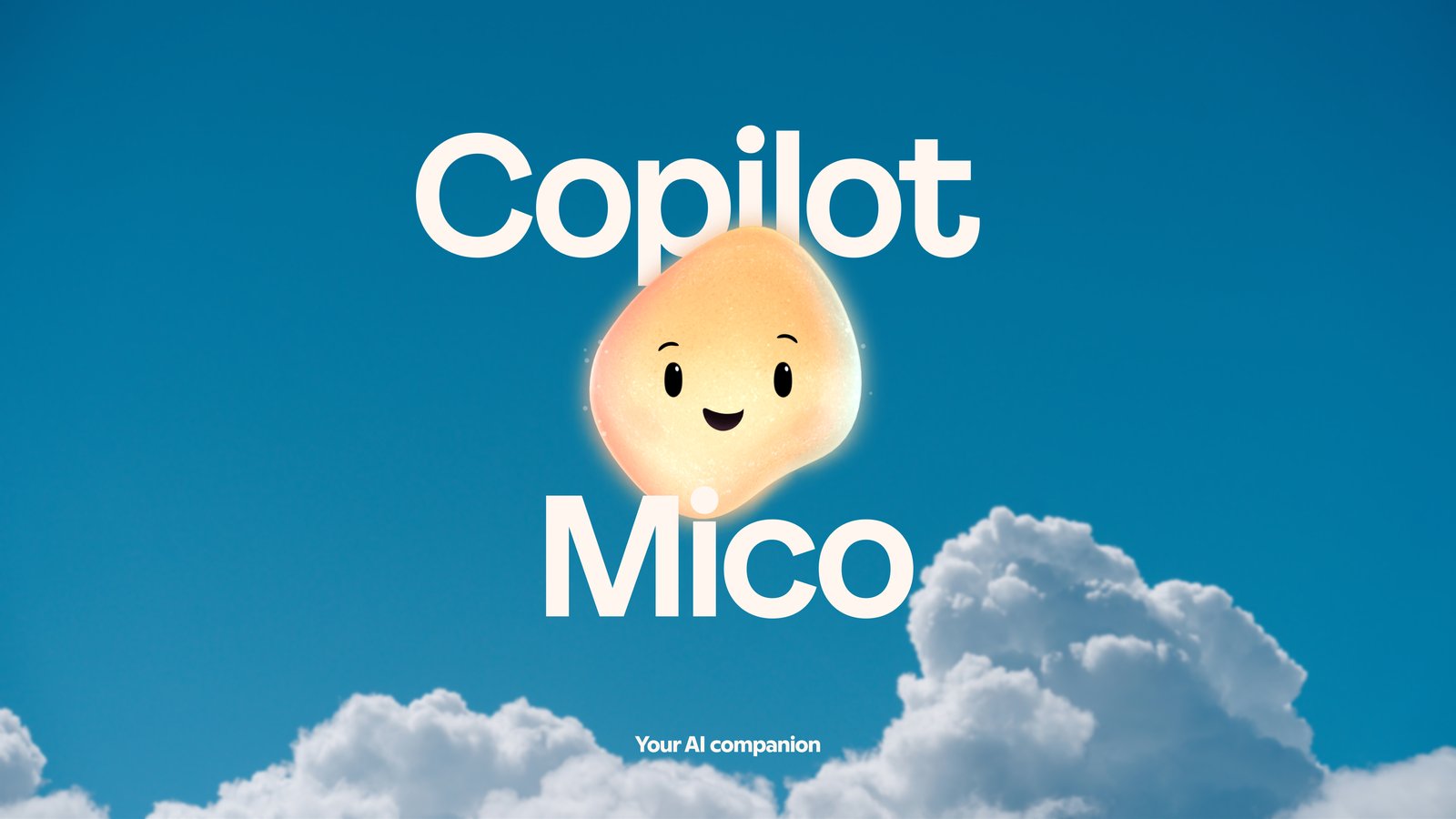
The training sessions have a new script. Microsoft is instructing its global sales teams to push the company’s own Copilot AI models over products from OpenAI, Google and Anthropic, according to a report from Business Insider and Benzinga this week. The shift turns Microsoft’s largest sales organization, tens of thousands of people who sell into nearly every large company in the world, into a direct weapon in the AI competition.
The logic was spelled out by chief executive Satya Nadella, who publicly criticized AI labs that ban “distillation,” the practice of using one model’s outputs to train another. Calling the bans a way of “paying for someone else’s intellectual property,” Nadella framed Microsoft’s push as a matter of ownership: the company that controls the models controls the margin, and Microsoft has decided it wants to stop renting intelligence from others.
The sales-force directive is part of a broader campaign. Microsoft has been repositioning Copilot, its family of AI products, from an add-on to a core platform, and it wants its salespeople to sell Copilot subscriptions, Copilot-embedded applications and the Azure cloud services that run them, all in one pitch. Until recently, that pitch often featured OpenAI’s models as the engine; now it is being rewritten to feature Microsoft’s own.
The awkward part is the relationship. Microsoft is OpenAI’s largest investor, having committed more than $13 billion over the past several years, and it has been OpenAI’s biggest customer, buying its models wholesale for everything from GitHub’s Copilot to Office features. That arrangement made Microsoft the rare company that both sells and buys from its biggest AI rival. The new sales directive does not end the investment or the purchase agreements, but it reframes Microsoft’s default recommendation.
The stakes are the enterprise AI market, a business analysts estimate will be worth hundreds of billions of dollars a year within a decade. OpenAI, Google and Anthropic are all selling directly to companies, and all three have signed large enterprise customers in the past year. Microsoft’s advantage has always been distribution: its sales force is already in the building, and its software is already on the desk. The directive uses that advantage to steer spending toward Microsoft’s own models.
The company is also turning its AI tools on its own products. The same week, Microsoft released a security update containing 570 patches, which the company said set a record for a single update, with some of the fixes discovered by its own AI systems. The update, part of the security overhaul under Hayete Gallot, was presented as proof that AI can find and fix vulnerabilities at a scale human teams cannot match.
Nadella’s distillation comments hit a raw nerve across the industry. OpenAI, Anthropic and Google have all restricted the use of their models to train competing systems, arguing that distillation lets rivals copy their capabilities cheaply. Nadella’s response, that such bans amount to protecting someone else’s intellectual property, reframes the debate in Microsoft’s favor: Microsoft is the customer, the platform and increasingly the competitor, and it does not want its access to models limited by the labs that supply them.
The tension has been building for months. Microsoft’s relationship with OpenAI has been described by people familiar with it as increasingly strained, as the startup sells directly to the same corporate customers Microsoft serves and as Microsoft develops models that compete with OpenAI’s. The two companies remain deeply intertwined, sharing revenue from OpenAI’s cloud usage on Azure, but their interests have diverged.
The sales directive will accelerate that divergence. Salespeople respond to incentives, and the new incentive structure, with quotas and compensation tied to Microsoft’s own AI products, will shift what gets sold. Customers will notice the change quickly: the same sales representative who recommended OpenAI’s models last year will now recommend Microsoft’s, with a different set of talking points.
Whether customers follow is another question. Copilot’s adoption has been slower than Microsoft hoped, and analysts have noted that many enterprises are buying multiple AI systems and evaluating them on results, not on the vendor’s ownership structure. A directive from Microsoft cannot stop a chief information officer from preferring a rival model, but it can shape the default, and defaults matter in enterprise sales.
The competitive response is already visible. OpenAI has been building its own enterprise sales team and its own distribution, and it signed a deal earlier this year to put its models into a major enterprise software platform, reducing its dependence on Microsoft’s channel. Google and Anthropic have been courting the same accounts. The market is big enough that no single vendor’s sales force will decide it, but Microsoft’s is the biggest one there is.
For Nadella, the calculation is straightforward. Microsoft’s long-term value depends on owning the AI stack, from models to applications, and the company’s position as a distributor of someone else’s models is a position of weakness, not strength. The sales directive, the distillation comments and the security push are all moves in the same direction: making Microsoft’s own AI the product its customers get.
The company that was OpenAI’s biggest ally is now, by its own actions, its most effective opponent. The two will keep doing business, because the contracts and the investments bind them, but the sales force has been told which side it is on, and in enterprise software, that is the message that matters.



