
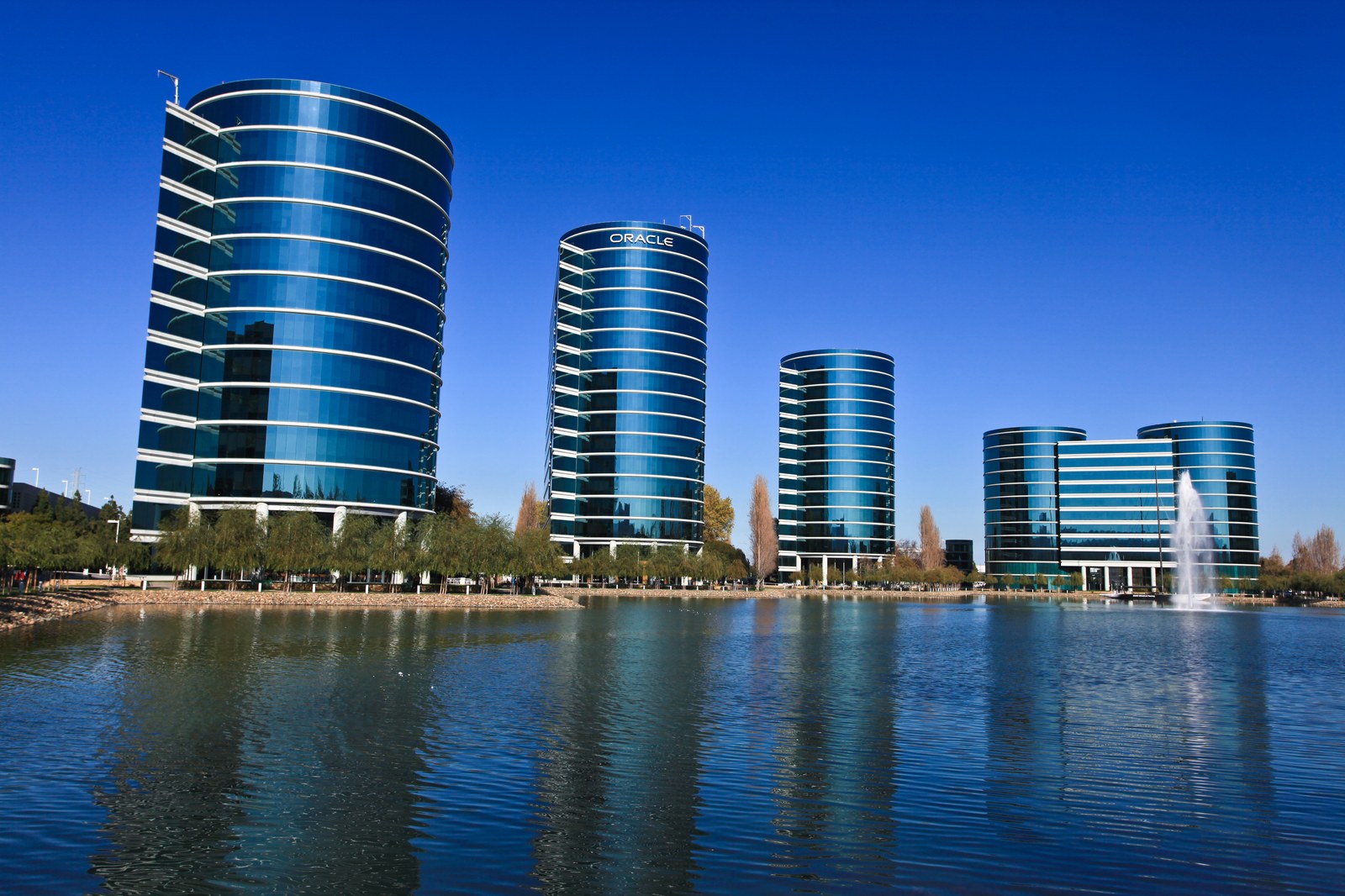
The number is now large enough that it is hard to ignore. Oracle, the cloud company that has transformed itself into a landlord for artificial-intelligence computing, has interest-bearing debt above $169 billion, by outside estimates, and it is shopping for more.
The company is in talks with Apollo, Goldman Sachs and other lenders about fresh financing for AI chip purchases, according to people familiar with the discussions. The round would add to a balance sheet that has grown steadily as Oracle booked enormous orders for AI computing and paid for the chips, buildings and power to serve them.
On October 8, Oracle’s shares fell with the broader AI trade after OpenAI disclosed that its annualized revenue was running about $20 billion below the figure investors had been using. Markets read the OpenAI number and Oracle’s borrowing together, a sign that investors now see the two companies as linked parts of the same machine.
Oracle sits at the center of that machine. It has signed large cloud contracts with AI developers and has committed tens of billions of dollars to build data centers, in large part by issuing debt. The company’s liabilities have climbed as its revenue and its chip orders have climbed, a formula that works while demand holds and becomes fragile if it does not.
The transformation has been fast. Oracle was for decades a database and enterprise-software company, steady and unglamorous, run for margin. Under Chairman Larry Ellison it pivoted hard toward selling raw computing to AI developers, signing deals with the likes of OpenAI and building out capacity so quickly that its remaining performance obligations — contracted work not yet delivered — have ballooned into a number investors now watch as closely as its earnings.
The borrowing is part of a broader shift. Wall Street reported the same day that several AI infrastructure companies are pushing forward with multibillion-dollar chip-financing deals, as the industry’s funding moves from equity toward the debt markets. The lenders who once hesitated to finance speculative data-center bets are now competing to do so.
The attractions are real. AI companies have signed contracts with creditworthy customers, and the loans are often secured against chips and servers that retain value. For lenders, financing AI infrastructure has become one of the few places to deploy capital at yields that beat a crowded bond market, where benchmark Treasury yields have climbed and spreads have widened.
The risk is concentration. A large share of the industry’s debt now rests on the assumption that spending on AI computing keeps rising. Oracle, along with a handful of peers, has effectively borrowed against a single forecast: that the companies renting its chips will keep renting more of them.
Oracle has reasons to borrow rather than raise equity. Its shares have ridden the AI rally, and issuing stock would dilute investors at a moment when the company’s growth story is strongest. Debt lets the company keep its equity story intact while paying for hardware that generates revenue quickly.
The question analysts are beginning to ask is how much is enough. Oracle’s debt has grown faster than its cash flow in some quarters, and the company’s credit profile has become a regular topic of debate. The company has argued that its contracts are long-dated and that its debt is matched against assets that generate income.
The borrowing also feeds a debate about who will own the AI build-out when the cycle turns. Data centers are expensive, long-lived assets, and the companies building them are increasingly using debt to pay for them, the way utilities and landlords always have. The comparison cuts both ways. A utility has regulated, predictable cash flows; an AI data center’s cash flows depend on customers who can cancel or reprice. Oracle’s supporters point to its contracted backlog and its relationships with OpenAI and others as evidence that the revenue is sticky. Skeptics note that the same backlog is built on customers who are themselves burning cash and borrowing heavily, which means the entire structure leans on a shared assumption that AI demand keeps growing. The $169 billion figure is the price of that assumption. Oracle’s chief executive, Safra Catz, has defended the spending as disciplined and tied to customer commitments, but the company’s debt has become the number investors reach for when they want to measure how much of the AI boom is riding on borrowed money.
For now, the market is treating Oracle as a growth company that happens to carry a lot of debt, rather than a debtor whose growth could stall. That distinction is what the $169 billion figure tests. If the AI boom keeps running, the debt is a cheap way to buy the boom. If it slows, the same number becomes the measure of how much was bet.



