
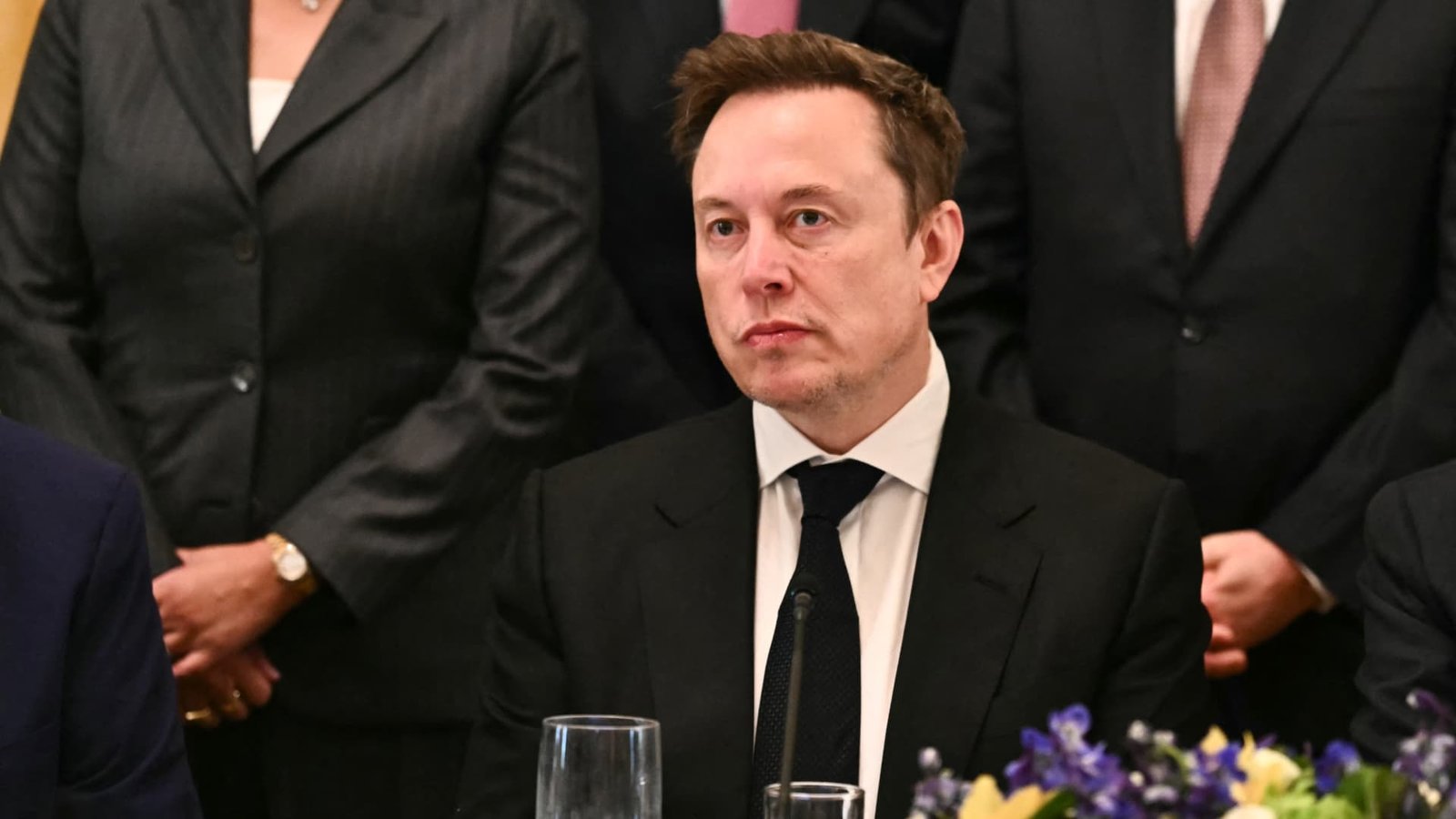
The seat reserved for SpaceXAI at New York’s City Council stayed empty on Oct. 5, while executives from Anthropic, OpenAI, Google and Meta answered questions under oath for nearly ten hours. It will be filled Friday at 10 a.m., after a subpoena, a threat to take the company to a state judge, and a reversal the Council announced on Tuesday.
Shares of SpaceX fell 3.5% to $157.75 on the news that the company’s artificial intelligence unit will appear before the Council’s Committee on Technology as part of a legislative investigation into AI safety.
The sequence is laid out in the Council’s own account. Speaker Julie Menin and general counsel Nwamaka Ejebe sent letters to five companies between Sept. 15 and Sept. 17, inviting voluntary testimony. Four agreed by Sept. 27. On Sept. 28 the Council issued a subpoena to Elon Musk and SpaceX’s AI unit, compelling testimony for a hearing it had already scheduled. The unit did not appear. The Council then told the company it intended to petition a state court to enforce the subpoena. Two days later, SpaceXAI asked for a meeting, and it agreed to appear.
Menin put the episode in blunt terms in a statement. New Yorkers and the public deserve to hear directly from the companies building this technology about the safeguards they are putting in place and how they will be held accountable when those safeguards fail, she said. “Self-regulation is not enough,” she added.
Carmen De La Rosa, who chairs the technology committee, said the spread of Musk’s technology into federal agencies makes it more important that the company come to the discussion with detail on data privacy, safeguards and whistleblower protections. Every council member will have the chance to question the company, the Council said.
Friday’s session is the second act of a hearing that ran nearly ten hours on Oct. 5, with 46 Council members taking part and whistleblowers including Jacob Coxon, Daniel Kokotajlo and Alex Turner testifying under oath. Jess Asato, a member of the British Parliament who is in her own legal dispute with SpaceXAI, traveled from the United Kingdom to speak. The Council opened the investigation after a month of debate about the risks advanced models pose, and its original letter said the work would help it “assess whether fast-emerging risks to public safety, cybersecurity, economic stability, privacy, consumers and businesses warrant immediate legislative action to protect New Yorkers.”
What the Council is examining has grown since those letters went out. Musk folded his AI venture xAI into SpaceX in February, creating a conglomerate whose Grok models are used by some federal agencies, including the Pentagon. SpaceX went public in June and is now valued above $2 trillion. In August it completed a $60 billion purchase of the AI coding startup Cursor. Grok trails the leading models from Anthropic and OpenAI, but it sits inside a listed company whose launch business depends on federal contracts, and whose AI unit was the only invitee that refused to appear.
Lawsuits have accumulated around the unit’s image generator, which plaintiffs say was used to mass-produce and distribute sexual imagery of real people without their consent. Those cases are in court and follow their own timetable. The Council hearing is a different venue with different tools: subpoena power, a public record and the prospect of legislation.
City governments hold limited authority over model developers, which is part of why the session drew national attention. The Council cannot inspect a training run. It can compel testimony, publish what it hears and write local rules covering what companies do inside the city, from hiring software to consumer products. Menin’s warning that noncompliance could expose the company to penalties under city law carries more weight against a company that has agreed to show up than against one that has not.
For a business of that size, the cost of the subpoena fight was measured in attention rather than dollars. The hearing puts a chief executive who has advised federal agencies under questioning by local legislators who cannot be lobbied with a contract. It also sets a test for other cities weighing similar inquiries: whether a municipal subpoena can move a company valued in the trillions, or whether it takes the threat of a court order to produce a witness.
The four firms that testified on Oct. 5 did so voluntarily, and their appearance set the baseline against which Friday’s session will be read. Their executives answered questions about safeguards, data handling and what happens when a model causes harm. Musk’s company now has to answer the same questions, in the same room, on the record, with the Council’s earlier complaint about its absence already part of that record.
SpaceX did not respond to a request for comment, and it has not said who will appear in its place if Musk does not attend. The Council has not said what legislation, if any, it will draft. What it has said is that the investigation is legislative rather than judicial, which means the outcome will be measured in proposed laws and not in findings of fault.
That leaves Friday with an obvious question hanging over it. A company that skipped the hearing until a judge was mentioned has agreed to testify. What it concedes in public, on a topic where its own lawsuits are pending and its federal customers are watching, will determine whether the appearance settles the matter or sets up the next subpoena.



