The claims were worth about 340 million pounds, they had been assembled for the better part of a decade, and they ended on Monday morning in a written ruling that never reached the question of whether they were true. A High Court judge dismissed two linked lawsuits against Uber on the ground that the claimants had waited too long to file them.
Judge Simon Birt held that the drivers could have discovered the alleged deception before 2018, six years before the claims were issued in 2024, and that the six-year limitation period had therefore expired. He dismissed the claims without considering their merits. The ruling is a finding about the clock, not about the conduct.
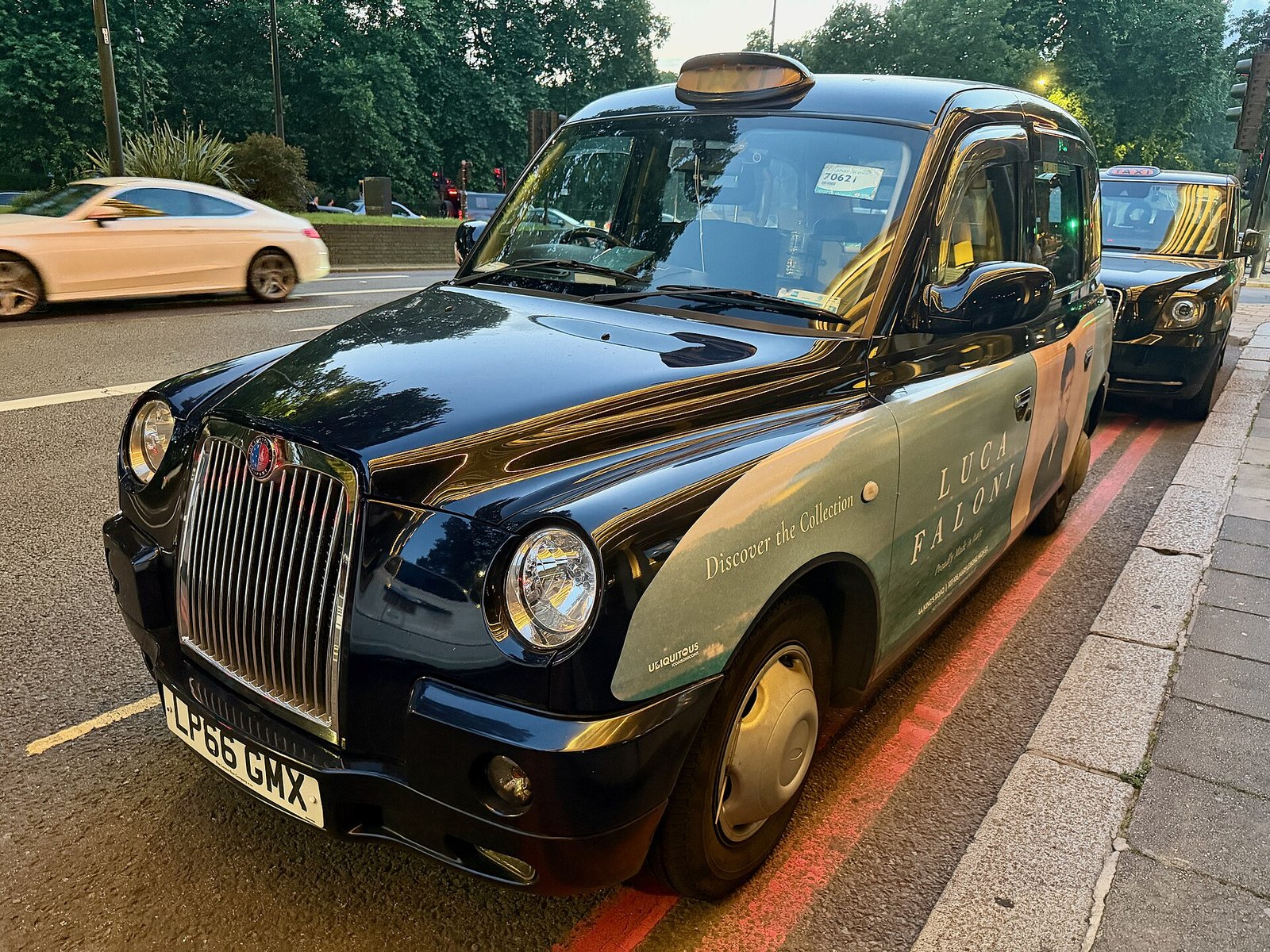
What was alleged is that Uber gave “misleading and inaccurate information” to Transport for London when it was first licensed as a private hire operator in 2012, and that the consequences ran from May of that year to March 2018. About 13,000 London black cab drivers sought nearly 200 million pounds. A separate claimant, acting for two defunct private hire companies, Kabbee and Iride, sought around 140 million pounds. Together the two claims came to roughly 340 million pounds, or about $453 million.
The judgment turns on what the drivers knew and when. Three cabbies had filed their own claims against Uber in September 2017. A litigation funder, Harbour, approached the law firm Mishcon de Reya about a larger action that December. By February 2018 the Licensed Taxi Drivers’ Association was telling its members that a group claim was being prepared.
To the court, that sequence fixed the date at which a reasonably diligent claimant could have started looking, and the clock ran from there. The claims arrived six years and some months later.
Uber did not conceal its satisfaction. “We are pleased that the court has dismissed all of these claims entirely at the earliest opportunity and the ruling today has put these legacy matters firmly in the past,” a spokesperson said. RGL Management, which managed the action for the drivers, said it was “obviously very disappointed” and was considering its options with counsel. Neither response addresses the substance, because the substance was never tested.
That distinction will matter to anyone who reads the ruling as a verdict on how Uber entered the London market. Uber has denied the allegations throughout, and a dismissal on limitation grounds leaves the denial untested in the same way it leaves the accusation untested. The practical effect is the same as a win: no damages, no admission, no discovery of the internal correspondence that a trial would have produced. The reputational effect is smaller than a judgment on the merits in either direction.
The case is one part of a longer argument about the company’s London licence. Transport for London revoked Uber’s licence in 2017, citing concerns about how it reported serious criminal offences and how it screened drivers. A magistrate restored it in 2018 with a 15-month probation. In 2022 the regulator granted a full five-year licence after the company had rebuilt its processes. The claim dismissed this week was an attempt to attack that history through the courts rather than through the regulator, on the theory that the licence itself had been obtained on false premises.
Group litigation of this kind rarely fails on facts. It fails on funding, on deadlines and on the willingness of thousands of individuals to stay attached to a case that takes years. Harbour put money behind the drivers because the potential award justified the risk, and the risk that materialized was procedural rather than evidentiary. Every funder prices the limitation question before it prices the merits, and in this instance the answer was sitting in a trade association newsletter from 2018.
For Uber, the ruling clears a claim that had been outstanding for two years and that the claimants valued at more than 300 million pounds. It does not remove the underlying exposure to the way the company is regulated in its largest European market. The company is still contesting a tax dispute with British authorities that is reported to exceed 1 billion pounds, a case about whether its model of paying drivers as self-employed contractors was structured correctly for value-added tax purposes. That one concerns money that has already moved, not money that might have.
The timing of the dismissal is convenient for a company that has been redirecting capital toward autonomous vehicles. Uber has spent the past two years signing partnerships with robotaxi developers and arguing that its dispatch network, rather than a fleet of its own, is the asset that will matter when drivers are no longer behind the wheel. Legal overhangs are expensive in that story, because the argument depends on the platform being a neutral marketplace rather than a defendant.
Black cab drivers have lost in court before and have won in other forums. Their campaign against the app has run through the regulator, the courts, the press and the boroughs that set taxi policy, and a ruling on limitation does not settle the grievance that started it. The Licensed Taxi Drivers’ Association has argued for years that the conditions of entry were unequal, and the fact that a court declined to hear the argument on its merits will not read to its members as an answer.
The wider lesson is about how old conduct gets litigated. A wrong that is discoverable in 2018 has to be pleaded by 2024, and a claimant group that spends those six years organizing, fundraising and choosing a law firm spends the only asset the law gives it. Uber’s lawyers identified that and built the defense around it. The rest of the file, including what the company told the regulator in 2012, stays where it was.