Blackstone told investors on October 19 that its fifth energy transition fund had closed at 8.7 billion dollars, hitting its hard cap and finishing more than 50 percent above the 5.6 billion dollar predecessor it wrapped in February 2025. About a third of the capital came from investors new to the strategy, according to the company.
The timing is the argument. Fundraising for anything with the word transition in its name has been slow for two years, as limited partners marked down positions bought near the top of the renewable cycle and waited to see whether power prices would hold. Blackstone went out with a track record and a thesis about electricity demand, and came back with a fund larger than the one it raised when money was cheap.
David Foley, who runs the strategy, has made the case that disorderly markets misprice assets and that the mispricing is the opportunity. He described the moment in the firm’s announcement as “a generational opportunity for experienced investors in the energy transition,” and the phrase is doing specific work: it tells pension funds and sovereign wealth accounts that the returns will come from buying assets other people cannot underwrite, not from buying the assets everyone bid up.
The fund has already committed about a quarter of its capital across six transactions. Three are platform companies: Kindle Energy, Fisterra and Viridon, each built around management teams developing generation or transmission. Three are acquisitions of equipment and service businesses: Flow Control Holdings, which makes flow control components for liquid cooling in data centers; Dresser Utility Solutions, which supplies meters, regulators and repair parts to gas and water utilities; and DarkVision, which inspects pipelines and wells with acoustic imaging.
That mix is the strategy in miniature. Blackstone is not buying solar farms at yields set by an auction. It is buying the industrial layer underneath the buildout, where a manufacturer sells equipment into a market with a queue and then collects service revenue for a decade.
The record it is selling rests on the third fund, which posted a 33 percent net internal rate of return through June 30, according to the company. The clearest data point inside that number is Aypa Power, a storage developer sold to Brookfield that is expected to return more than 2 billion dollars, a multiple above six times the equity invested. One exit of that size does a great deal of work in a pitch deck.
The demand side has changed since the earlier funds were raised. Electricity load in the United States is growing for the first time in twenty years, driven by data centers, and the queue to connect new supply to the grid is measured in years rather than months. Order books at the largest gas turbine manufacturers are committed well into the late 2020s. A fund that owns the components inside those projects, or the developers who hold the interconnection rights, is holding something scarce.
The constraint has moved from capital to permits, and that is where the risk sits. A transmission line needs a state commission, a generation project needs an air permit and a water source, and a data center campus needs a utility willing to commit capacity. No amount of equity shortens those processes, and a fund with a ten-year life can lose three years to a single contested filing.
That is a familiar problem for infrastructure investors and a newer one for a firm whose reputation was built on buying under-managed industrial companies and fixing them. The portfolio companies hire their own permitting staff now, and the cost of that function is part of the investment case.
There is also a valuation question the firm does not address in a press release. Equipment manufacturers with long-term service contracts trade at infrastructure multiples now, because infrastructure funds and insurers have spent five years buying them. Blackstone is competing for those assets against buyers with a lower cost of capital. The returns in the third fund came from assets bought before that repricing.
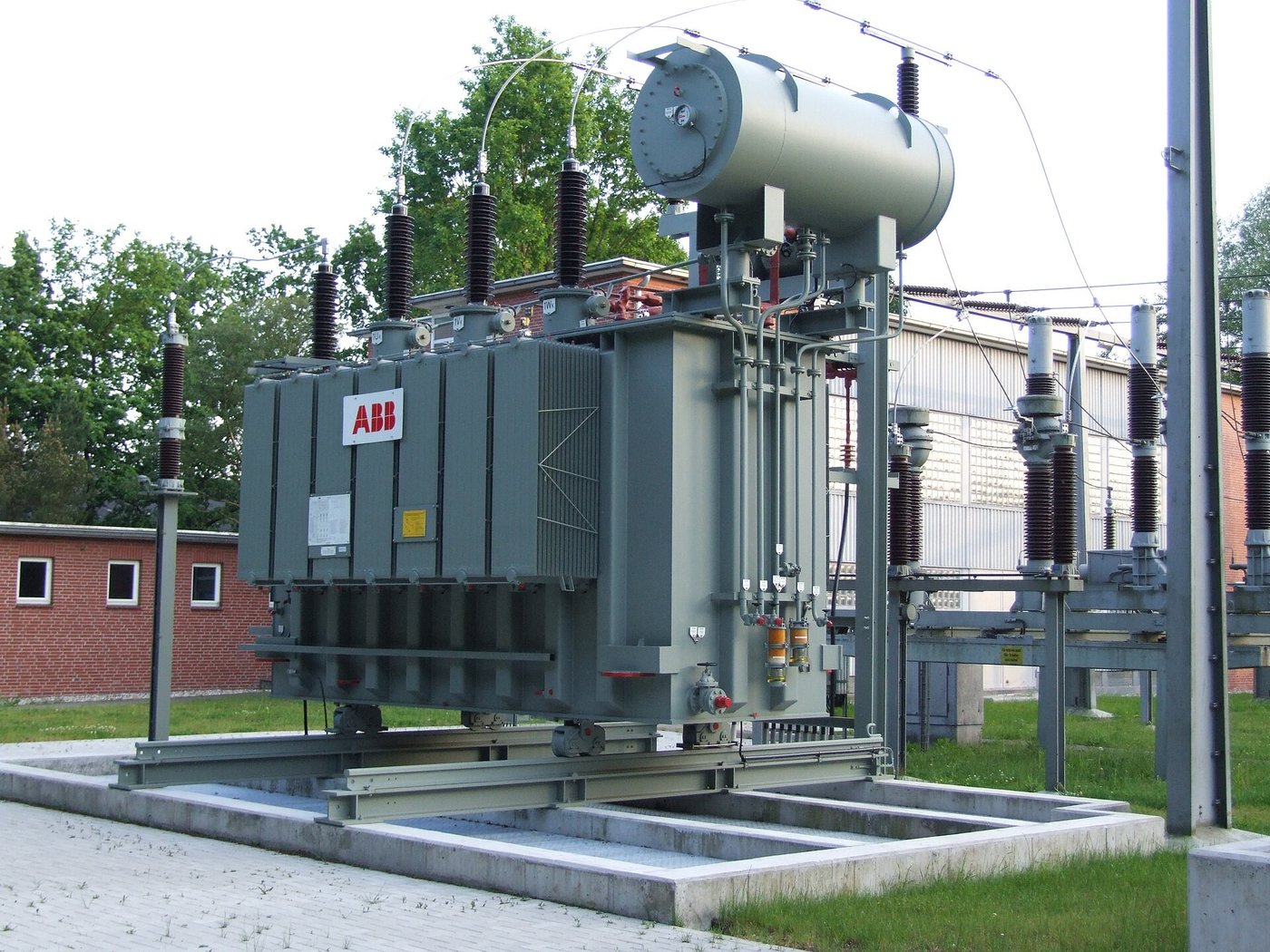
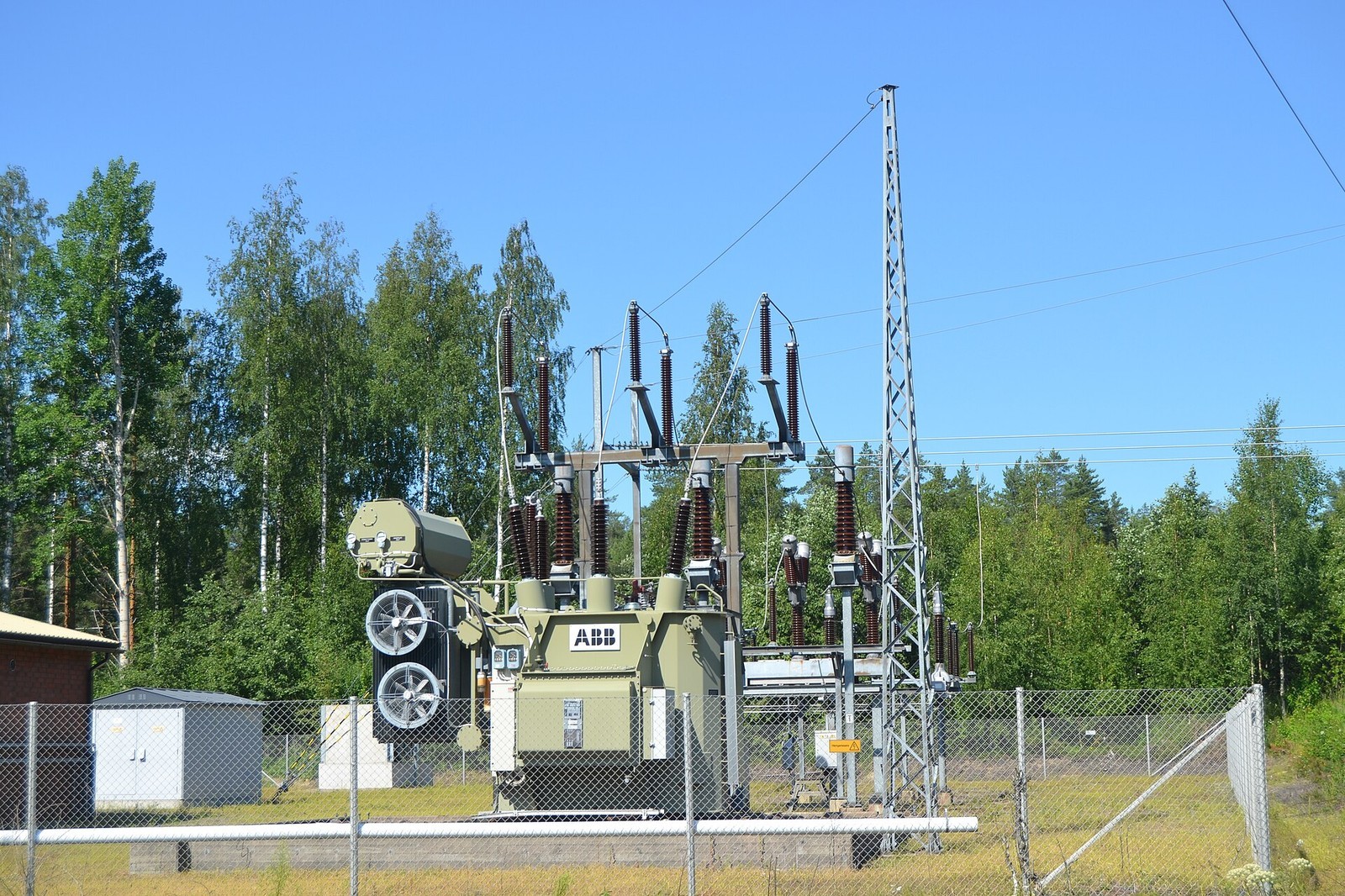
Foley has said the next area of focus is the grid itself: manufacturers with patented equipment, whose revenue includes not just new projects but maintenance contracts that run for the life of the asset. It is the least cyclical part of the transition and the part most exposed to interest rates, since the buyers of those businesses are the same institutions now paying up for yield.
The limited partners who committed to the fifth fund are making a bet that has little to do with climate policy. They are betting that the United States will keep consuming more electricity, that the equipment to deliver it will stay in short supply, and that a firm with 8.7 billion dollars and a fourteen-year record can buy the bottlenecks before someone else does.
The fund’s first test arrives with the next close of a platform company, not with a press release. The second arrives when one of these businesses is sold, and the price tells the market whether the industrial layer of the energy transition was mispriced or merely early.