SAN JOSE, Calif. — Sonal Mehta spent her first minutes describing what Claude does with a song lyric, which is to learn from it rather than to reproduce it. Matt Oppenheim spent his first minutes on a number: nearly 120,000 requests, in six months, for Claude to write new lyrics from scratch.
Those two framings were the case. Judge Eumi Lee of the Northern District of California heard them at a hearing on October 21 and did not rule, but she pressed both sides on the fair use question that decides it.
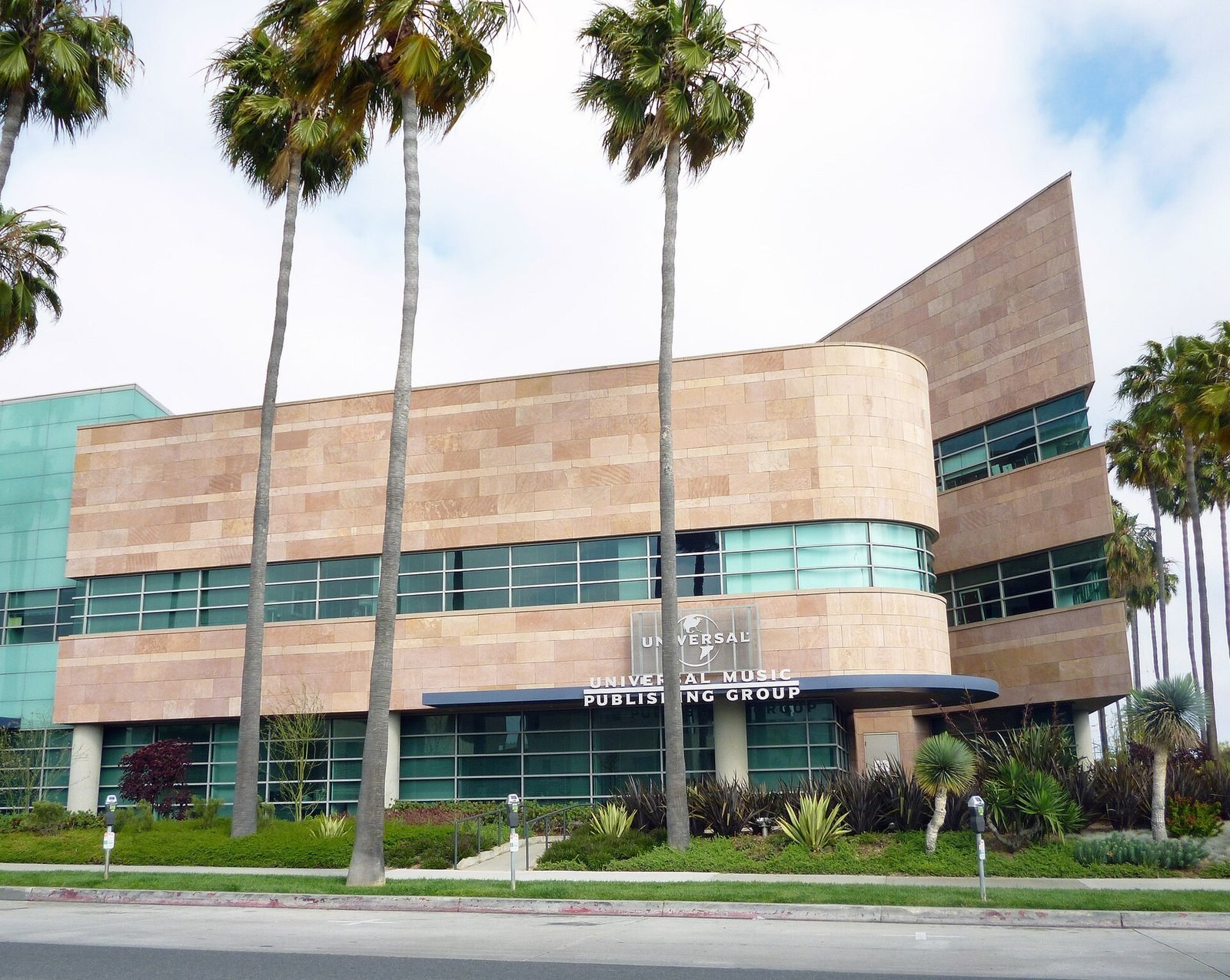
Anthropic wants the court to find that training Claude on millions of lyrics is protected under copyright law. The publishers want a trial. Their suit, brought by Universal Music Group, Concord and ABKCO, is one of a group of cases that will set the rules for how AI companies use text, images and sound they did not license.
Mehta, of WilmerHale, argued that training produces transformative new material and therefore falls inside the doctrine. Oppenheim, of Oppenheim and Zebrak, argued that the output competes with the input. The 120,000 figure was his evidence that Claude is not merely learning style but manufacturing the product the publishers sell.
Large language models, he said, “could overwhelm the market with AI-generated content very easily.”
Mehta answered that demand for lyrics has not fallen, and that the publishers have not identified a single specific instance of market harm traceable to Claude. She also noted that Universal Music Group itself has described AI as “overwhelmingly a net positive” for the music business, a characterization the publisher now has to explain.
Lee questioned the publishers’ premise that a machine able to write verse threatens the market for verse. Her skepticism is not a ruling, but it narrows what the plaintiffs will have to prove if the case reaches a jury.
One day earlier, the same judge refused Anthropic’s motion to throw out parts of the claims, finding the publishers’ arguments had substance. That decision matters more than it reads. It means the case cannot be ended on the pleadings, and it leaves the fair use defense to be settled on evidence rather than on legal theory.
The doctrine is unsettled in exactly the way that makes this case expensive. Two judges in the same district have already split on whether training generative models on copyrighted work is fair use. The most cited ruling came from Judge William Alsup in 2025, who sided with Anthropic on its use of lawfully purchased books while leaving open the question of the pirated copies the company had also acquired.
That question ended in money rather than precedent. Anthropic agreed to pay $1.5 billion to a class of authors, roughly $3,000 per book, and a federal judge in San Francisco approved the settlement in July. The company did not admit that training on lawful copies infringes, and the payment resolved the piracy claim without a ruling on the doctrine.
Lyrics are a harder subject than books for the defense, for a reason that has nothing to do with sentiment. A song lyric is short, complete and separately licensed. A model that can produce a competent new verse in a named artist’s style is competing for the same licensing dollar that a publisher collects when a brand wants a jingle or a film wants a theme. Training on novels does not obviously displace a novel; training on lyrics plausibly displaces a lyric.
Whether that counts as market harm under the fourth fair use factor is the whole argument. The publishers do not need to show that Claude copies. They need to show that the market for licensing lyrics is smaller because Claude exists. Anthropic’s answer, that no license has been demonstrably lost, sets a high bar for proof that plaintiffs in every AI copyright case will now have to clear.
The fair use decision will travel. Authors, newspapers, photographers and record companies have filed similar suits against OpenAI, Meta and Anthropic, and most of them are waiting to see how this one is framed. A ruling that training is transformative would settle a great deal without a trial. A ruling that it is not would push the industry toward licensing deals priced under threat of injunction.
A further oral argument is scheduled for November 4, on the remaining claims. Lee has given no date for a decision on fair use, and the parties have not said whether they would appeal an adverse ruling before trial, which would add a year to a case already three years old.
For Anthropic, the exposure is not mainly financial. A settlement in the range of the authors’ deal, applied to a catalog of songs, would be affordable for a company that has told investors its annualized revenue reached $65 billion. The problem is the precedent. A ruling that lyrics training is not fair use would reach every model the company trains, and every model it plans to train, which is a constraint no check can remove.
Outside the courtroom, the practical effect of the October 21 hearing was small. No evidence was taken, no witnesses appeared, and no schedule changed. Inside it, the shape of the case became clear. One side is arguing about transformation, the other about substitution, and the judge has signaled that she wants the second argument proved rather than asserted.