On July 22, a user in France typing a question into Google began receiving an answer written for them, placed above the familiar list of blue links. The feature, AI Overviews, arrived alongside AI Mode, a conversational surface that breaks one query into several searches and returns a single synthesized reply.
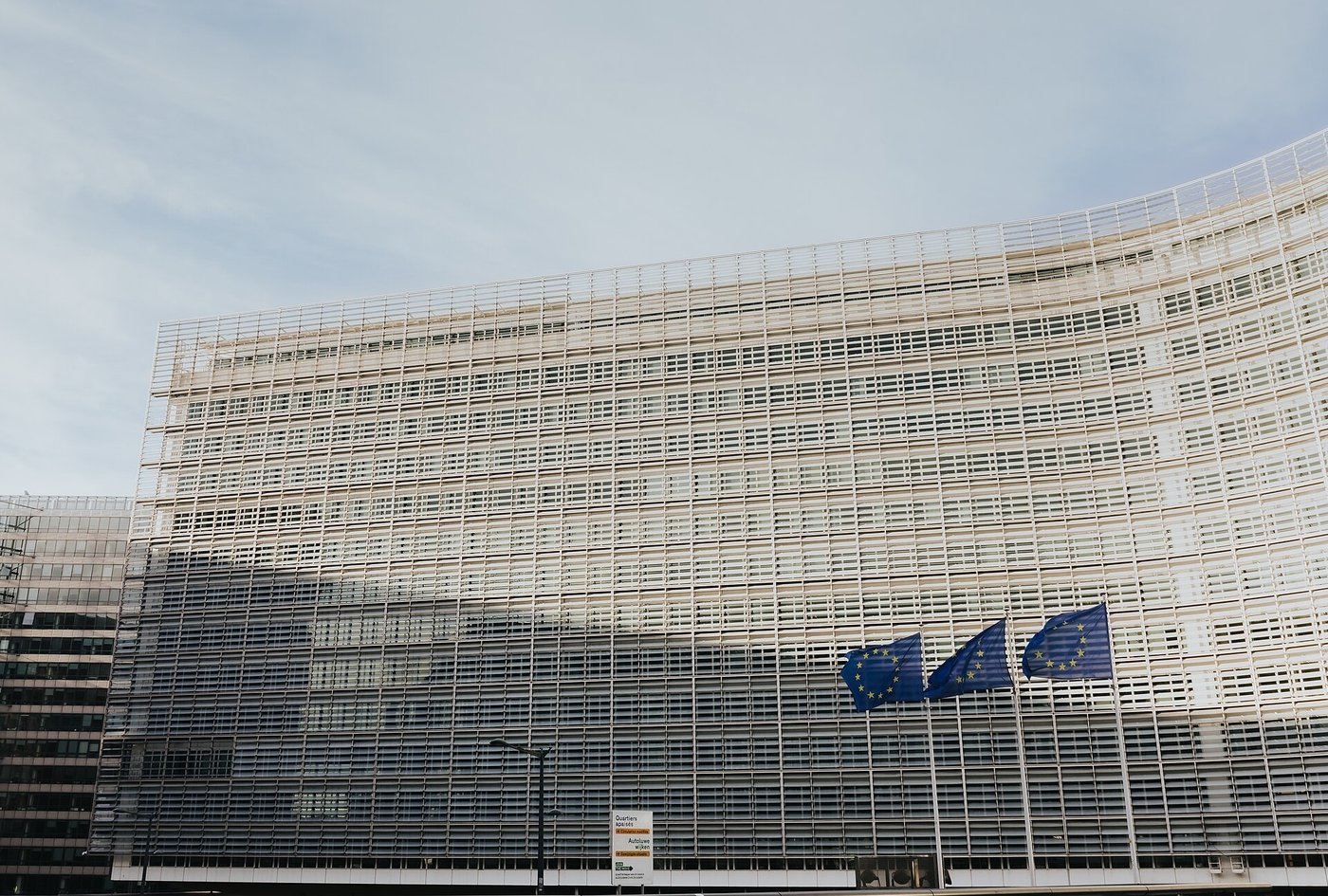
Fourteen weeks later, five organizations representing French publishers carried a dossier about that change to Brussels.
The groups, which between them cover magazine publishers, trade titles, independent online news sites, online content businesses and digital marketing firms, said they filed a complaint with the European Commission over Google’s deployment of both features. Their joint statement is dated October 29 in Paris and was posted publicly by one of the signatories, GESTE, the following day. The signatories are the CPA, the FNPS, GESTE, the SEPM and the SPIIL.
The grievance fits in a sentence, translated from the French: publishers depend heavily on Google’s search engine to reach their audiences, even though their content is used to feed features likely to substitute for visits to their own sites, without transparency or effective control being given to them.
The statement lists four concerns, covering visibility, inbound traffic, business models and the absence of what the groups call effective control over the use of their material. A web version of the same text adds a sharper charge, that the deployment was “implemented unilaterally, without any consultation whatsoever.” That phrasing does not appear in the version distributed as a document.
What the complaint does not contain is as telling as what it does. There is no estimate of lost traffic, no list of affected outlets, no case reference and no specific remedy. The organizations describe their submission as documentary evidence and an analysis of practices observed since launch, assembled for a regulator that is already looking.
That regulator has an open file. The Commission opened an antitrust investigation in December 2025 into whether Google used publishers’ content to train and supply AI services without paying for it. Fines in such cases can reach 10% of a company’s global annual revenue, a ceiling that for Alphabet would run to tens of billions of dollars. The French complaint is designed to feed that inquiry rather than start a parallel one.
France is not a neutral venue for the argument. In March 2024, the country’s competition authority fined Google 250 million euros for failing to honor commitments it made in a dispute over neighboring rights, the European rule that requires payment when press content is reproduced online. The commitments included obligations to negotiate in good faith with publishers and to provide information needed to set a price. The SEPM, one of the five groups in the current complaint, said the day after the July launch that the AI features had arrived without consultation, prior information or negotiation, and characterized that as a breach of the same commitments.
The legal architecture behind those commitments dates to a 2019 European directive that created a right for press publishers over the online use of their work. France transposed it into law and became the test case for how the right works in practice, with a collecting society, DVP, negotiating on behalf of a broad group of titles. Australia and Canada have built separate systems that lean on bargaining codes and mandatory payments. None of those systems anticipated a search result that answers the question instead of pointing to who answered it first.
The economics that make the complaint urgent are visible in public numbers. Referral traffic from search has been the load-bearing wall of free news on the open web for two decades, and the summaries now sit above the links that used to generate it. Reddit’s chief executive told CNBC on Thursday that referrals from Google fell meaningfully in the third quarter, the same period in which AI Overviews expanded. Reddit’s shares fell 29% the next day. A site with a subscription business can absorb part of that loss. A site selling display advertising against pageviews cannot.
Google has argued that its AI features include links to sources and that the company sends substantial traffic to publishers. The Commission’s question is narrower and harder: whether the terms on which that content is used were agreed or imposed.
The procedural path from here is slow. A complaint from outside parties does not oblige the Commission to act, and the authority can take years to reach a statement of objections. It can also seek interim measures, which in a market where traffic moves within weeks would matter more than any eventual fine. The publishers did not ask for them in the statement.
For French editors, the calculation is blunt. They are negotiating over compensation for the use of their archives while watching the mechanism that delivered readers to those archives being rebuilt around a product that answers directly. The complaint puts a number on neither. It puts the question in front of the one body in Europe that can compel an answer.