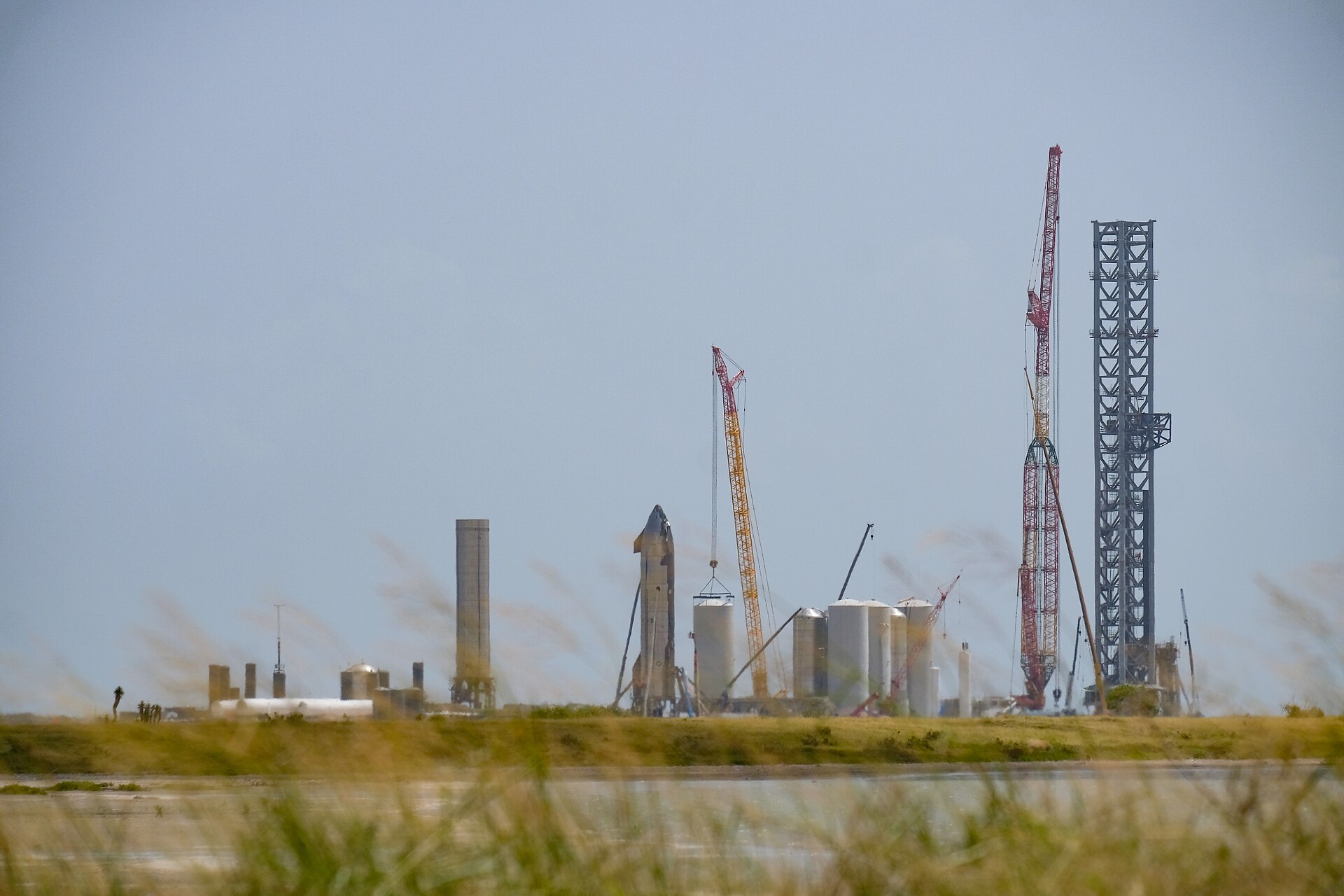
The item surfaced on Starbase’s public hearing notice with little ceremony: a gas-fired power plant, a supercomputing facility, and roughly $24 billion in estimated capital investment for the project’s early phase, on the stretch of Gulf Coast flatland where SpaceX assembles Starship.
Reuters reported the filing on Nov. 9, citing the notice. The same paperwork shows the company has applied for property tax relief, and the Starbase city council is scheduled to take up the abatement and a related economic development agreement on Dec. 9.
The notice describes the figure as expected capital spending for an initial stage. It also leaves room for the work to be built in phases and expanded afterward, which is how large industrial campuses in Texas tend to arrive: one foundation pour at a time, with the load growing faster than the paperwork predicts.
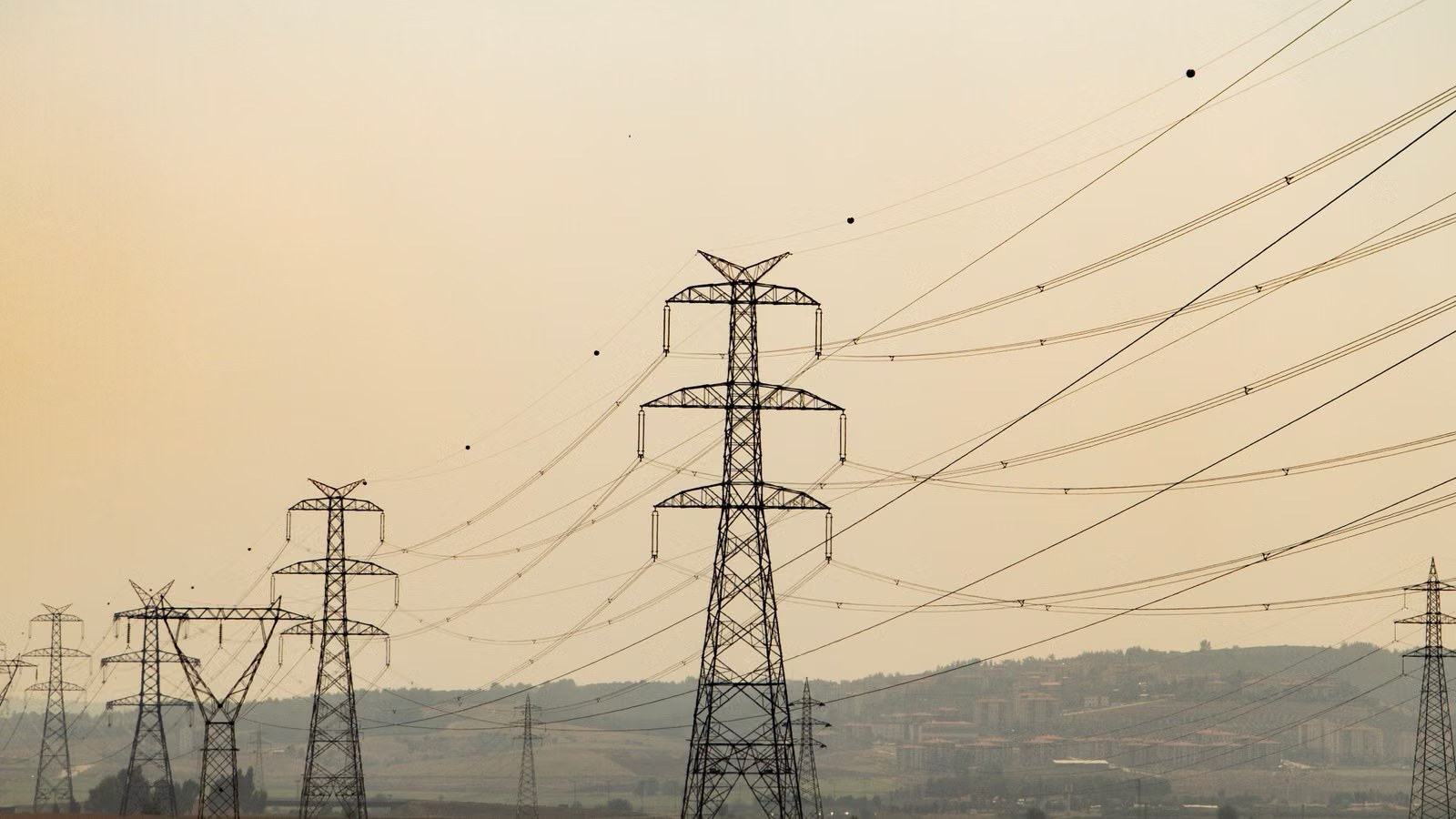
The reason a rocket company would buy power generation is the same reason a cloud company would. Connecting a load of that size to the grid in Texas means joining an interconnection queue that can run years, and the queue does not care how quickly a model needs training or how quickly a factory needs to weld. Building generation behind the fence skips that line.
SpaceX is not alone in making that calculation. Across the country, developers of data centers have signed deals for on-site gas turbines, fuel cells and, in several cases, nuclear capacity from plants that have not yet been built. The constraint has shifted from chips to electricity, and the companies with the largest appetite for compute have started behaving like utilities.
Texas offers a particular set of advantages for that strategy. Its grid is famously isolated from the rest of the country, which limits imports but also limits the reach of federal reliability rules, and its regulators have generally been permissive toward new generation. The state has absorbed a surge of industrial load from data centers, crypto mining and liquefied natural gas terminals over the past several years, and its grid operator has warned repeatedly that the pace of new demand is outpacing new supply.
A gas plant solves the timing problem and creates a different one. Turbine manufacturing slots are scarce, permits draw local opposition, and emissions from a large plant on the coast will be noticed. A company that has spent a decade arguing its rockets are cleaner than the alternatives is now proposing to burn fossil fuel at industrial scale next to its launch site.
The supporting infrastructure is already moving. Lone Star Mineral Development, an affiliated entity, has applied to build an eight-mile natural gas pipeline called Starpipe, with service planned for January 2027. A dedicated line of that length is the kind of detail that suggests the power plan is not conceptual.
What the electricity is for remains the open question. Starbase is where Starship is fabricated, tested and launched, and launch operations are power-hungry in their own right. A supercomputing facility on the same site would point at something else: training and simulation workloads that SpaceX has so far run elsewhere, or rented from cloud providers at retail prices.
The company has reasons to want its own capacity. Starlink is a network with tens of thousands of satellites in orbit, each generating telemetry, and the constellation’s traffic is routed through ground stations that depend on steady power. Internal design work on engines, reentry heating and flight dynamics is simulation-heavy. SpaceX has also invested in machine learning for satellite maneuvering and for the autonomy that Starship’s landing sequence requires.
Tax treatment is the other half of the filing. Property tax abatements are routine in Texas, where local governments compete for large employers by discounting the appraised value of new industrial property for a set number of years. Starbase is an unusual case, because the city was incorporated by a vote of residents who are largely company employees, and the council that will weigh the abatement on Dec. 9 sits in a jurisdiction shaped by the company that would benefit.
That arrangement has drawn scrutiny from outside the county. Critics of the incorporation vote argued that a company town with a company council is not a neutral arbiter of a company’s tax bill. Supporters said the residents wanted local control over services and permitting, and that the alternative was dependence on Cameron County.
For the region, the arithmetic is less ambiguous. A project of this size would bring construction payroll, pipeline work and a permanent operating staff, along with demand on water, roads and emergency services that the city would have to fund. The abatement determines how much of that cost the company pays directly and how much arrives through other channels.
There is also the question of who else gets to use the plant. Industrial power projects built for a single customer sometimes grow into merchant generation, selling surplus into the wholesale market. A 2027 pipeline in-service date and a phased plant suggest a schedule that could accommodate either outcome, and the filing does not say which one SpaceX intends.
For now the record consists of a hearing notice, a tax application and a date on the calendar. The council meeting will produce a vote, and the vote will produce a number. What it will not settle is whether the largest rocket company in the world has decided that energy, rather than launch cadence, is the binding constraint on its next decade.