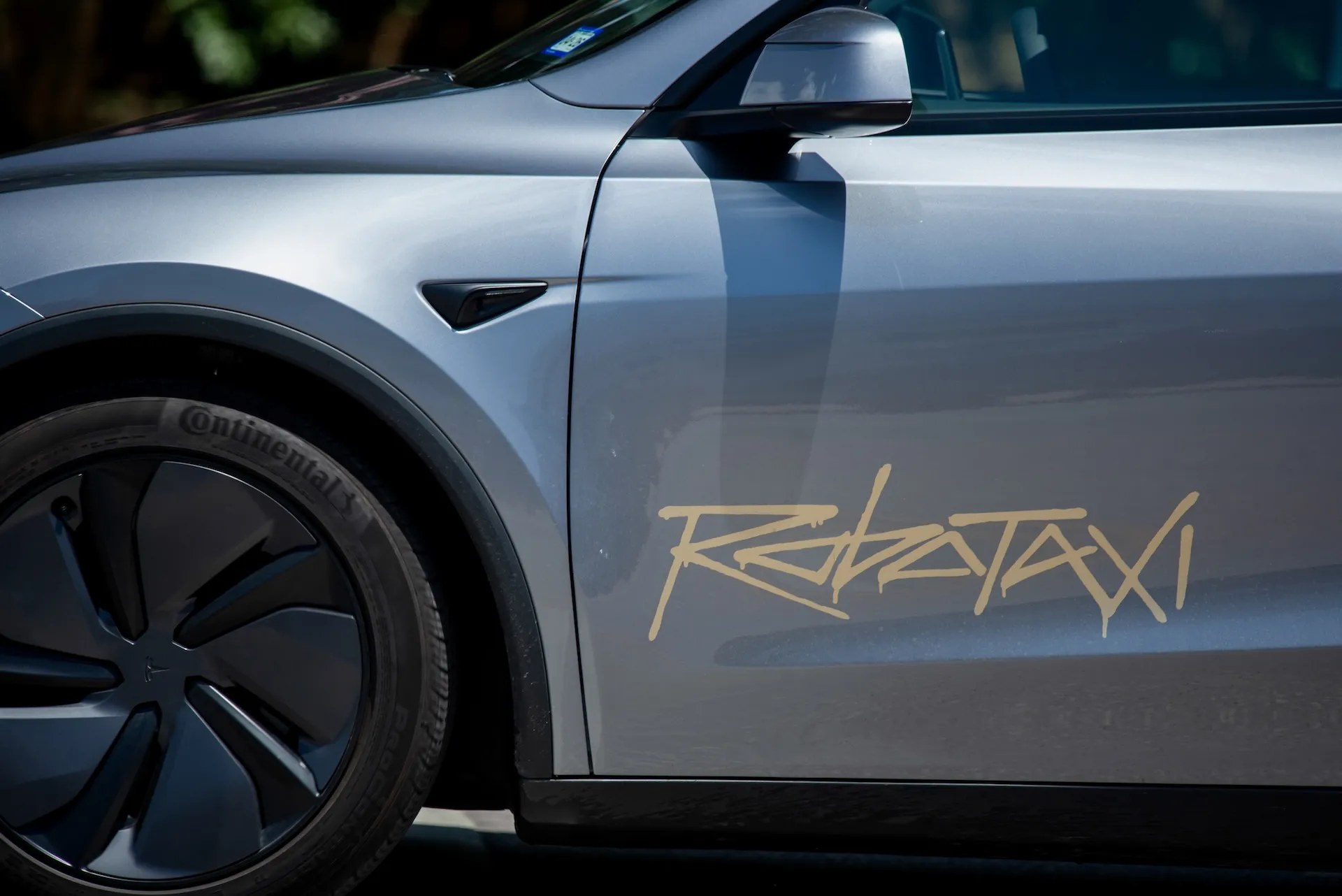
For most of this year, Tesla’s robotaxis in Austin stopped taking rides in the small hours. On Wednesday night, the company’s Robotaxi account on X said they no longer do.
Rides now run around the clock in every city where the service operates, according to the post, covering the eight markets where Tesla runs without a safety driver: Austin, San Antonio, Houston, Fort Worth, Dallas, Miami, Orlando and Tampa. Elon Musk reposted the announcement, framing it as a vehicle that works 168 hours a week.
The change closes a gap the company had been narrowing since August, when service ran from 6 a.m. to 10 p.m. Tesla pushed the closing time to 11 p.m. in early October, then to midnight, then to 2 a.m., which produced a 20-hour day. Last week it began at 5 a.m. for 21 hours. The overnight window that remained was the last piece.
Night driving is why it took that long. Mr. Musk said in early October that the main problem was detecting animals after dark, describing the difficulty as spotting “grey kittens on grey tarmac in the dark.” Tesla had expected its FSD v15 software to unlock round-the-clock operation in October. The release slipped by a few weeks, and the company has not said whether the software now runs across the whole fleet.
The fleet is mixed. Most rides are in Model Y vehicles; Cybercabs, the two-seat robot without a steering wheel, carry passengers only in Austin, with Dallas scheduled this month. Tesla has put about 300 Cybercabs on Austin roads. The Bay Area service, which operates with a person in the driver’s seat, was not part of the change.
Hours are the cheapest variable a robotaxi operator can change. A vehicle that runs 24 hours instead of 16 has fifty percent more time to earn, against a capital cost that does not move. Depreciation, insurance, the lease on the depot and the software team cost the same whether a car is moving or parked.
Revenue does not scale with the clock. Demand at three in the morning is a fraction of demand at six in the evening, and a car circling empty blocks at 4 a.m. adds miles to its depreciation schedule while adding nothing to the fare box. What the extra hours buy is coverage: a rider who cannot get a car at 1 a.m. stops opening the app at all.
Utilisation is the number the industry watches, because it decides unit economics. A robotaxi has no driver to pay, but it has remote operators, cleaners, chargers and mechanics, and the cost of each is spread across the rides the fleet completes. Higher utilisation lowers cost per mile at the same fare, which is the only route to matching a human-driven car on price.
There is a safety dimension that arrives with the extra hours. Night driving in a city involves pedestrians in dark clothing, cyclists without lights and roads with faded markings, and every additional unsupervised mile adds to a record that regulators are watching. A serious crash at 3 a.m. would draw more attention than one at noon.
Regulation remains a patchwork, and the map reflects it. Texas and Florida have taken a permissive approach, and every one of the eight markets sits in those two states, which makes the service look like a list of states rather than a list of cities. Expanding to a state with a stricter rulebook will take longer than adding another Texas metro. California requires more, which is why the Bay Area service still has a person behind the wheel. Round-the-clock operation in eight cities is a statement about the company’s confidence in its software. It is not a statement about the national rulebook.
Competition has tightened. Waymo runs driverless services in several cities and has been expanding, and it publishes safety data that Tesla does not. Zoox and several Chinese operators are running or preparing paid service. Tesla’s advantage has been cost, because its cars come off an existing production line, and its disadvantage has been disclosure, because the same approach that makes it cheap makes it hard to verify.
The long-run case rests on the shape of the cost curve. A robotaxi fleet converts a fixed asset into hours of service, and the operator that spreads its fixed costs over the most hours wins on price. That is the argument for running through the night even when the rides are thin, and it is the argument every competitor will make as soon as its own software allows it.
The question left open is what the three hours between two and five in the morning are worth. If they cover their own costs, Tesla has found a way to turn an idle asset into revenue. If they do not, the announcement is a scheduling change dressed as a business one.