The first time Google made smart glasses, it put a screen in front of the wearer’s eye and called it a computer. The product failed, and the lesson the company drew was about design: people will not wear technology that looks like technology. So the second time around, Google is doing the opposite. The glasses are being styled by eyewear brands, the hardware is being built by Samsung, and Google’s contribution — the Gemini assistant inside the frame — is invisible until you speak.
The approach will be tested this year. Analysts at Smart Analytics Global forecast that Google’s Android XR glasses, including versions co-branded with Warby Parker and Gentle Monster, will sell about 2 million units in 2026 — a projection that, if realized, would put Google in second place in the AI-glasses market behind Meta, ahead of Xiaomi, Huawei and Rokid.
Learning from a failure
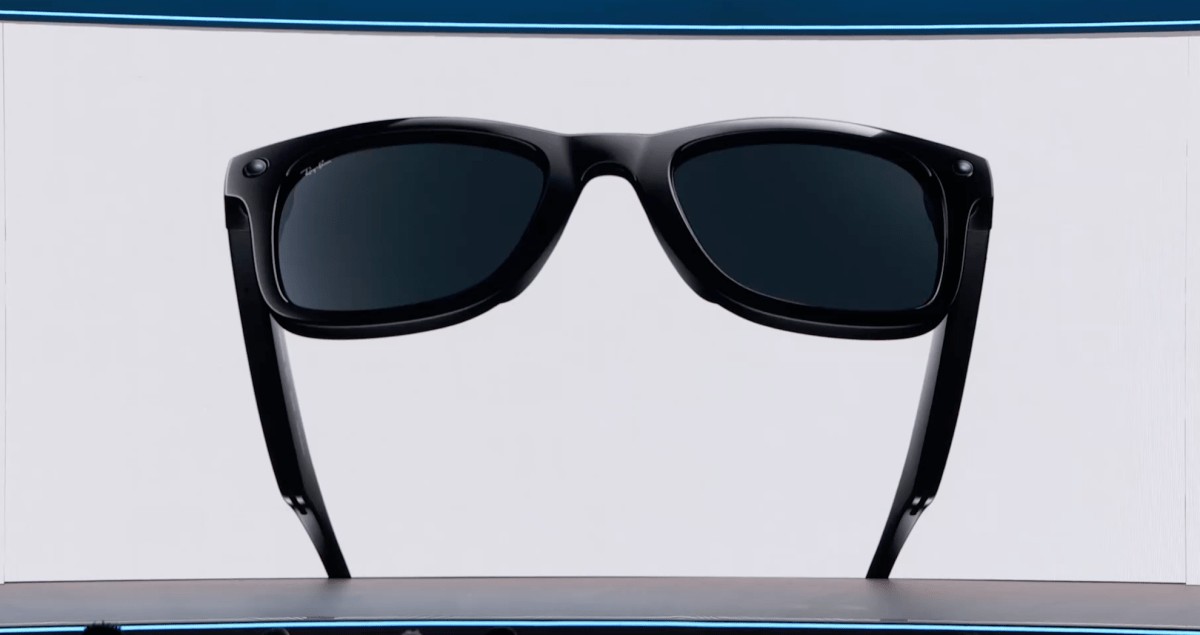
Google’s first attempt, Glass, launched a decade ago and became a cautionary tale: wearers were called “glassholes,” the camera triggered privacy backlash, and the product never found a market. The company pulled it back, then spent years rebuilding the concept as an everyday accessory rather than a wearable computer. The new glasses, shown at this year’s developer conference, carry the lessons: no visible display for most uses, a form factor indistinguishable from ordinary eyewear, and a design process led by the brands that already sell glasses.
The division of labor is deliberate. Warby Parker and Gentle Monster bring design and retail distribution; Samsung brings the displays, sensors and manufacturing; Google brings the software — an Android XR operating system and the Gemini assistant, which answers questions, translates speech and identifies objects through the camera. Google’s bet is that the assistant, not the hardware, is the product.
The numbers game
The 2 million-unit forecast puts the opportunity in context. Meta, which leads the category with its Ray-Ban partnership, took years to reach cumulative sales of 2 million units, finally crossing that mark at the end of 2024. Then the market accelerated: Meta sold about 7 million units in 2025 alone. If Google’s first year reaches the 2 million Smart Analytics projects, it would replicate roughly the growth curve of a category that took Meta a decade to build.
Analysts caution that the forecast is an early estimate, and the smart-glasses market has burned optimists before. The forecast assumes Google ships on schedule, that the design-led positioning works, and that consumers accept a camera on their face at a time when privacy concerns are higher than when Glass launched. Google’s share of the overall market would still be about a fifth, even if the forecast holds.
The strategic stakes
The glasses are part of a larger fight over where AI lives. Google’s argument is that AI assistants need to be ambient — present in the world, not just in a phone. Glasses are the most direct way to put an assistant between a person and their surroundings, and Google believes its Gemini model gives it an edge over rivals’ assistants. Samsung’s participation ties the project to the world’s largest phone maker, which brings scale and supply-chain muscle that a standalone hardware launch could not match.
The partnership structure has its own risks. Eyewear brands are not technology companies, and Google has given them unusual control over the product’s design and positioning. If the glasses sell, the brands will claim the credit; if they stall, the blame will land on Google’s software. Early market forecasts suggest the bet is plausible, but the category has a habit of punishing the confident.
The product details matter for the forecast. The glasses are expected to offer hands-free access to Gemini — translation in real time, object identification, turn-by-turn navigation displayed discreetly — with battery life and weight tuned for all-day wear, the two specs that killed earlier attempts. Samsung’s role is the least visible and possibly the most important: the display technology, sensors and mass manufacturing that make the glasses cheap enough and light enough to wear. Google has said little about pricing, and analysts say the price point — likely competitive with Meta’s frames — will be the swing factor in whether the 2 million-unit forecast holds.
The comparison with Meta is the most useful frame. Ray-Ban Meta glasses sold on a design that looked like ordinary eyewear and an assistant that worked well enough to justify the price; Google is replicating that formula with a bigger software stack and a faster release cadence. The risk is that the two products converge on the same feature set, leaving distribution and brand to decide the winner — which would favor Meta’s existing retail footprint. Google’s answer is Gemini’s capabilities, and the first reviews of the glasses this summer will show whether that is enough.
Google is betting that smart glasses succeed the second time around by looking like ordinary glasses — designed by Warby Parker and Gentle Monster, built by Samsung, and powered invisibly by Gemini. Analysts project 2 million units in the first year, a pace that would put Google behind only Meta in a market Meta took years to build. The strategy inverts Google’s first attempt completely: fashion leads, technology hides, and the assistant does the talking. Whether that is the right lesson from Glass, the market will decide this year.