OpenAI on Aug. 18 released a dedicated version of ChatGPT for teenagers, bundling parental controls with study-oriented features in an effort to answer months of questions about minors using the chatbot. The new product pulls the teenage experience out of the general ChatGPT offering and gives it its own guardrails, its own limits, and its own pitch to parents.
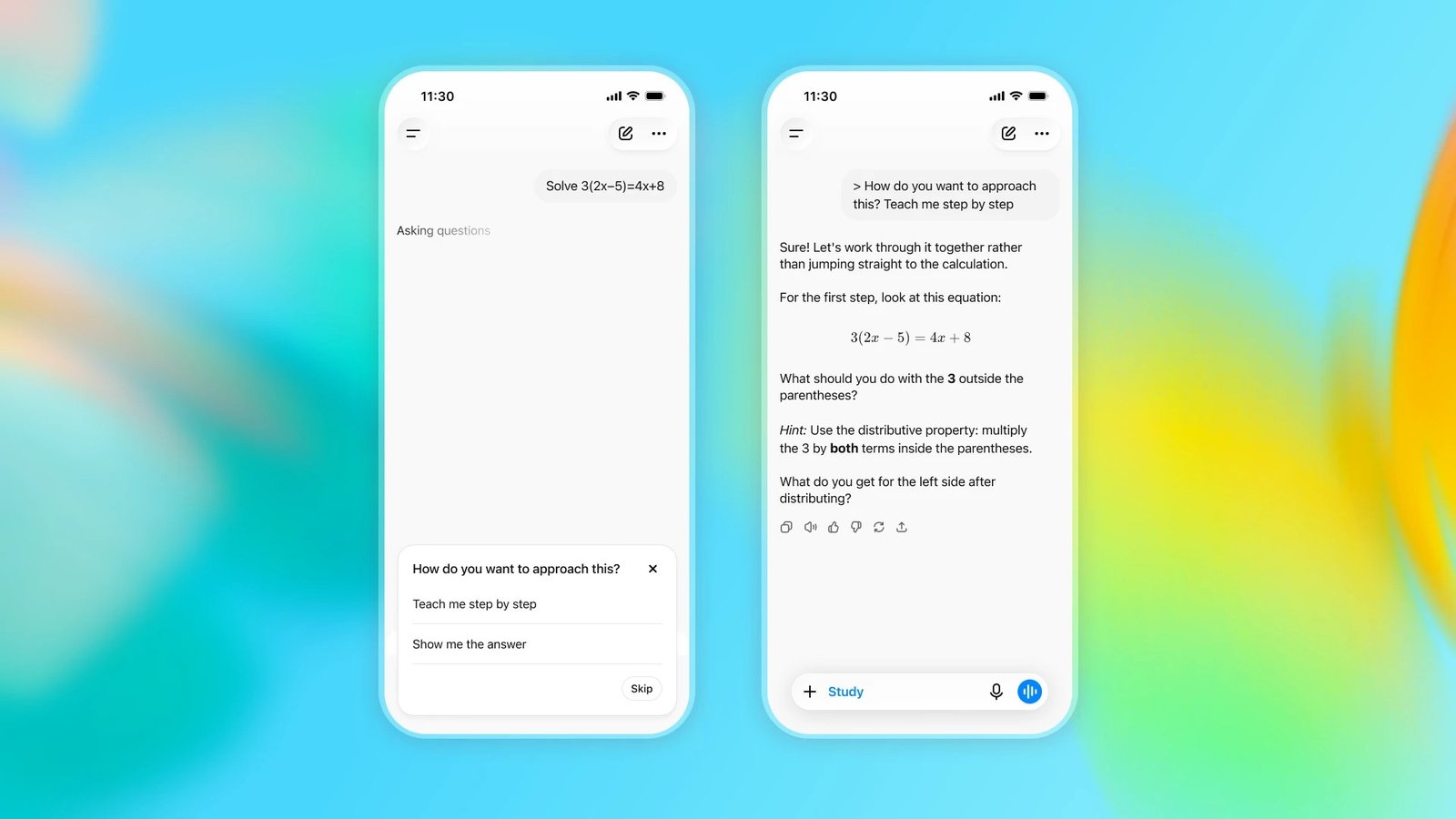
The product is designed as a compromise between prohibition and permissiveness. Teenagers get a chatbot tuned for homework help, explanations, and study planning, with content safeguards stricter than those in the standard version, and parents get controls over how the tool is used, including visibility into activity and limits on what the account can do. OpenAI is betting that a supervised version of its product will satisfy the families who would otherwise block it entirely.
The launch responds to a debate that has been building for years. Schools have alternated between banning AI tools and building curricula around them, parents have worried about chatbots as companions and tutors they cannot monitor, and regulators have begun writing rules for children’s use of AI products. The company’s answer is to make the product itself the solution, with the parental controls built in from the start rather than added as an afterthought.
The stakes are larger than one product launch. The technology industry’s responsibility for minors is migrating from social media to AI, and the teenage user is becoming the test case for how that responsibility is exercised. Social platforms learned the hard way that youth safety was a regulatory and reputational liability, and AI companies are watching that history while designing their own products for the same audience.
OpenAI’s approach differs from the social media playbook in a crucial way. Social platforms built their teen products around engagement and discovered that engagement and harm were hard to separate. ChatGPT for Teens is built around assistance, with the engagement incentives muted by design, and the company is positioning the product as a learning tool rather than an entertainment service. Whether the design holds under real-world use is a question only deployment will answer.
The parental controls address the concern that has dominated the debate: that teenagers will use AI tools in ways their parents cannot see or understand. Visibility into usage, limits on functionality, and the ability to adjust controls as children grow are the features that families have asked for, and OpenAI has put them at the center of the offering. The company is effectively arguing that the answer to the teen-safety question is a product, not a ban.
Analysts said the move is also a commercial calculation. Teenagers are the most valuable users of the next decade, the cohort that will carry habits formed now into adulthood, and a product that wins their trust is a product that captures their future spending. The company that owns the teenage AI relationship today has a claim on the adult relationship tomorrow, and the competitive stakes are enormous.
Regulators are watching the launch with the same interest. Children’s online safety rules have expanded across jurisdictions, and AI products aimed at minors are drawing scrutiny that did not exist when ChatGPT first launched. A version of the product designed for the audience, with controls built in and content limits documented, is easier to defend in front of a regulator than a general-purpose chatbot that happens to be used by teenagers.
The launch settles one argument and opens another. OpenAI has shown what a supervised version of ChatGPT looks like; the question is whether families accept the trade it offers, whether schools incorporate it, and whether the controls prove strong enough in practice. The company’s competitors will be watching the adoption numbers, because the teenager who is comfortable with ChatGPT today is the enterprise buyer of tomorrow.
The launch follows a string of incidents that put teen AI use on regulators’ desks. Lawsuits have been filed over chatbots that encouraged harmful behavior in minors, school districts have both banned and embraced AI tools, and state lawmakers have proposed age requirements that would gate access to the technology entirely. OpenAI’s product is, in part, an answer to that pressure: a version of ChatGPT designed so that the arguments for banning it are harder to make.
The design decisions are the substance. Parental controls in consumer AI are not trivial to build, because the technology’s value lies in open-ended conversation and its risk lies in the same openness, and a version that filters content too aggressively becomes useless while one that filters too lightly fails the safety test. OpenAI has chosen a middle path, with settings that parents can tune and content boundaries that are stricter than the adult version, and the company will be judged on whether the balance holds in real use.
The industry will be watching adoption closely. If teenagers embrace the supervised version and parents pay for it, other AI companies will follow with youth offerings of their own, and age-appropriate design will become a standard feature rather than a differentiator. If the product fails to catch on, the lesson will be that the teen market cannot be won by design alone, and the regulatory arguments for restricting minors’ access will gain ground.