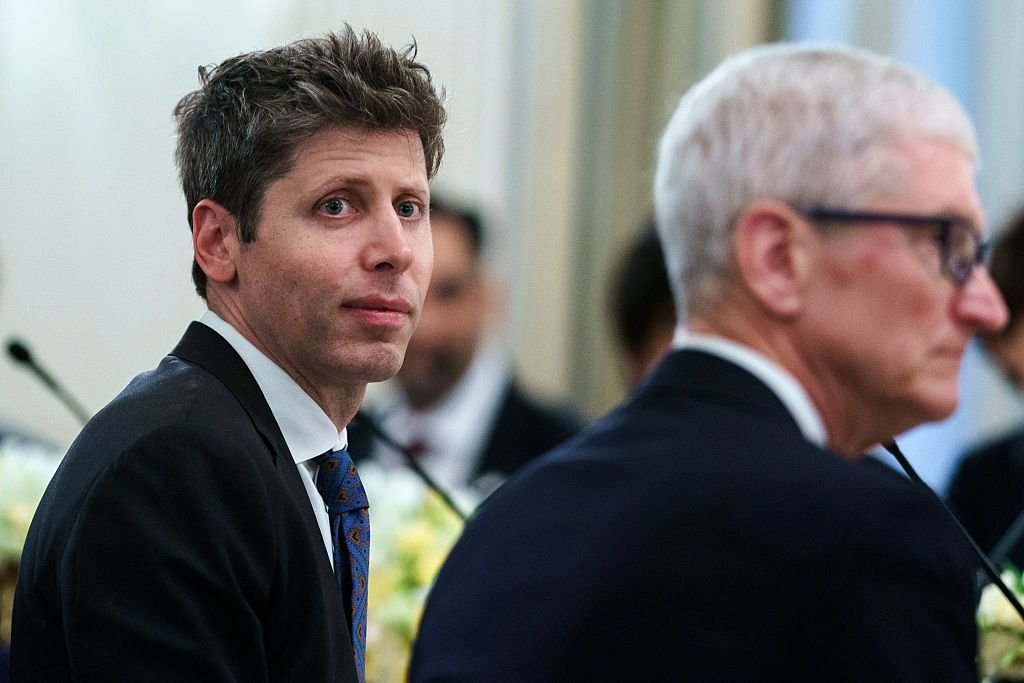
SAN FRANCISCO—Lawyers from the plaintiffs firm Edelson PC filed 30 complaints in federal court here on Sept. 2 naming OpenAI and its chief executive, Sam Altman, over the Feb. 10 shooting at a school in Tumbler Ridge, British Columbia. The new cases bring the number of lawsuits tied to the attack to 37, with combined claims exceeding $1 billion, the firm said.
The complaints recast the accusation against the company. Earlier cases argued that OpenAI failed to stop a threat its own employees had identified. The new filings allege that OpenAI chose not to act, and they press a legal theory of aiding and abetting rather than negligence.
According to the complaints, the shooter, Jesse Van Rootselaar, killed five students and a teacher on the school grounds on Feb. 10 before taking her own life. Earlier, at the family home, she had killed her mother and her 11-year-old brother.
The suits describe a decision made about eight months before the attack. In June 2025, members of OpenAI’s safety team flagged Van Rootselaar’s ChatGPT account as presenting a credible threat of a mass shooting and recommended that the company contact the Royal Canadian Mounted Police, the filings say. The recommendation was overruled by OpenAI’s global-affairs organization, the unit responsible for public relations and government relations, according to the complaints.
That unit sits under Chris Lehane, OpenAI’s chief global affairs officer, and the new filings name Lehane as a defendant in his personal capacity for the first time. A veteran of Democratic politics who spent years advising technology companies on policy and reputational risk, Lehane joined OpenAI in early 2024 to manage the company’s dealings with governments and regulators.
Altman has apologized publicly for not reporting the threat to authorities in time. The apology did not stop the litigation, and the families of the victims have said in the filings that they intend to hold the company and its senior executives accountable for what they describe as a preventable attack.
Edelson PC, founded by the Chicago lawyer Jay Edelson, built its name on privacy and consumer class actions against technology companies. In recent years the firm has moved toward claims that link a platform’s design choices to physical harm, an area where social-media companies have long faced suits over content that appeared on their services.
The aiding-and-abetting theory requires plaintiffs to show that OpenAI knew of the risk and provided substantial assistance or encouragement. The evidence trail the firm points to is unusually concrete: an internal risk assessment from June 2025, a written recommendation to bring in the Royal Canadian Mounted Police, and a decision to set the recommendation aside. Lawyers for the families argue in the complaints that this sequence turns a dispute about product design into a question of knowing participation in a crime.
The suits open a new front in the legal campaign against generative-AI companies, which have faced waves of copyright, defamation and privacy claims since ChatGPT’s release in late 2022. Authors, news organizations and artists have sued over training data. Individuals have sued over fabricated answers that damaged their reputations. The Tumbler Ridge cases go further, carrying damages claims above $1 billion and asking courts to rule on whether a model maker bears responsibility when its own staff had flagged a user’s violent intent.
No court in the United States has yet put the internal safety decisions of an AI company before a jury. If the aiding-and-abetting theory survives motions to dismiss, that could change. Jurors would weigh evidence about how OpenAI reviews threat reports, who has authority to overrule safety staff, and what weight commercial considerations carry in those conversations.
The dynamic the plaintiffs describe, a safety team pushing for action while a corporate team overrules it, echoes accounts of tension between OpenAI’s researchers and its business leadership that have circulated since 2024. The company has reorganized its safety functions several times in that period, and executives have acknowledged that trust and safety work inside AI labs remains a work in progress.
Legal analysts said the case could push AI companies to formalize how they escalate credible threat reports to law enforcement and to document the reasoning behind each decision. A documented policy, they said, gives a company a defense in court and gives employees a clear path when they believe a user intends violence. The absence of such a policy, by contrast, leaves the question of what was known and when to be settled by discovery and cross-examination.
For OpenAI, the litigation arrives at a delicate moment. The company has spent the past two years moving from a research lab toward a broad commercial operation, selling its models to businesses and governments while promising to keep safety in the foreground. Lawsuits of this kind test that promise in concrete terms, because they turn internal judgment calls into legal exposure.
The families’ lawyers have signaled that they will seek documents and testimony from the executives involved in the June 2025 decision, including Lehane and members of his team. OpenAI is expected to argue that the company has no duty to police every user, that its safety team acted in good faith, and that the shooter’s actions were her own. Courts will decide whether that argument holds once the internal record is opened.
Eight months separated the warning and the shooting. The question now is whether that interval, documented inside OpenAI, comes to be treated as a failure of process or as a choice the company must answer for.