For Europe’s space agencies and companies, getting anything into orbit has increasingly meant one phone call: to SpaceX. The European Space Agency, commercial satellite operators and even national governments have leaned on Elon Musk’s rockets for launches and cargo, and the continent has watched that dependence grow uncomfortable. This week, a startup raised a large sum of money to change that.
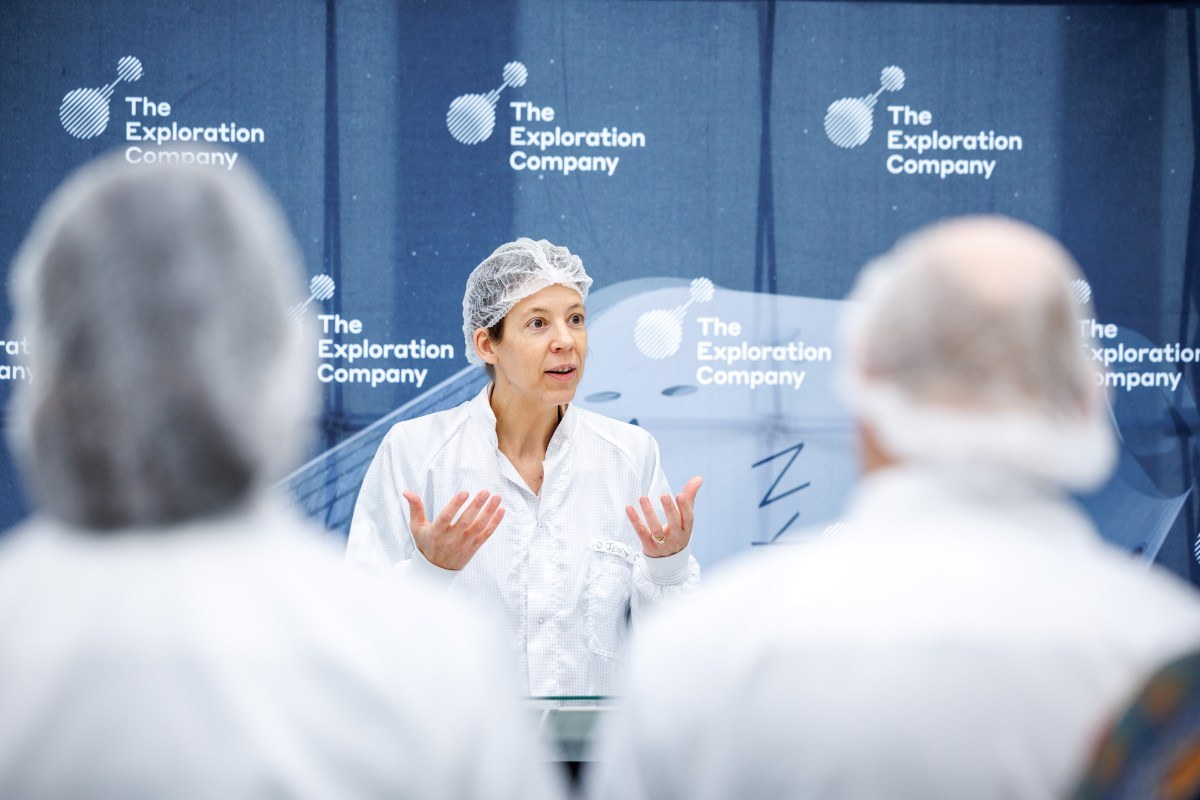
The Exploration Company, a European space firm with operations in Germany and France, said it has closed a $450 million Series C round, a figure the company described as the largest Series C ever raised by a European space company. The financing was reported September 8 by TechCrunch and Bloomberg.
The money is earmarked for developing a reusable spacecraft and its rocket engines, the building blocks of a system that would carry cargo to and from orbit without relying on American launchers. The company has been working on a capsule called Nyx, designed to ferry supplies to space stations and return them to Earth.
The ambition is explicit: to offer Europe a credible alternative to SpaceX in commercial space transport. SpaceX dominates the launch market with reusable rockets that have driven costs down, and no European company has yet matched that combination of reliability and price.
The financing is a bet that Europe is finally willing to pay for its own capability. European governments have spent years debating how to close the gap with SpaceX, and the European Space Agency has backed several programs aimed at developing independent launch and cargo systems.
The round’s investors were not fully disclosed in the initial reports, but the size alone signals that institutional backers see a commercial path for a European transport provider. Space startups historically raised in the tens of millions; a $450 million round puts The Exploration Company in a different category.
The demand is real. Europe’s own space station ambitions, along with growing commercial activity in low Earth orbit, create a need for cargo transport that no European-built vehicle meets today. The eventual retirement of the International Space Station is expected to shift that market toward private stations and the suppliers that service them.
Reusable spacecraft are the hard part. Building a capsule that can survive re-entry, be inspected, and fly again requires engineering that only a handful of companies have mastered, and most of them are American or Chinese. The company’s progress on Nyx will determine whether the capital produces a flying vehicle or just a promising design.
The company has already flown prototypes and secured contracts, positioning itself ahead of some rivals in Europe’s nascent orbital transport sector. Those early wins gave investors something concrete to underwrite, rather than a slide deck and a hope.
The strategic case is as important as the commercial one. European officials have made plain they do not want the continent’s access to space to depend on a single American company, and a domestic cargo and launch capability is the foundation of any meaningful autonomy.
The $450 million figure, if the company’s “largest Series C” claim holds, marks a step change in how much money European investors are willing to commit to space. A decade ago such a round was unthinkable on the continent, where space finance flowed mostly through government agencies.
Still, the gap with SpaceX is vast. Musk’s company launches at a cadence no one else approaches and carries a decade of reusable-rocket experience. A European competitor will need years and more capital before it can compete on cost, even with a working capsule.
For now, The Exploration Company’s raise is a signal: the investors who put up the money believe Europe’s backup to SpaceX is worth paying for before it is needed, rather than trying to build one in a crisis.
The company has positioned itself at the center of a broader European debate about sovereign access to space. The continent’s flagship launcher program has struggled with delays, and European satellites have at times been forced to book rides on American rockets. A domestic cargo capsule would not solve the launch problem overnight, but it would give Europe one more piece of an independent supply chain.
Investors are also betting on a structural shift in what gets sent to orbit. As private space stations, pharmaceutical research and manufacturing in microgravity move from concept to business, the demand for regular cargo flights is expected to grow well beyond what government missions alone provide. A reusable capsule that can make those trips cheaply would sit at the center of that market.
The company’s founders and backers have made the SpaceX comparison explicit, though the two firms are not direct competitors in every respect. SpaceX’s dominance rests on reusable rockets, while The Exploration Company is focused on the capsule that rides on top. The bet is that Europe will need both pieces eventually, and that a company building the cargo side now will be indispensable when it does.
Whether that backup ever becomes a primary option depends on execution, and on whether European governments follow their rhetoric with real contracts. The money is in; the spacecraft still has to fly.