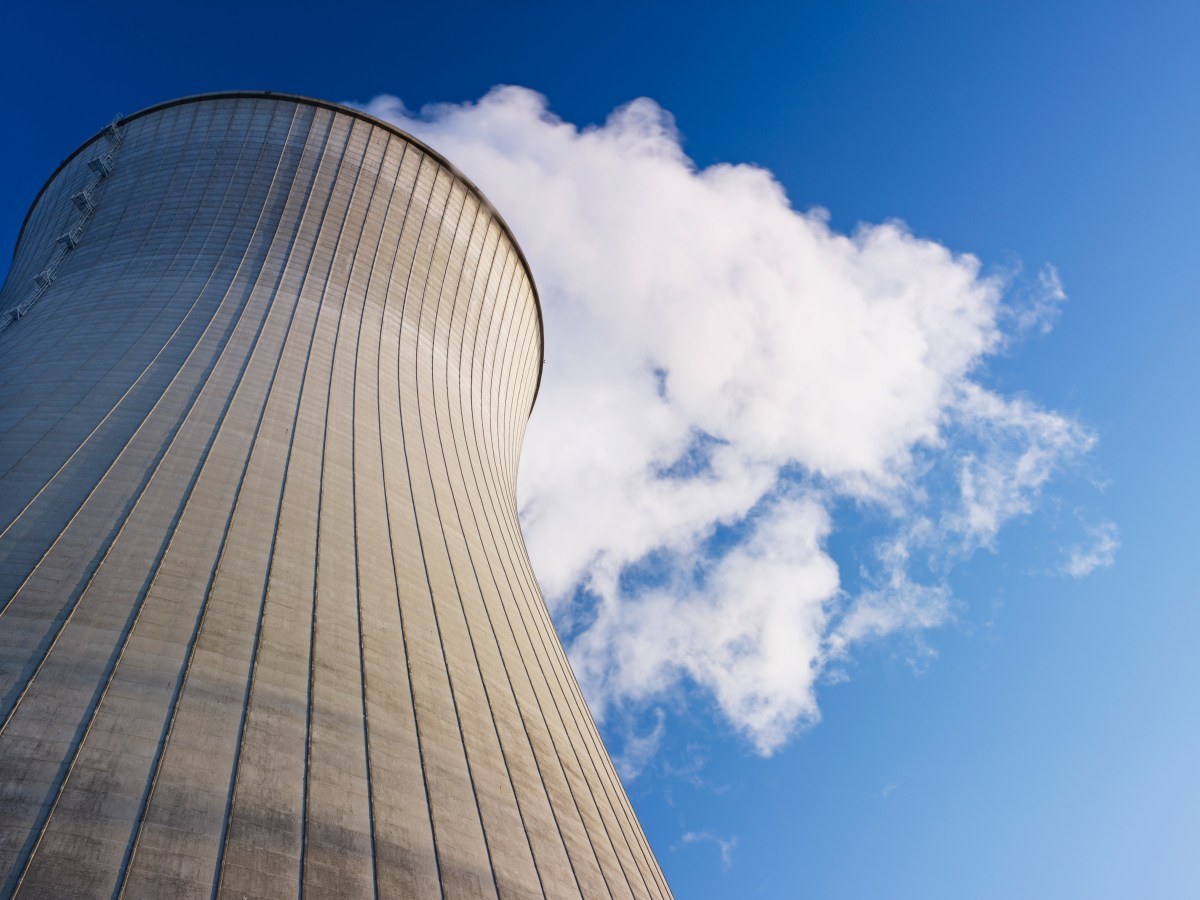
Duane Arnold was supposed to be done. The 615-megawatt nuclear plant on the Cedar River in Iowa was shut down in 2020 after a powerful windstorm known as a derecho damaged it, and for four years its cooling towers stood idle while the grid moved on. On Monday, the U.S. government put real money behind bringing it back.
The Department of Energy’s Energy Dominance Financing Office said September 8 that it had completed a loan of up to $1.9 billion with NextEra Energy to restart the plant, Iowa’s only nuclear facility. The target is to have Duane Arnold generating power again by the first quarter of 2029, subject to approval from the Nuclear Regulatory Commission, which has not yet signed off.
The numbers attached to the restart are substantial. The project is expected to support about 1,500 construction jobs during the rebuilding and roughly 460 permanent operations jobs once the plant is running. For a state that lost a major employer when the plant closed, the restart is an economic story as much as an energy one.
The plant also arrives with a customer already attached. Google signed a twenty-five-year power purchase agreement with NextEra in October 2025, committing to buy about 70 percent of Duane Arnold’s output. That deal, struck long before the federal loan closed, is the clearest sign of what is driving the revival: the electricity demands of data centers.
Duane Arnold is the latest in a line of retired nuclear plants that Washington and the industry have moved to bring back. The Palisades plant in Michigan, shut down in 2022, is being restarted with federal support, and Constellation Energy has been working to restart a unit at Three Mile Island, the site of the 1979 accident, under a deal to power Microsoft data centers. One by one, plants that were written off are being pulled back into service.
The logic is straightforward. Data centers for artificial intelligence consume enormous amounts of power, and the technology companies building them want that power to be clean, reliable and available around the clock. Nuclear plants provide all three, which is why the largest tech firms have signed a string of agreements to buy nuclear power directly from operators rather than relying on the broader grid.
The federal role has grown accordingly. The Energy Department’s loan program, which was created to support innovative energy projects, has become an important source of financing for the nuclear revival, filling gaps that private lenders are often reluctant to take on for plants that must first be rebuilt and relicensed. The $1.9 billion for Duane Arnold is one of the larger loans the office has made in the power sector.
The risks are not trivial. Restarting a plant that has been shut for years is an engineering challenge, and the 2029 target is ambitious. The NRC must still approve the plan, a process that has moved slowly in past restarts, and cost overruns are a familiar feature of nuclear work. Analysts note that the schedule could slip and the price tag could rise before the first megawatt flows.
Still, the direction of travel is clear. After decades in which the United States was more likely to close a nuclear plant than open one, the industry’s economics have flipped. Cheap, reliable, carbon-free power is now scarce enough that technology companies are willing to pay a premium for it, and that premium is what makes a dormant plant in Iowa worth the trouble of rebuilding.
The revival marks a sharp turn from the recent past. Between 2013 and 2022, more than a dozen U.S. reactors shut down, most of them because cheap natural gas and subsidized renewables undercut their economics. The companies that owned them saw little reason to keep aging plants running. What changed is the arrival of a new class of buyer: technology companies whose data centers need power that never stops and does not add carbon.
The Energy Department’s loan office has become the financing backbone of that turn. Created to back innovative energy projects, it has moved decisively into nuclear in recent years, extending support to restarts and advanced reactor designs that private lenders still view as too risky. The $1.9 billion for Duane Arnold follows similar commitments elsewhere, and more are expected as utilities and tech companies line up projects.
Skeptics note that restarts have a mixed record on schedule and cost, and that the 2029 date assumes a smooth regulatory path. The NRC has approved some restarts but has yet to fully test its process on several pending applications, and any delay ripples through the power contracts that depend on the plant coming online. The money is committed; the timeline is still a promise.
For NextEra, the restart deepens its bet on nuclear power at a moment when the company, the largest U.S. utility by market value, is also expanding its gas and renewables fleets. For Google, it locks in a source of around-the-clock power for its data centers. For Iowa, it reverses what looked like a permanent loss. Duane Arnold was supposed to be done; now it is on the schedule to come back.