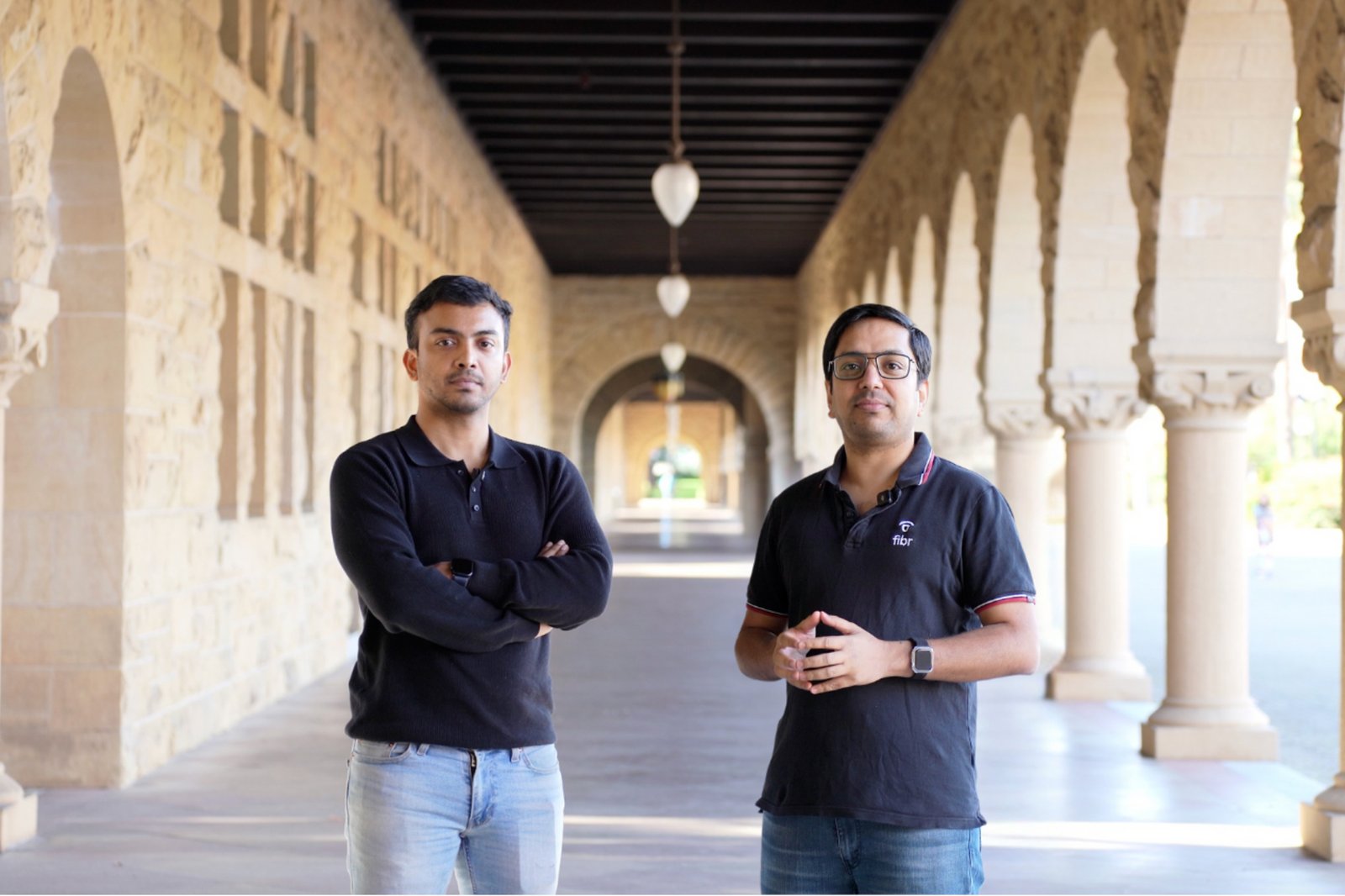
The earnings call carried two announcements, and the second one will outlast the first. Adobe reported record quarterly revenue on Thursday, and in the same call its chief executive of nearly two decades, Shantanu Narayen, said he is handing the company to Anil Chakravarthy at the start of December.
The transition ends one of the longest runs in software. Narayen has led Adobe since 2007, steering it through the shift from boxed software to subscriptions and then into AI, and he will become executive chairman while Chakravarthy, who runs the customer experience business, takes the president and chief executive titles on Dec. 1.
The quarter he is leaving on was a strong one. Revenue rose 13 percent to $6.76 billion, non-GAAP earnings per share rose 15 percent to $6.13, and both beat expectations. Operating cash flow hit a record $2.52 billion, and the company bought back about 9.5 million shares.
The AI story was the headline inside the numbers. Annual recurring revenue from AI-first products grew 150 percent from a year earlier, and monthly active users passed one billion, with freemium users above 100 million, up more than 70 percent.
That freemium number is the company’s answer to the question that has haunted software since generative AI arrived: whether AI will eat subscription revenue. Adobe’s response is to build a base of free users first, then convert a slice of them to paid with AI features they cannot get elsewhere.
The logic has not yet been proven. The conversion rate from free to paid is the number analysts said they are watching, and the fourth-quarter revenue guidance, which came in slightly below market expectations, is why the stock slipped in after-hours trading.
Chakravarthy inherits the company at the point where that question gets answered. He has spent his Adobe career on the enterprise side, running the experience cloud business that sells analytics and marketing software to large companies, and his rise signals a bet that the next phase of Adobe’s growth is in business software rather than the creative tools the company is famous for.
Chakravarthy joined Adobe in 2020 and has run the digital experience business, the unit that sells marketing and analytics software to large companies and that has become Adobe’s second growth engine alongside the creative tools. His appointment points the company toward the enterprise accounts that pay the largest bills.
Narayen’s tenure is inseparable from the subscription pivot. When he took over, Adobe sold perpetual licenses for Photoshop and the rest of the Creative Suite; the move to Creative Cloud, announced in 2011, was the decision that rebuilt the company’s economics and set the template the industry now takes for granted.
The AI era is a harder problem than the subscription era. Subscriptions made revenue predictable; AI threatens to make the underlying work cheaper to produce, which cuts the value of the tools Adobe charges for. The company’s answer has been to put AI into everything it sells and to grow a free tier big enough to feed the paid one.
The one billion monthly active users is the measure of that strategy’s reach. Adobe has never had a consumer funnel that wide, and the freemium base, at more than 100 million users, is the raw material for a conversion machine the company is still assembling.
The transition is orderly by design. A CEO handoff announced three months ahead, with the outgoing leader staying as chairman, is the opposite of a crisis. Adobe is signaling that the succession is planned and that the strategy, freemium and all, will continue under new management.
The company he inherits faces new competition as well. A generation of simpler, cheaper design tools has grown up around Adobe’s franchise, and the pressure to defend the creative business while expanding the enterprise one is the balance Chakravarthy will have to hold.
Analysts said the market’s mild reaction to the leadership news, and its sharper reaction to the guidance, tells the story: investors are less worried about who runs Adobe than about whether the AI-era growth model actually converts.
The fourth-quarter caution is the honest part. Adobe guided slightly below the street, a signal that the AI growth, for all its triple-digit percentages, has not yet fully replaced the growth in the legacy businesses it is meant to extend.
Chakravarthy’s first job will be to close that gap. He takes over a company with a record cash flow quarter, a billion users, and a transition strategy in motion, and the market will measure him first on the conversion rate, then on everything else.
What the quarter and the succession share is a bet on patience. Adobe is spending the present to build a user base and handing the leadership to a new team before the payoff is in, and the company is asking investors to trust that the conversion follows the audience.