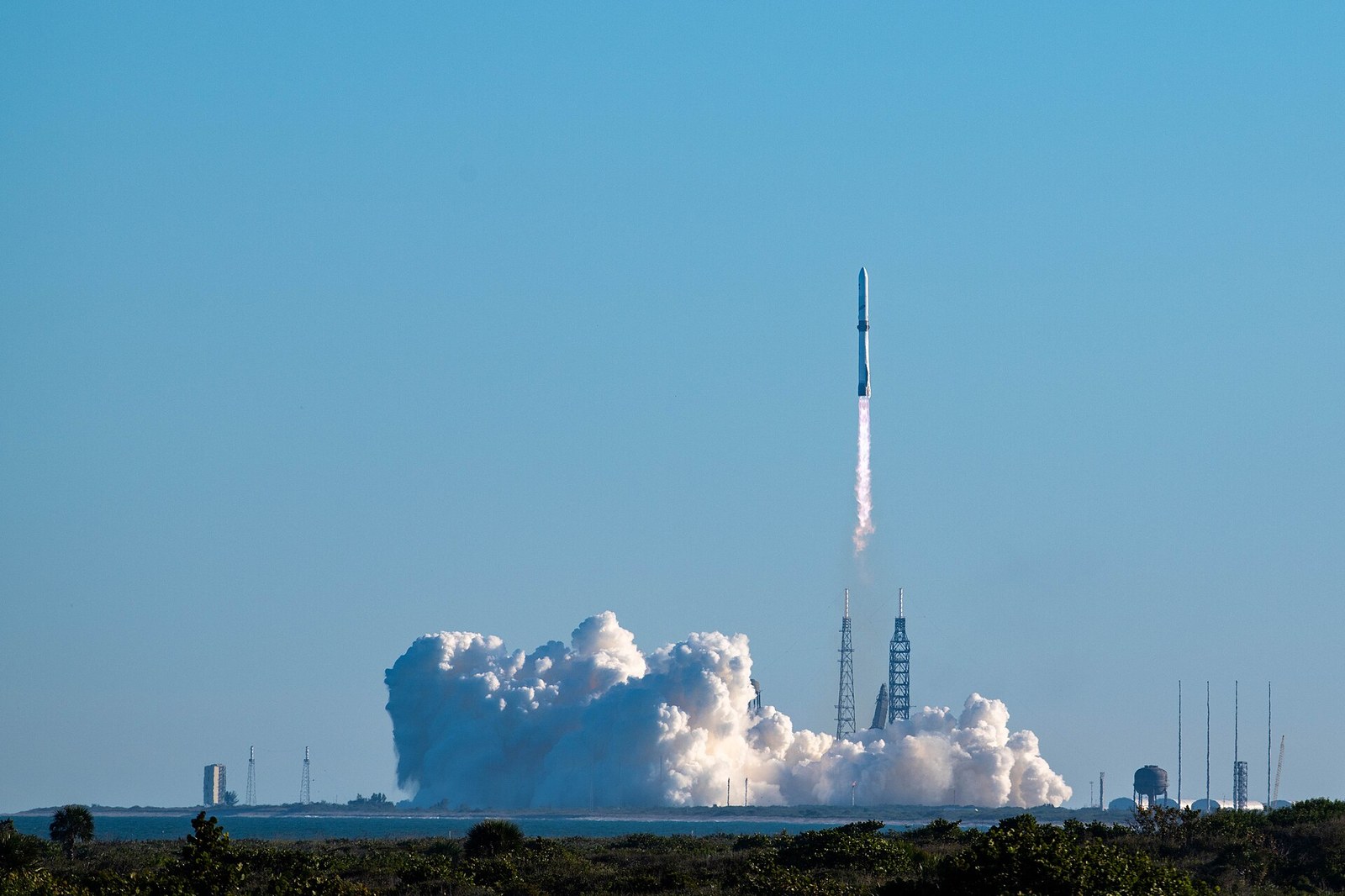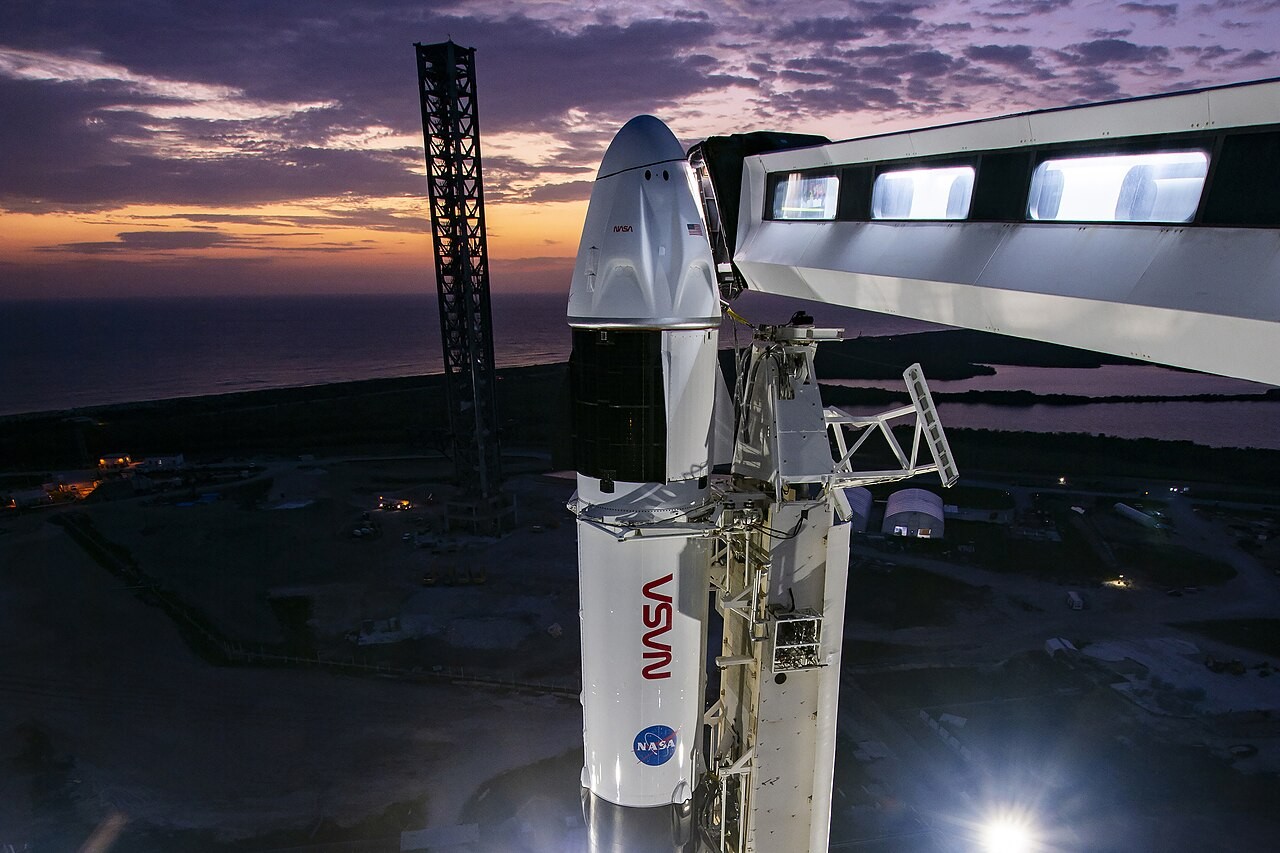
SpaceX reached a round number on September 13, and used the moment to talk about the next one. A Falcon 9 lifted off from Cape Canaveral in the afternoon, carrying the final three satellites of SES’s O3b mPOWER constellation into medium Earth orbit. It was the 700th launch of the Falcon family.
The tally breaks down into 687 Falcon 9 missions and 13 Falcon Heavy flights. The mission was also SpaceX’s 107th orbital launch of the year. The first-stage booster, B1080, completed its 29th flight and was recovered, another data point in the company’s campaign to fly hardware over and over.
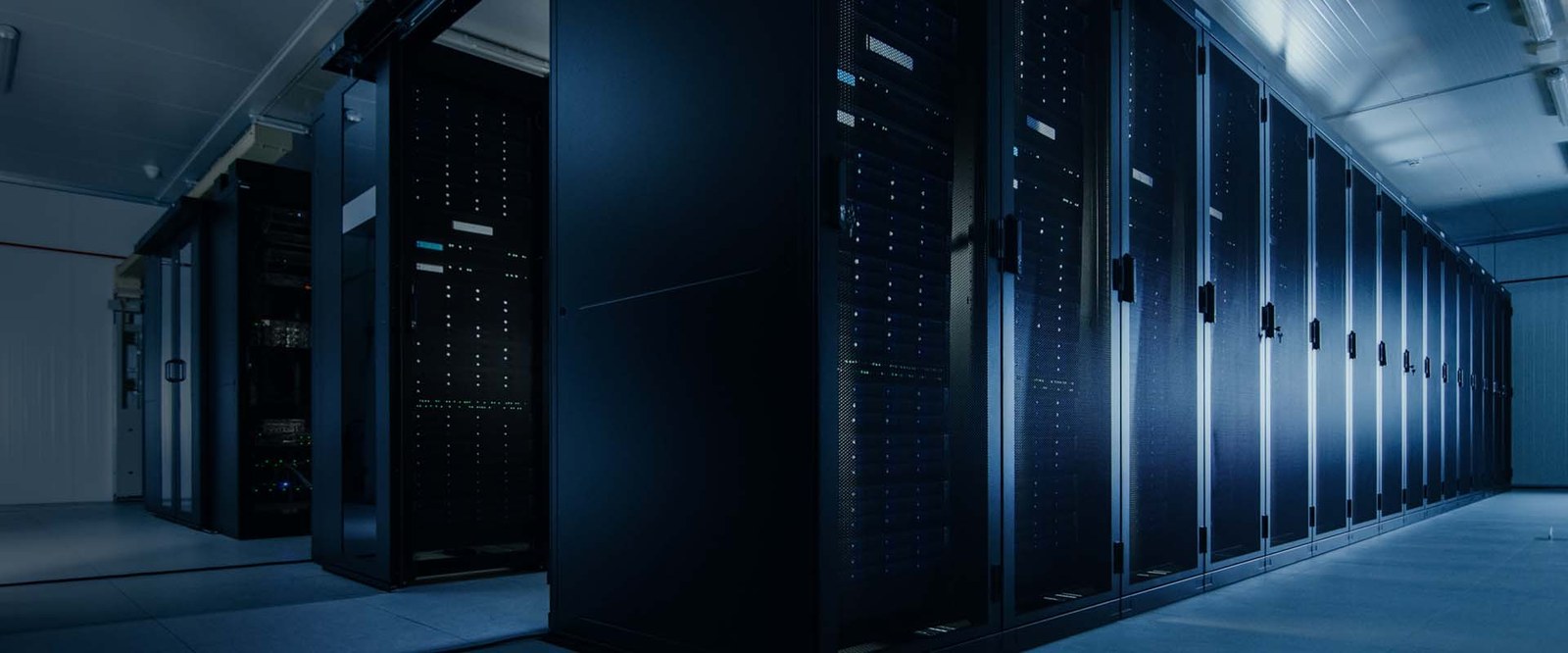
The same day, SpaceX held an investor meeting, and the message there was about computing rather than rockets alone. Chief financial officer Bret Johnsen spoke about vertical integration and set a target of deploying five to ten gigawatts of ground computing power next year. A hosting contract signed earlier this month begins bringing in about $1.11 billion per month from December 1, or roughly $13 billion annualized.
Elon Musk added his own forecast on X. He said he is highly confident the company will put Nvidia’s Vera Rubin NVL72 compute systems into orbit next year. That would extend SpaceX’s computing ambitions from the ground into space, and link its launch business to the AI infrastructure race.
The launch cadence behind the round number is worth pausing on. SpaceX has compressed the time between flights steadily, and its 107 orbital missions this year put it far ahead of any competitor. The booster that flew on September 13 has now gone up and come back 29 times, which would have been hard to imagine a decade ago.
The compute business is built on the same reuse logic. SpaceX already operates a large network of satellites and ground stations, and it is betting that the infrastructure can host computing workloads as easily as it carries data. The hosting contract signed this month gives the idea a revenue number for the first time.
The pairing of a launch record with an orbital-computing plan is deliberate. SpaceX has long argued that its launch cadence and its Starlink network make it a natural carrier of compute. Musk’s orbital-compute talk pushes that argument further, suggesting that data centers might eventually leave the planet’s surface.
The 700th launch is a measure of how far the company has come. SpaceX once struggled to reach orbit at all. It now launches more often than every other operator combined, and the cadence keeps rising. Each additional flight is both a marker in the launch business and a claim on the next one, in space.
The ten-gigawatt figure, if reached, would put SpaceX among the largest operators of computing power anywhere. A gigawatt is the output of a large power plant, and five to ten of them is a scale associated with utilities, not launch providers. The company is describing a second business that would rival the first in size.
Analysts said the investor-meeting figures matter more than the round number. A monthly hosting stream of more than a billion dollars, if it holds, would make compute a revenue line comparable to launches themselves. The company is betting that the same discipline that made rockets reusable can make computing capacity sellable at scale.
The Nvidia tie is significant because it places SpaceX in the middle of the AI buildout. Vera Rubin NVL72 systems are among the most advanced AI training platforms Nvidia sells. Putting them in orbit is unproven, but it signals that SpaceX wants to be part of the frontier compute story, beyond the launch business.
The Vera Rubin systems Musk wants to fly are the centerpiece of Nvidia’s next training generation. Putting them in orbit would sidestep some earthly constraints, such as land and grid access, while introducing others, such as cooling and maintenance in space. The plan is far from proven, but it signals where SpaceX thinks the next constraint on AI will be.
For the launch business itself, the 700th flight came without the drama that once accompanied rocket firsts. The booster landed, the satellites deployed, and the count advanced. SpaceX has turned what was once exceptional into routine, and the company’s challenge now is finding a number large enough to impress.
The investor meeting suggested where that number might come from. Five to ten gigawatts of ground compute is an energy-scale commitment, not a launch metric. It would require power, land, and cooling on a scale few companies have attempted. The orbital system, if it flies, would be the more audacious version of the same ambition.
What the day showed is that SpaceX no longer measures itself only in launches. The 700th Falcon flight showed a scale already achieved. The compute targets were a statement about scale still to come. The company is now running two races at once, and it spent a single afternoon updating investors on both.