Salesforce suffered a global service outage on September 16, the same week it was supposed to be showing customers the future of its software. The outage struck during Dreamforce, the company’s annual conference in San Francisco, where Chief Executive Marc Benioff was introducing a new product called AIForce.
The collision of the outage and the product launch was awkward, and it was not the only friction around the event. Outside the conference, protesters gathered to demand that Salesforce end its contract with US Immigration and Customs Enforcement, reviving a dispute that has followed the company for years.
The outage itself was the most concrete problem. Salesforce’s products, the customer-relationship tools that thousands of companies use to run their sales and service operations, went down in multiple regions. The company acknowledged the disruption but did not immediately explain the cause, and customers who rely on the platform for daily work were left without it.
Downtime at Salesforce is rare enough to be news, and its timing during the company’s flagship event magnified the embarrassment. Dreamforce is where Salesforce pitches reliability and scale to the executives who buy its software, and an outage on that stage undercuts the message.
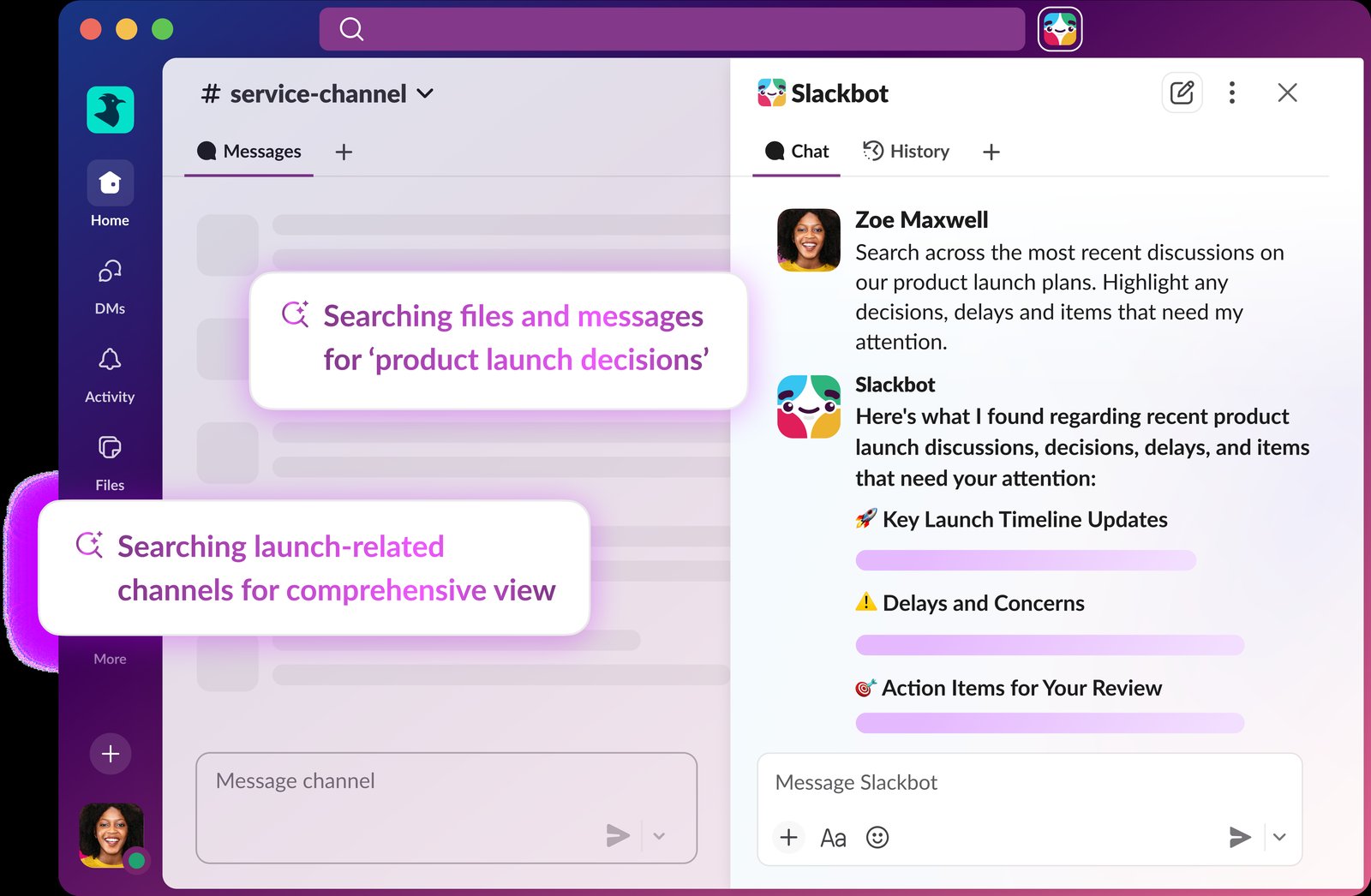
AIForce, the product Benioff unveiled, is the company’s bid to attach itself to the AI boom. Salesforce has spent two years arguing that its data, the customer records sitting inside its systems, makes it the natural place for businesses to run AI. AIForce appears to be the packaging of that argument into a product line.
Salesforce also said it has integrated OpenAI’s models into Missionforce, its government cloud platform. The move brings one of the most prominent AI labs’ technology into a product aimed at public-sector customers, a market that has moved cautiously on AI for security and compliance reasons.
The integration sits uneasily with the ICE protest. Salesforce has faced pressure since at least 2018 to drop the immigration agency as a customer, and the contract has remained a live issue among the company’s employees and in San Francisco politics. The protesters outside Dreamforce were making a point that has not gone away.
Benioff has addressed the ICE contract publicly in the past, arguing that Salesforce’s tools are used broadly across government and that the company should not pick and choose among lawful customers. The renewed protests suggest that answer has not settled the question among the company’s critics.
The outage and the protest share a common theme: Salesforce’s products have consequences that reach beyond the sales teams that buy them. When the platform goes down, businesses stop. When the platform is sold to an agency, activists notice. The company has built its brand on trust, and both events test it.
Analysts said the outage is unlikely to cause lasting damage on its own. Cloud platforms of every size have failed at one time or another, and customers tend to return once service is restored. What matters is how Salesforce explains it, and whether the company’s own infrastructure, the thing it sells to others, proves less reliable than it claims.
The AIForce launch, by contrast, is the company’s attempt to define its place in the next era of enterprise software. Salesforce has been clear that it sees AI as a threat and an opportunity, and the Dreamforce stage is where it makes that case to the customers who write the checks.
Dreamforce is Salesforce’s biggest stage. The conference draws tens of thousands of customers and partners to San Francisco each year, and it is where the company announces the products it hopes will carry the next year of sales. An outage during the event is the corporate equivalent of the power failing during the keynote.
Salesforce has not said how many customers the outage affected or when full service was restored. Cloud outages are measured in the number of businesses that cannot work, and Salesforce’s customers include some of the largest sales and support operations in the world, companies for which a downed system means idle agents and lost orders.
The Missionforce integration with OpenAI’s models carries its own risks. Government customers, especially those handling sensitive data, have been slow to trust outside AI systems, and Salesforce will have to convince them that its platform can keep that data secure. The ICE protests outside Dreamforce underscored that the company’s government business is politically loaded.
Benioff has framed AIForce as the next chapter of the company’s story, one in which the customer data Salesforce already holds becomes the raw material for AI that acts on the customer’s behalf. The argument is that businesses do not want to hand their data to a generic chatbot; they want AI that knows their customers.
The week ended with Salesforce in an unusual position: promoting a new product while managing an outage and facing protesters outside its own event. The company’s message, that its platform is where business runs, had to compete with the evidence of what happens when the platform itself stops running.