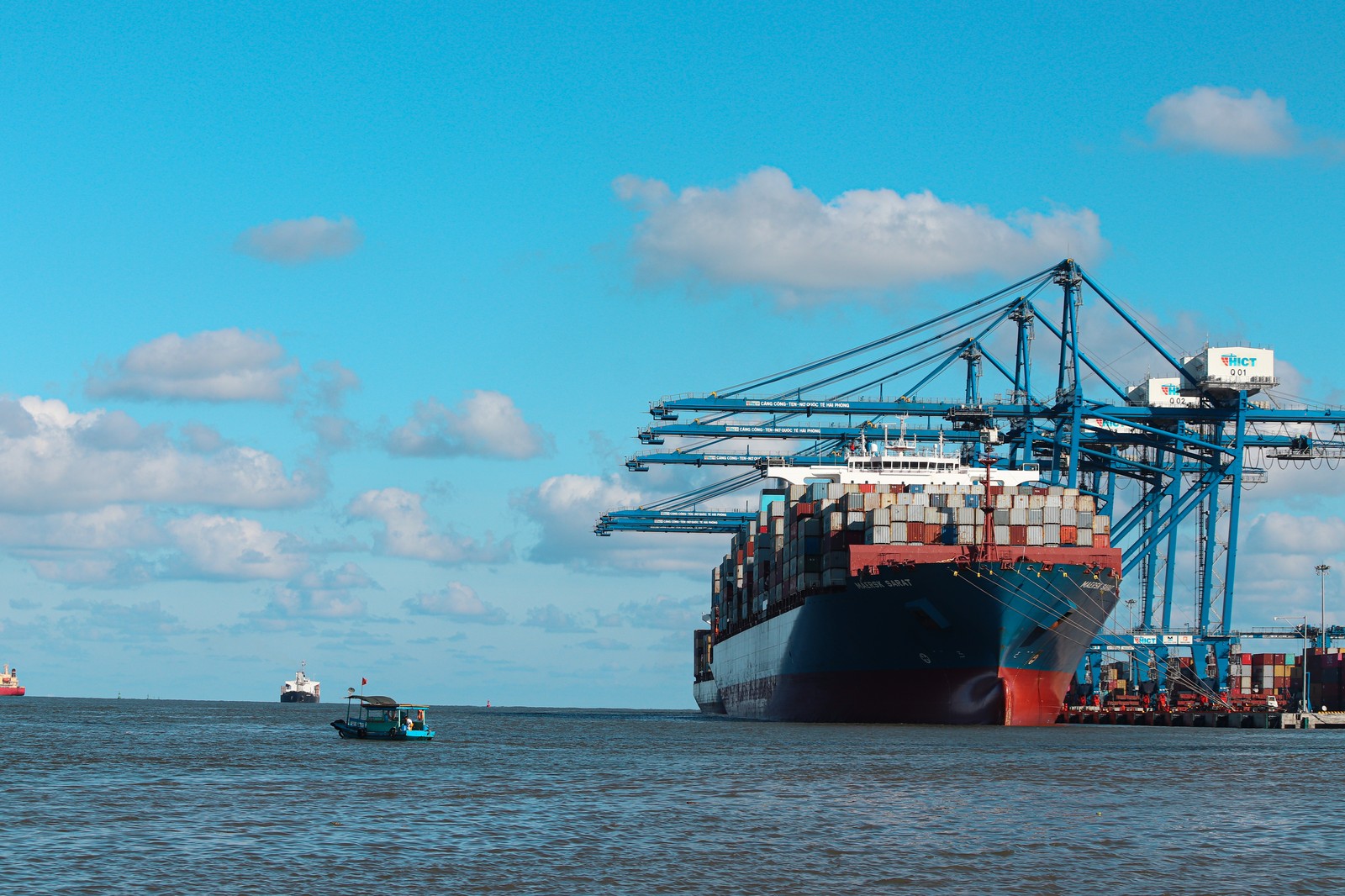
The numbers read like a page torn from the supply-chain crisis of four years ago. Ocean freight rates have jumped 201 percent, closing in on the 250 percent spike recorded at the height of the 2021 container shortage. The U.S. average price of diesel is near 6.50 dollars a gallon. And on September 18, according to Baltic Exchange data, the daily rate for a very large crude carrier on the benchmark TD3C route reached 1,241,097 dollars.
The figures come from a weekend note by Lorraine Hutchinson, a retail analyst at Bank of America, who flagged them as a pressure point for the American consumer. Most retail contracts locked in their freight prices during the spring, she wrote, so the pain has not yet reached the shelf. The businesses running on spot rates will feel it first, and she warned that the strain could harden into a headwind for 2027.
The price moves are not confined to containers. On the tanker side, the round-trip daily earnings for the West Africa to China route, known as TD15, stood near 527,477 dollars, while the U.S. Gulf to China run, TD22, came in at roughly 400,265 dollars. The Baltic Dry Index, which tracks a range of vessel types, reached 3,399 points, its highest reading since December 2023.
Shipping analysts at Thurlestone Shipping have called the current conditions a perfect storm. The explanation they offer is the collision of two forces at once: a tightening supply of ships and a simultaneous surge in demand across both major ocean basins. When both happen together, the normal cushion of idle capacity disappears, and prices are set at the margin by whoever needs a vessel most urgently.
The pressure traces back to two narrow stretches of water. At the Strait of Hormuz, a large number of vessels have been switching off their transponders and running dark, which makes the actual flow of traffic difficult for outsiders to measure. At the Bab el-Mandeb, the other end of the same sea, Houthi forces said on September 19 that they had struck what they called sensitive targets in Riyadh and a Saudi Aramco facility at Yanbu.
The Yanbu attack has moved the crisis from a logistics problem into a physical one. Aramco has told at least two European refinery customers that it will be unable to meet its crude delivery commitments next month, because the east-west pipeline that carries oil toward the Red Sea was hit. A refinery that cannot count on its contracted crude is a refinery that must buy elsewhere, and elsewhere is suddenly very expensive.
The retail chain sits a long way from Yanbu, but the two are connected by arithmetic. Diesel near 6.50 dollars a gallon works its way into every truck that carries goods to a store, and the truckers who buy that fuel are the same ones whose margins Hutchinson warned are being squeezed. The cost of moving a container is a cost of everything inside it, eventually.
The practice of running dark at Hormuz has a specific meaning in the tanker trade. A vessel that switches off its automatic identification system disappears from the public maps that trackers, insurers, and rivals rely on, and it often does so to conceal a destination or a cargo. When enough ships go dark, the visible supply shrinks even if the actual supply has not, and freight prices move on the gap between the two.
The last comparable spike is instructive. In 2021, a container shortage pushed freight rates up roughly 250 percent, and the cost worked its way into the price of everything from furniture to electronics over the following quarters. Hutchinson’s note draws the same line forward, arguing that contracts signed this spring will roll over into a far higher price when the 2027 renewals begin, and that consumers will meet the difference in the checkout aisle.
The question now is duration. If the disruption persists into the autumn and winter, analysts warn, the higher transport costs will feed directly into the 2027 contract negotiation cycle, when the freight rates locked this spring come up for renewal. A new round of contracts signed at current levels would bake the spike into prices for another year, long after the immediate cause has passed.
For now, the market is waiting to see whether the chokepoints reopen or the disruption becomes the new baseline. The last time freight behaved this way, it took two years and a recession in goods demand to bring rates back down. No one involved is predicting a quick return this time, and the ships, wherever they are sailing, are doing it in the dark. The costs they are carrying will land somewhere, and the most likely place is on a price tag months from now. The vessel that carries it will have left no trace worth reading.