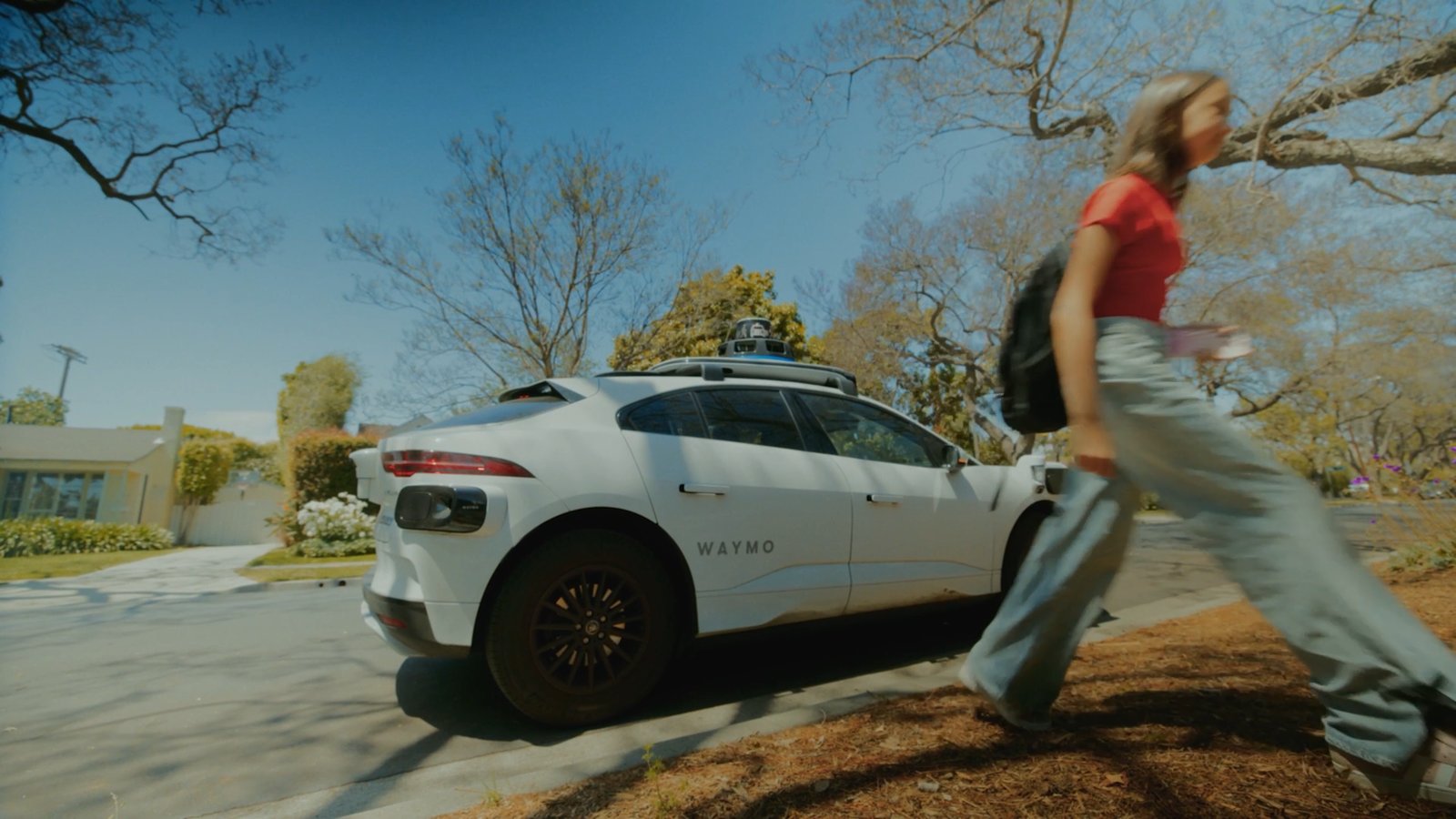
Nashville teenager Asher Huffman left a concert recently and did something that would have been unthinkable a generation ago: he opened an app and summoned a car with no driver inside. “I really enjoyed being able to hail a ride home from a concert without having to bother my parents,” he told Waymo. “Getting to play my music as loud as I want, with no one else in the car, was also awesome. Kind of like I was in my own little bubble.”
That bubble became a business on September 22, when Waymo began offering teen accounts in Nashville, letting riders ages 13 to 17 hail its driverless cars across roughly 50 square miles of the city, provided each teen is linked to a parent or guardian’s account. Nashville is the second market for the program, after Phoenix, where Alphabet’s self-driving unit first introduced teen accounts a year ago.
The rollout pushes Waymo’s customer base past the adult commuters and tourists who have filled its vehicles so far and into the most ordinary corner of family life: getting a kid from one place to another. For a company that spent years persuading regulators its cars are safe, the teenage rider poses a different question — whether parents will hand one of their most guarded chores to a machine.
Waymo’s offer is built for the adult holding the credit card. A teen account is a sub-account of a parent’s; every receipt lands in the grown-up’s inbox, and rides can be shared with family in real time. Teenagers may travel with up to three friends, each 14 or older. The company frames the service as an answer to school drop-offs, movie runs and after-school activities — the chauffeuring that eats into parents’ evenings and, the company argues, is better handled by a vehicle that never gets tired or distracted.
The move sets up a direct contest with Uber and Lyft, which for years barred unaccompanied minors. Uber opened its own teen product in 2023, letting 13-to-17-year-olds ride through a parent’s account with live trip tracking and specially vetted drivers; Lyft followed with a similar offering. Waymo enters the same turf with one difference: there is no driver to screen, only software. Analysts said that distinction cuts both ways. Parents gain certainty about who, or what, is behind the wheel; they must also accept that no adult is in the car at all.
The economics push Waymo toward families. Robotaxis earn money only when they are moving, and the afternoons, weekends and school-run windows that families occupy are precisely the hours when adult demand thins out. Teenagers may not own cars, but they generate trips, and a household that adopts Waymo for a 15-year-old is a household that may stop owning a second car altogether.
Regulators remain the gatekeeper. Arizona, where Waymo first tested the idea, imposes no blanket prohibition on unaccompanied minors in ride-hailing vehicles, which gave the company room to experiment; other states and cities have taken a more cautious view, and Waymo has been selective about where it expands the offering. The company says every teen ride is recorded, parents can follow trips in real time, and the cars themselves are monitored around the clock.
Waymo’s roots give the push a long arc. The technology began as Google’s self-driving car project in 2009 and was spun into Waymo under Alphabet in 2016. For most of that history, the company chased the ride-hailing commuter. The family market arrived late, and it arrived through the back door: parents in Phoenix began asking whether their teenagers could use the cars the adults already trusted, according to people familiar with the program’s early days.
The safety record is the pitch behind the pitch. Waymo has published reams of data arguing that its driverless miles produce fewer serious collisions than comparable human-driven miles, a claim independent researchers have generally supported, even as skeptics note that its fleet mostly avoids the trickiest roads. For parents, that data is a substitute for the thing they have always relied on: an adult they trust behind the wheel. The company is betting the numbers can do the persuading that a stranger never could.
The substitute is not free, but the company argues it is cheaper than the alternatives. A family with two cars and a 15-year-old is a family paying for insurance, maintenance and a garage space that a driverless account can replace, the company has told investors. School districts, meanwhile, face persistent bus-driver shortages, and the ride-hailing incumbents have struggled to staff the off-peak hours that teenagers fill.
The teenage market is small but symbolic. Waymo now serves riders across Phoenix, Los Angeles and San Francisco, and it has raced this year to open service in Las Vegas, Denver, San Diego and Tampa. Teens are a fraction of that ridership. But they represent something larger: the moment when a self-driving car stops being a novelty for early adopters and becomes an ordinary utility, the way families treat the minivan in the driveway.
That is the bet underneath the launch. For years the question about robotaxis was whether the technology worked. In Nashville this week the question shifted to something more mundane — whether a family will trust a robot with the pickup after soccer practice. Waymo is betting the answer is yes, one teenager at a time.