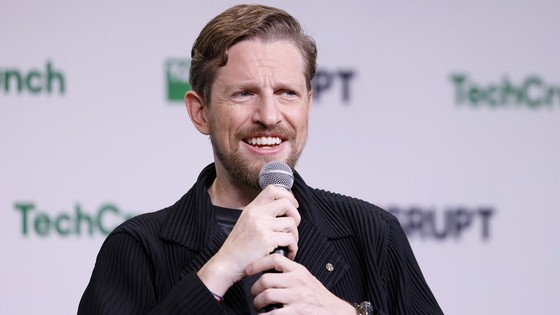
The reversal took thirty-three hours and twenty minutes. The consolidation that followed took two weeks.
On September 25, Matt Mullenweg told Automattic employees over the company’s Slack that a new board had been seated, sixteen days after directors voted to place him on paid leave in a move that would have removed him from the chief executive role. The new roster includes Hugh Howey, author of the Wool novels, writer Amy Chan, and Henry Khachatryan and Krutal Desai, two co-founders of the shut-down social app IRL. An advisory group named in the announcement includes Jaime Waydo, a former technology executive.
The sequence matters more than the names. On September 9 the board voted to put Mullenweg on paid leave, a step that would have separated him from day-to-day control of the company behind WordPress. Within a day and a half he had regained control. Directors who had opposed him then resigned or were removed, including former Automattic chief executive Toni Schneider, Sue Decker, chief financial officer Mark Davies, who had been lined up as interim chief executive, and chief legal officer Andy Missan.
Mullenweg holds 84 percent of Automattic’s voting power. He told employees that under Delaware law he is the chief executive, president, treasurer and corporate secretary. Each of those titles corresponds to a corporate office a board would normally fill or confirm, and holding all four at once leaves no internal body positioned to overrule him.
The episode is unusual mostly for its speed. Founder-versus-board fights typically play out over months, through proxy contests, litigation and negotiated settlements, and the founder often loses the first round. Mullenweg skipped the intermediate steps and used the voting power he already had.
That power reflects Automattic’s ownership history. Unlike most venture-backed companies, which issue preferred stock with board appointment rights and protective provisions, Automattic was structured in a way that left ultimate control with its founder even after raising money from institutional investors and selling shares in secondary transactions.
Governance specialists have argued for years that founder control structures work well in stable periods and become a liability in disputes, because they eliminate the mechanism a board exists to provide. The counterargument is equally familiar: the founder owns the vision, the culture and the customer relationships, and removing him destroys more value than any governance benefit is worth.
WordPress supplies the context that makes both sides plausible. The open-source project powers a large share of the web, and Automattic is its largest commercial steward. That position has made the company the target of a dispute with a hosting competitor over trademark use, a fight that played out publicly and drew criticism from parts of the community that rely on the platform.
Employees received the news the way they receive most news at the company, in Slack. The announcement named the new directors and the advisory group in the same message, and it did not describe how the departing directors’ seats came to be vacated or whether any of them resigned under protest.
Analysts said the practical consequence is that Automattic now has a board made up largely of people without a prior relationship to the company’s investors, alongside an advisory group whose authority is undefined. A board that cannot check a chief executive with 84 percent of the vote is, in operational terms, a source of advice.
Investors in the company have not publicly commented. Secondary market pricing for Automattic shares has been sparse, and the company is not obligated to disclose how its business performed during a fortnight of public turmoil that consumed its leadership.
The company’s employees have been through a turbulent year regardless of the board’s composition. Automattic’s public dispute with a rival hosting company over the use of the WordPress trademark drew attention from customers and developers, and the community that builds on the open-source project includes contributors with strong views about how it should be governed. A board seat does not answer those arguments.
The company’s technology is used by a substantial share of the world’s websites, and that reach gives its governance questions an audience beyond its shareholders. Developers who maintain plugins and themes depend on decisions made inside Automattic, and they have no vote in any of it.
Board meetings are no longer where the company’s decisions will be tested.
What the episode leaves unsettled is what happens the next time. The directors who moved against Mullenweg believed they had grounds and the authority to act, and the mechanism they relied on turned out to be unusable. Whether that produces a more stable company or simply a clearer picture of who decides is the question the last two weeks did not answer.