A week ago, Oura was a company on a schedule. The Finnish smart-ring maker had filed to sell 50 million shares at $40 to $44 apiece, a deal that would have raised as much as $2.2 billion and valued the company at close to $15.6 billion. By Monday, the schedule was gone.
Oura said it was postponing its Nasdaq debut, citing market uncertainty, less than a week after formally launching the offering. Chief executive Tom Hale framed the decision as a choice rather than a retreat. “Our mission is to empower people to live healthier, longer, and an IPO is just one step in our journey,” he said. “We have the luxury of choosing our moment.”
Oura’s financials are not the reason for the pullback. For the nine months through June, the company generated $1.2 billion in revenue, up roughly 75 percent from a year earlier, and posted a pretax profit of $107 million excluding non-cash items, according to people familiar with its books. The company has told investors to expect revenue to climb roughly 90 percent in its 2026 fiscal year.
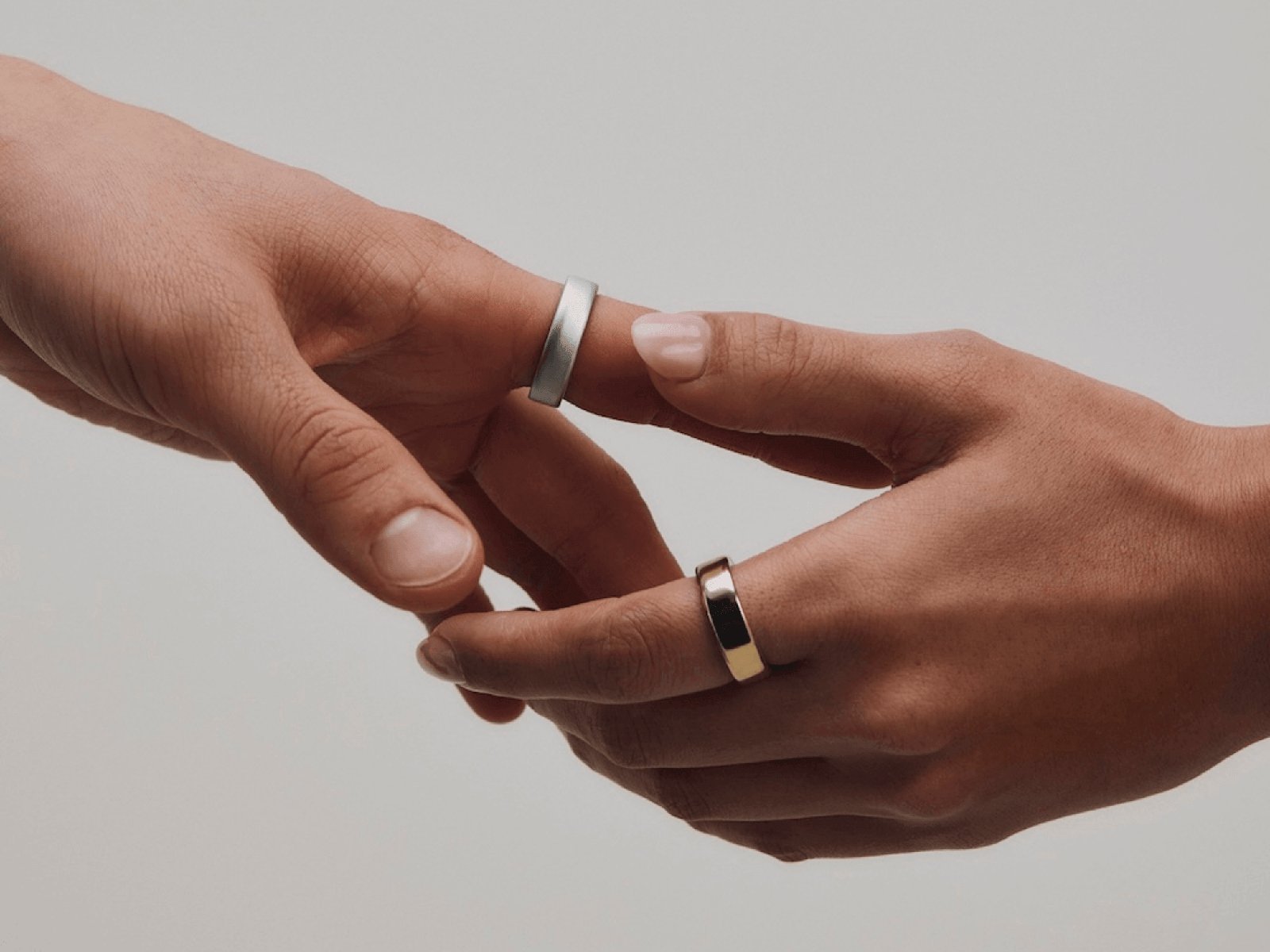
The company got its start in Finland in 2015 with a single idea: a $299 titanium ring that could read the body more cleanly from the finger than a watch could from the wrist. The first version appealed mostly to sleep researchers and biohackers. Hale, who arrived as chief executive in 2022 after stints at SurveyMonkey parent Momentive and the vacation-rental company HomeAway, set about turning that niche gadget into a subscription business.
The subscription is where the money is. Buyers pay for the ring, then pay again, $5.99 a month or $69.99 a year, for the analysis that turns heart-rate, temperature and sleep data into guidance. Oura has said it is on pace to top five million paying members, and retention runs around 85 percent, according to people familiar with the figure. The ring itself has grown from a sleep tracker into a device that watches for early signs of illness, tracks cycles and measures cardiovascular strain.
The category Oura created is no longer its own. Samsung entered with the Galaxy Ring, and the big watchmakers have been folding health tracking into devices people already wear. Oura’s answer has been to go deeper rather than wider, pitching the ring as a medical-grade instrument for women’s health and long-term recovery, where its quiet, always-on sensor has an advantage over a watch. More than 70 percent of its users are women, according to people familiar with the company’s data.
The company also moved its corporate home to the United States ahead of the filing, reincorporating in Delaware and running the business from San Francisco while keeping its research and hardware teams in Finland, according to people familiar with the change. It was a deliberate step toward the public market, the kind of housekeeping a company does when it expects bankers and index funds to examine its structure.
The delay is not really about Oura’s numbers, analysts said. It is about the kind of company Oura is. Hardware businesses live and die on repeat purchases and on converting owners into subscribers, and in late September the public market has been unwilling to pay a rich price for that model. A profitable maker of rings with a loyal base is a healthy company; it is not, this month, an easy one to float.
The backdrop is a listing market that has turned skittish. A company that reached a private valuation of about $11 billion in its last funding round and then priced its offering at a premium to that number was asking investors to stretch at a moment when the mood has cooled. People familiar with the process said the decision to pause was driven less by the company’s books than by the temperature of the room.
For investors, the risk cuts both ways. Oura’s members pay month after month, which makes its revenue more predictable than a pure gadget seller’s, but the ring is still the front door. If the company cannot keep selling hardware, the subscription base stops growing, and the math that supported a $15 billion price begins to sag.
Hale’s framing suggests the company can afford to wait. Oura does not need the capital the way a loss-making startup would, and a postponement that would wound a weaker company costs it little. The risk is different: that the window that made a roughly $15 billion valuation plausible this month will not be there when the company tries again.
What remains open is timing. Oura has said the IPO is one step in a longer journey, and it has offered no new date. A company that waited a decade to reach the public market can presumably wait a little longer. The question now is whether the market that greeted its filing warily will greet its return with more warmth, and whether a ring sold once and subscribed to monthly is the kind of story investors are ready to pay for.