
When Apple’s long-awaited smart-home devices reach store shelves, the name printed on the box will not be Apple’s. The video doorbell, the deadbolt lock and the thermostat that Bloomberg reported this week were developed through an unusual partnership with LG Electronics, and the products will carry the LG brand. LG will handle manufacturing and customer support.
The arrangement is a departure for a company that has spent two decades keeping its name on the things it sells. Apple developed the accessories with LG, according to people familiar with the matter, but chose to let the South Korean firm put its own label on them. The devices will plug into Apple’s smart-home software and work alongside a new hub the company plans to introduce on October 13.
The lineup is broader than the three headline products. Bloomberg reported that Apple and LG co-developed a wired video doorbell, a smart deadbolt lock, a thermostat and a temperature sensor, along with indoor, outdoor and floodlight cameras. In recent weeks LG has sought regulatory approval for the devices with the U.S. Federal Communications Commission and UL Solutions, and filings there list products under names such as the LG Video Doorbell Wired, LG Floodlight Cam and LG Smart Deadbolt Lock.
The devices support Wi-Fi, Bluetooth and the newer smart-home standards Thread and Matter, and the lock carries an ultra-wideband radio that could let a door open as its owner approaches. That detail points at Apple’s intent: the company wants the front door, the hallway camera and the thermostat to act as one system rather than a set of unrelated gadgets.
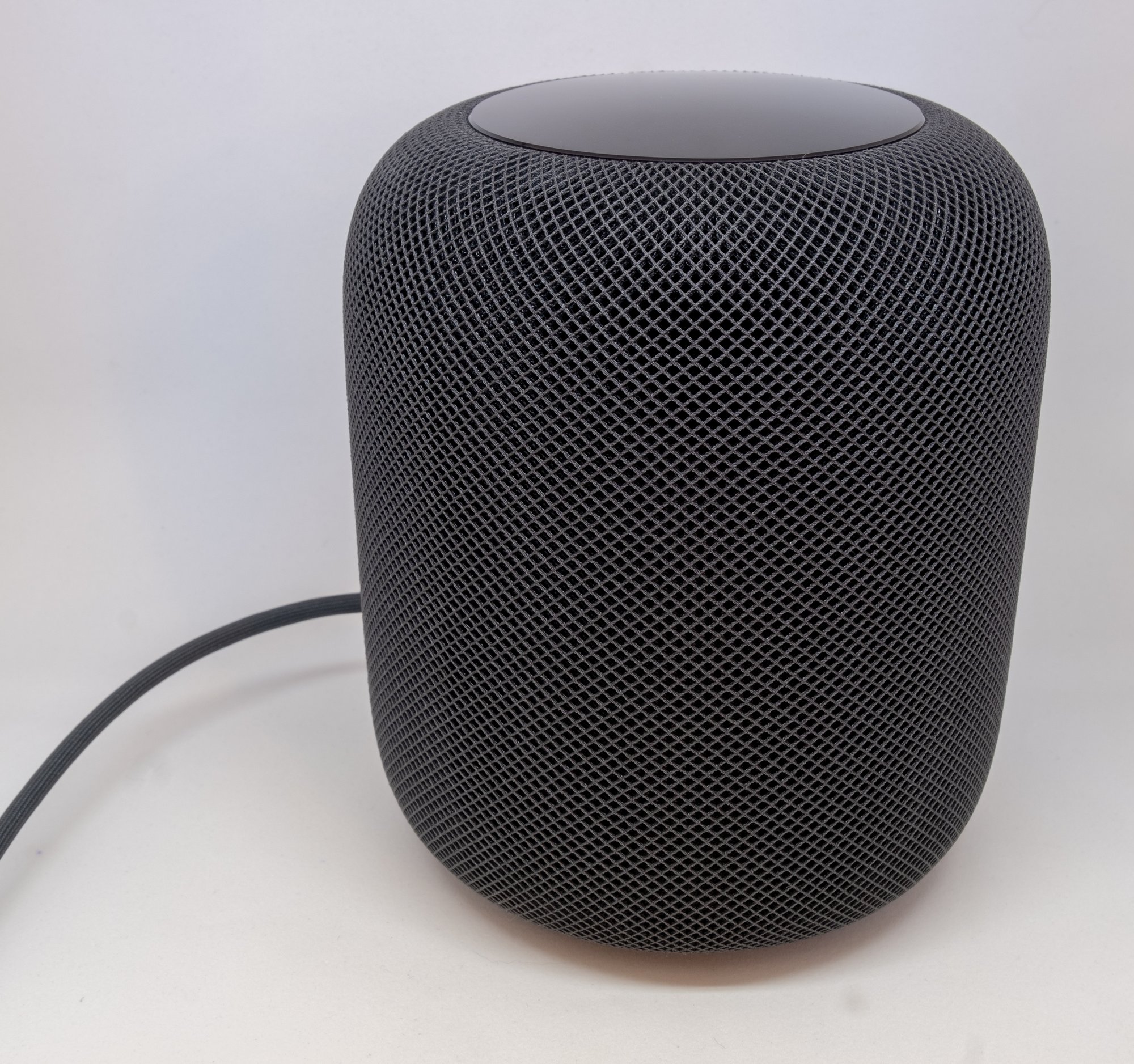
The centerpiece of the plan is a hub, long rumored and expected to be called HomePad, that would run the house from a screen and a speaker. An upgraded HomePod mini and a new television set-top box are expected to join it when Apple holds its event next week. The hub is the product Apple will show first; the LG-branded devices that attach to it will follow months later.
Apple has been circling this market for more than a decade without ever really entering it. HomeKit, its smart-home software, launched in 2014, and since then the company has mostly left the hardware to partners, selling a platform while Ring, Nest and Amazon’s Echo devices built the actual homes. The absence of first-party hardware meant Apple controlled the software but not the door. The LG partnership, framed by people familiar with the plan as a formal reboot of HomeKit, is an attempt to change that.
Apple’s record in the connected home is a string of starts and stops. The HomePod speaker arrived in 2018, was discontinued in 2021, and returned only recently in a smaller form. The Apple TV has been a living-room fixture for years without becoming the hub of anything larger. The company’s approach, praised by fans and mocked by rivals, has been to wait until it believes it can do something better, and it has watched Amazon and Google rack up homes in the meantime.
The market itself has never consolidated the way its boosters promised. A home full of smart devices often means a home full of competing apps, and the industry’s answer, a shared standard called Matter, has only begun to bridge the gaps. Apple is betting that a hub plus a line of devices that talk to each other can do what a pile of gadgets could not.
The choice to let LG carry the brand is the most interesting decision in the whole project. Apple avoids the risk of building a hardware line it has never run, while LG, which has made appliances for decades and already builds televisions, displays and home devices, supplies the manufacturing scale. For LG, the deal puts its products inside an ecosystem it could not otherwise reach. For Apple, it is a way into the market without the burden of a factory.
The products are not expected to reach consumers for at least a few more months, which means the October event will introduce the hub before the devices that attach to it. That sequencing has echoes of Apple’s approach elsewhere: sell the platform, then let the hardware follow. The difference this time is that the hardware is already filed with regulators and has names.
The stakes are the same ones Apple faces in every new market. Amazon and Google have spent years building smart-home install bases, and Apple is arriving late with a hub, a partnership and a brand that is not its own. Whether that works will depend on whether buyers care more about the logo on the box than about the software that makes the door open.



