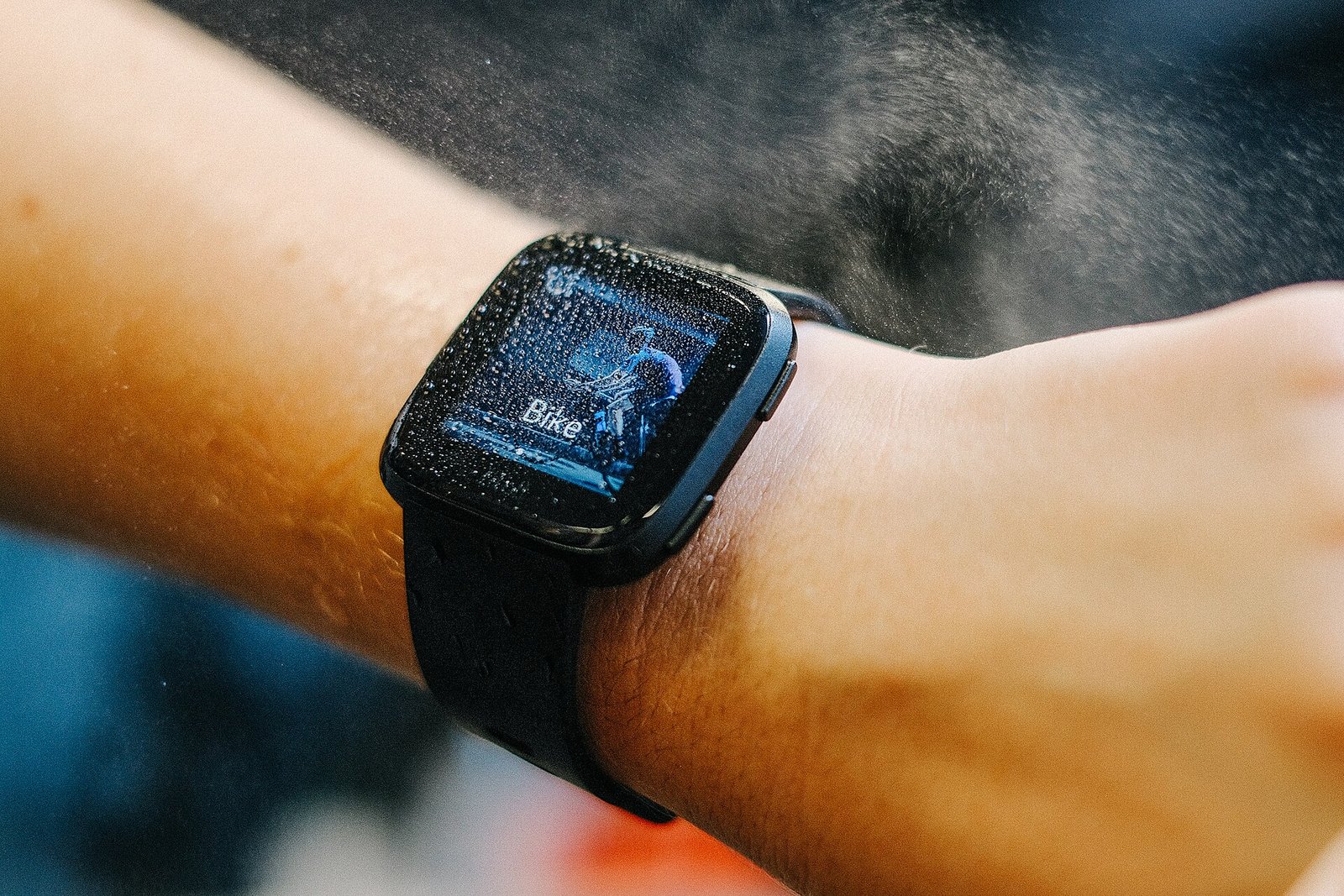
The teaser was a single line. “Get an Edge on your health. 10.12.26.” On October 9, Google posted it from the Google Health account, and the message settled weeks of leaks: a new Fitbit device called the Edge would be unveiled on October 12. The short clip said almost nothing, but the device it points to is already well understood from retail images, regulatory filings and a steady drip of reports.
The Fitbit Edge is a fitness band with a screen. Leaked specifications describe a 1.34-inch AMOLED touchscreen, built-in GPS, an altimeter, and the health sensors Fitbit has spent years refining: ECG, blood-oxygen and skin-temperature tracking. Battery life is put at up to seven days, and the body reportedly weighs about 17.7 grams, light for a band with a display.
Crucially, the Edge does not run Wear OS, Google’s full smartwatch platform. It pairs through the Google Health app and works with both Android and iOS, the same arrangement as the screenless Fitbit Air that Google released earlier. The Edge is a tracker, not a watch, but it carries the display that the brand has been missing.
The device sits in a gap Google has deliberately opened. The Fitbit Air, at $99, is a bare-bones band with no screen. The Pixel Watch 5 starts at $399. Between them there is room for a device that shows notifications, maps and music controls without the price of a full smartwatch. Reports place the Edge around $149 to $199, with European leaks at €179, a notch above the Charge 6 it succeeds.
The screen also matters for the subscription that sits behind Fitbit. Google has spent years pushing Fitbit Premium, a paid service that layers guided workouts, sleep coaching and wellness reports on top of the free tracking. A band with a display gives that subscription a place to live, where a screenless tracker can only show a number and point a user toward their phone.
The return to a screen matters because of what it says about the Fitbit brand. Google bought Fitbit in a deal that closed in January 2021, paying roughly $2.1 billion for a name that once led wearable fitness. Since then the brand has been quiet, squeezed between Google’s Pixel Watch ambitions and a crowded market of cheap bands from Chinese manufacturers.
Fitbit’s heyday was built on the Charge and Versa lines, slim trackers and affordable smartwatches that sold in the tens of millions. The Charge 6, the last mainstream Fitbit band, arrived in 2023 with a small display. After that, Google steered most of its wearables energy into the Pixel Watch, and the Fitbit name receded to the health-tracking layer that sits inside Google’s ecosystem.
The Edge reads as a correction. A band with an always-on display, notification support, and a small app selection including maps, music controls and a find-my-phone feature is a modernized Charge, pitched at people who want a health tracker without paying watch money. It is also a way for Google to hold the sub-$200 shelf against Apple’s aging SE and a wave of bargain trackers.
The timing is pointed. Wearables have been one of the quieter corners of Google’s hardware lineup this year, and the Pixel Watch is a niche seller next to Apple and Samsung. Reviving Fitbit with a screen, and doing it with a two-word teaser rather than a launch event, suggests Google wants the brand back in the conversation without betting a whole keynote on it.
Google has said nothing about price, specifications or availability beyond the date. The leaks are consistent but unconfirmed, and the company has a habit of letting the rumor mill do the work before a product lands. The October 12 reveal should settle the details; until then the Edge is a name and a date.
The bigger question is whether a screen is enough.
The move also pulls Fitbit back into a fight Google had largely ceded. Apple and Samsung own the smartwatch shelf, and budget brands from Amazfit to Xiaomi own the low end. Fitbit’s advantage has always been its decade of health data and the trust that came with it. A band near $180 with a screen is Google’s attempt to convert that legacy into hardware share again, without asking the brand to be something it is not.
The reveal itself will be spare by design: a two-line teaser from the Google Health account, a Monday launch, and a product page that goes live on October 12. For a device like this, the announcement matters less than the price and the reviews that follow it. The band market has split into commodity trackers under $40 and smartwatches at $400 and up, and the space between has been hard to hold profitably. Fitbit is betting that its health pedigree, plus a screen, can justify a band near $180 in that middle ground. Whether buyers agree is the question the October 12 launch will start to answer.