
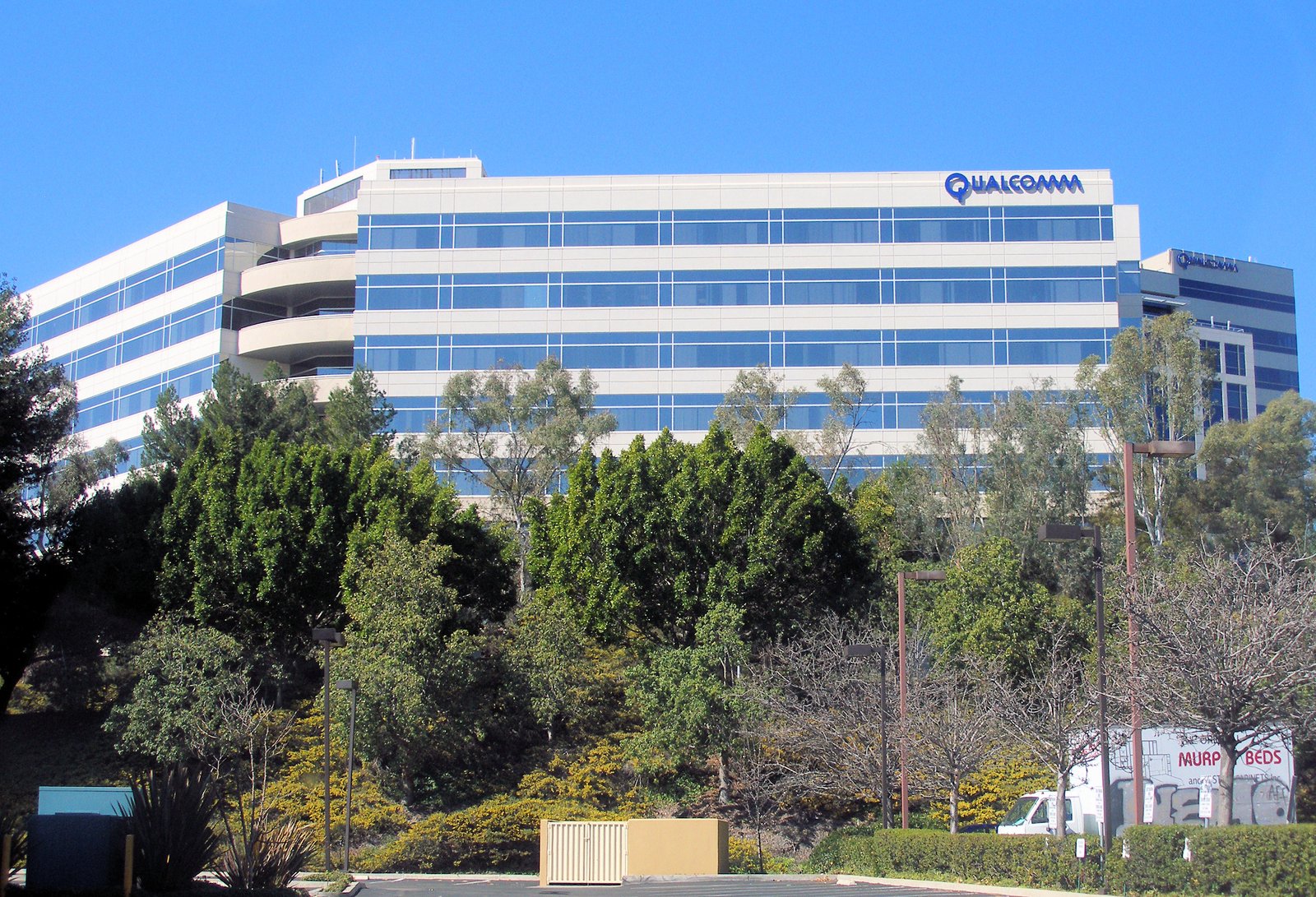
For five days a Delaware courtroom heard the argument, and on the morning of October 9 the twelve people who will decide it were sent to deliberate. At stake in the fight between Qualcomm and Arm is a sum measured in billions: whether Qualcomm can stop paying royalties to the British chip designer for up to five years.
The dispute is a contract fight, but it touches the architecture that powers nearly every smartphone on the planet. Arm designs the instruction sets and licenses them; Qualcomm, one of Arm’s largest customers, buys the right to build chips on them. Their current agreement runs through 2033. What the jury is now weighing is whether Arm broke its side of that bargain.
Qualcomm’s case rests on three claims. First, that Arm withheld software patches and chip-testing tools the contract required, slowing Qualcomm’s own chip work. Second, that Arm leaked its 2024 threat to terminate Qualcomm’s architecture license to the press, poisoning a chip deal Qualcomm was negotiating with Meta. Third, that Arm violated a clause requiring it to give Qualcomm pricing no more than 10 percent above its best terms.
The Meta deal is the concrete measure of damages. Qualcomm’s lawyer, Karen Dunn, told the jury the company was on the cusp of an agreement with Meta when Arm’s termination notice surfaced in the media. By the time the deal closed, its value had fallen by $170 million, Qualcomm says, because Meta worried it could lose access to Arm’s technology. “Delay is costly,” Dunn said.
Arm disputes the link. Its lawyer, Gregg LoCascio, told the jury that what actually changed was Meta’s product strategy, a shift from virtual-reality headsets toward AI glasses, and that Meta sought to renegotiate the chip terms as a result. In Arm’s telling, the leaked letter was not the cause of the smaller deal, and Qualcomm’s claimed losses are speculative.
The bigger prize sits behind the Meta dispute. Qualcomm is asking to stop paying Arm royalties for up to five years. Analysts put those payments at roughly $300 million a year, which would make the remedy worth about $1.5 billion. Reuters has calculated the waiver period at about 70 percent of the remaining term of the license.
Judge Maryellen Noreika is weighing whether that five-year provision can stand. If she throws it out, Qualcomm would be limited to a smaller damages claim, the difference between a headline number and a footnote. A point of law could decide the size of the case before the jury decides who was right.
The trial is the latest chapter in a feud that has run for years. The two companies fell out over Qualcomm’s 2021 acquisition of Nuvia, a startup that held an Arm license, with Arm arguing the license did not transfer. Arm sued in 2022, and Qualcomm won a key ruling in 2024. The relationship survived, but the goodwill did not.
The origin of the feud is a single acquisition. In 2021 Qualcomm paid $1.4 billion for Nuvia, a startup founded by former Apple chip engineers that held an Arm architecture license. Arm argued the license did not carry over and demanded Qualcomm destroy Nuvia’s designs. Qualcomm refused, and the first court fight ended in a jury verdict for Qualcomm in late 2024, leaving the two companies bound together but openly hostile.
Beneath the legal claims is a business tension neither side states plainly. Arm has pushed to charge more for its technology, moving up the value chain from licensing to complete chip designs. Qualcomm, which designs its own cores under Arm’s top-tier architecture license, has pushed back. The pricing fight over Nuvia and the Meta deal is, in effect, a fight over how much Arm’s architecture is worth.
A verdict is expected next week, and both companies have framed the stakes in their own terms.
The case also tests how Arm gets paid. Arm earns a licensing fee when a company signs up and a royalty, typically a fraction of each chip’s price, when that chip ships. Qualcomm’s push to withhold royalties for five years strikes at the second stream, the one that scales with the entire smartphone market. For Arm, which has told investors its future growth runs through higher royalty rates, the verdict is a direct question about its pricing power.
What the jury returns will be a verdict on contract terms, not on strategy, but the two are hard to separate. If Qualcomm wins the tool and leak claims and the five-year waiver stands, Arm’s most important customer will have rewritten the economics of their relationship by force. If Arm wins, the company can argue its licensing model survived its hardest test. Either way, the number on the verdict form will be read as a price tag for the architecture the whole industry builds on. For Arm, the case threatens a revenue stream that underlies its valuation. For Qualcomm, it is a test of whether its largest supplier can be held to the letter of a contract. The jury’s answer will not end the feud, but it will set the price of the next round.



