
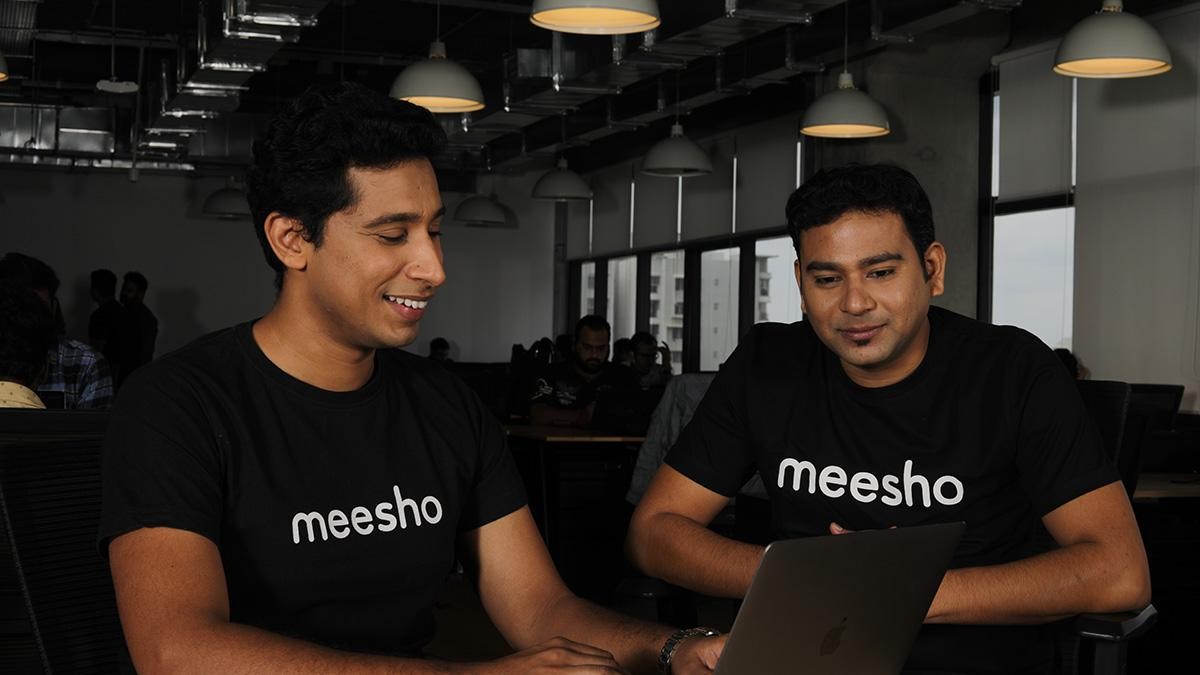
The block trade that crossed on Nov 15 was small enough to be missed. SoftBank sold shares in Meesho worth about 18.85 billion rupees, or roughly $212 million, trimming a position it has been reducing for the better part of a year.
According to people familiar with the transaction, the sale was arranged as a block deal, the mechanism large holders use to move a chunk of stock to institutional buyers in a single transaction rather than through the market over weeks. The discount such deals require is the price of certainty: the seller knows the size of the exit before it begins.
For SoftBank, the size is the point. A $212 million sale does not close a position or end a relationship. It is a drip, and the pattern of drips over the past year says more about the group’s thinking than any single trade.
The Indian portfolio has been shrinking since the Vision Fund’s best years ended. SoftBank has been exiting local internet companies in sequence, converting stakes built between 2015 and 2021 into cash and moving that cash toward artificial intelligence infrastructure and computing projects in the United States. The two halves of that sentence are one decision, not two.
Meesho sits in the part of the Indian market that SoftBank once found most attractive. The company runs a marketplace built around resellers, the small merchants and social sellers who account for a large share of online commerce in smaller Indian towns. It grew by reaching buyers that Amazon and Flipkart served thinly, and it grew on discounts funded by exactly the kind of capital SoftBank supplied.
That model has since been asked to prove it can make money. Indian e-commerce has spent a decade buying volume, and the investors who funded the buying now want a path to margin. For a holder with a fixed fund life, the choice is to wait for that path or to sell into whatever liquidity exists.
Analysts said the Meesho sale is best read as portfolio maintenance rather than a verdict on the company. A stake that is being trimmed in slices is a stake whose owner has decided the capital has a better use elsewhere, which is a different statement from a decision that the asset is broken. The distinction rarely survives the headlines that follow a block deal.
The better use is not hard to identify. SoftBank has committed capital to AI infrastructure at a scale that makes its Indian internet holdings look like small change, and its founder has been explicit that the group’s future is tied to computing capacity rather than consumer marketplaces. Every rupee released from an Indian stake is a rupee that can be pledged to that thesis.
There is a timing element as well. Indian public markets have absorbed a heavy supply of paper from founders and early investors over the past two years, and buyers have become pickier about the discounts they will accept. A seller who wants out of a position has an interest in starting early and moving in pieces, before the queue of other sellers lengthens.
For Meesho, the read-through is narrower. A shareholder selling 1% or 2% of a company does not change its strategy, its burn rate or its competitive position. What it changes is the register: every block deal puts shares in the hands of investors with a shorter horizon and a lower tolerance for a quarter that misses.
The company’s own problem is the one every marketplace in India now faces. Growth in the smaller towns it built its business on is real but expensive to serve, and the unit economics improve slowly when the average order value is low and the delivery cost is not. Discounting bought the scale; margin has to be earned from operations.
SoftBank has not commented on the sale beyond what the transaction discloses, and Meesho has not either. That silence is standard. Neither party gains from describing a stake sale as a signal, and both gain from describing it as routine.
The wider question is what the group’s Indian retreat leaves behind. SoftBank was for a decade the largest single source of late-stage capital for Indian consumer internet, and the companies it backed set the tone for how the sector raised money, hired and priced. A SoftBank that is a marginal seller rather than a lead investor changes the terms for everyone still raising.
None of this happens quickly. Stakes of the size SoftBank accumulated cannot be sold in one trade without moving the price against the seller, and the group has shown it is willing to take years. What the market gets instead is a series of dates like Nov 15, each one small, each one reducing the position a little further.
The trades will keep arriving while the AI commitments keep growing. For the companies on the other side of the register, the message is simpler than the analysis: the patient money that once funded their growth has found something it likes better.



