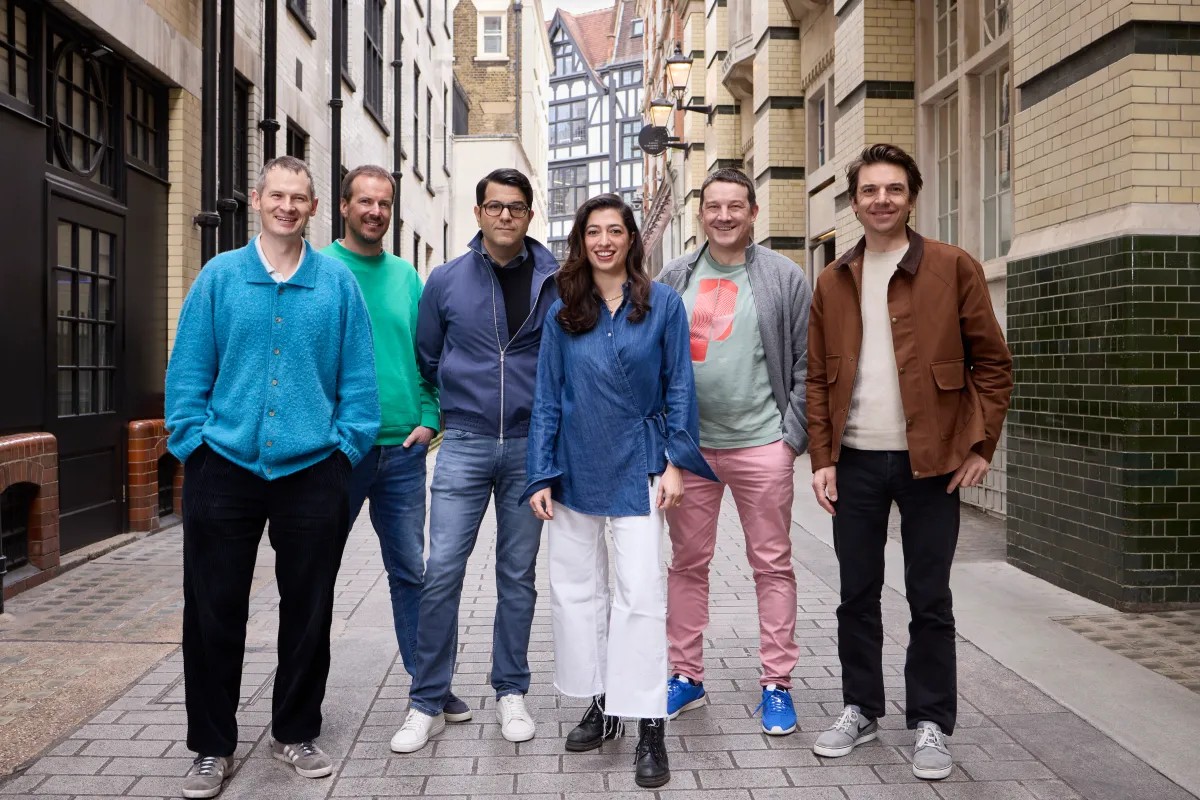
Plural, the London early-stage investor, closed a €1 billion ($1.1 billion) fund on Nov. 16, nearly four times the €260 million it raised for its first vehicle in 2022 and twice the €500 million second fund it closed in 2024.
The fund was set up and backed by a group of entrepreneurs and executives rather than a pension book, and it writes early checks into AI, robotics and deep tech across Europe. Helsing, the defence AI company, counts among its previous investments. The sectors the firm names are ones where a company can spend years before revenue arrives, which is why it raises money before it needs it.
Three funds in four years, each one larger than the last, is a different pattern from the one European venture has run for most of the past decade. Fund sizes usually move in steps tied to realized returns; here they moved in multiples tied to conviction about a sector that had few local backers.
Deep tech is why the size matters. A robotics or semiconductor startup burns capital for years before it ships anything, and the first check is rarely the last. A pool that can follow its own companies through two or three rounds keeps the terms of those rounds in European hands.
That is the argument European founders have heard for years and rarely been able to act on. The typical path has been an early round from a local fund and a later, larger round led from the United States, with the price, the board seat and the preference stack all set abroad.
Plural’s own record suggests where the new money points. Helsing builds software for defence, a category that spent years on the edge of what European institutional money would touch and now attracts sovereign interest and a queue of willing buyers.
Defence investing carries political risk that consumer software does not. Mandates written before 2022 often exclude weapons work, and a fund holding a defence asset has to explain that holding to every future limited partner it approaches, including public bodies with procurement rules attached.
The firm did not disclose a per-company investment cap or the life of the new fund. Those two numbers decide how the money behaves: a short life pushes a manager toward later-stage deals, and a high cap concentrates the pool into fewer, larger bets.
For an early-stage vehicle, the undisclosed reserve policy matters as much as the total. A €1 billion fund that holds back a large share for follow-ons behaves like a smaller fund with a large option attached, and founders feel that difference at the second round.
The timing is deliberate in at least one respect. European venture has spent two years in a market where exits were scarce and cash returned to backers was thin, and a fund this size is a bet that the next cycle begins in the categories Plural already knows well.
Robotics and AI also happen to be the two categories where American capital has been most willing to cross the Atlantic. A larger European pool does not remove that competition, but it changes who fields the first term sheet and who sets the valuation everyone else reacts to.
There is a limit to what size buys. Early-stage returns come from a handful of companies, and a bigger fund needs more of them to move the total. The pressure to write larger checks into less proven teams grows with every euro committed to the pool.
Europe’s exit market is the constraint no fund size fixes. Acquisitions have carried most of the liquidity, and a public listing for a deep tech company remains rare enough that each one gets treated as a test case for the whole asset class. A fund that has to sell too early converts a good outcome into an average one.
The announcement named AI, robotics and deep tech as the focus and disclosed no target return, no sector quotas and no portfolio companies for the new vehicle. That leaves deployment pace as the first thing outside investors can actually measure against the pitch.
Comparisons will land on the 2022 fund. That €260 million vehicle was the firm’s first, and its performance will decide whether the €1 billion is read as discipline or as a manager scaling on a story. A first fund carries the track record that later funds are judged against.
Founders should read the number as bargaining power in a negotiation. A local lead able to write a large follow-on without syndicating does not have to accept the terms a cross-border investor would set, and that changes the arithmetic of staying independent through a downturn.
What to watch next is the first three deals from the new fund. Their sizes will show whether Plural intends to compete for later rounds or to stay where it started, and the answer decides whether this is a larger version of the same firm or a different one.