
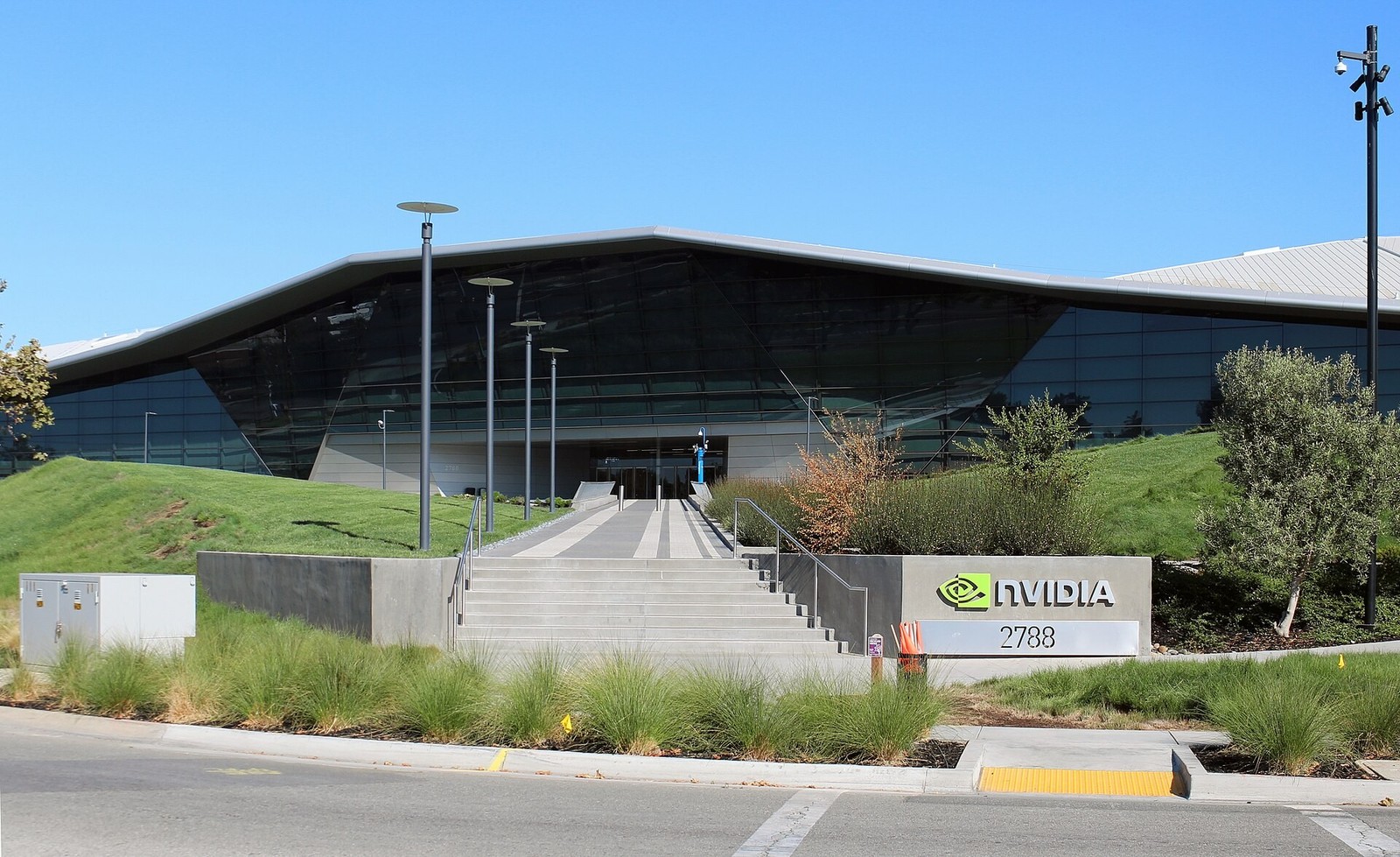
The question reached Nvidia’s directors within days of Jensen Huang’s resignation, and the answer was no. The board is not considering bringing him back as chief executive, according to a person familiar with the matter, a position first reported by CNBC on Nov 16.
Colette Kress, who was the company’s finance chief, continues to hold the interim role. She will face investors on the quarterly call after the close on Nov 17, when the company reports results for the quarter that ended in October.
That call was always going to be the most scrutinized ninety minutes of the company’s year. It is now something narrower and harder: a test of whether the numbers can carry a company through a leadership vacuum, delivered by an executive who did not expect to be delivering them.
The consensus forecast has revenue near $109.1 billion, with earnings per share up about 90% from a year earlier. Those figures describe a business that has not yet been asked to prove anything about its management. The demand that produced them was contracted before the resignation, and the chips that will produce next quarter’s revenue are already in production.
What the quarter cannot show is the thing investors most want to know, which is what the company looks like in a year. Guidance for the January quarter will be read less as a forecast than as an answer to whether the organization can plan without its founder. Procurement decisions at the large cloud operators run on multi-year horizons. A customer committing to a new cluster is committing to a supplier’s roadmap, and a roadmap is a promise about execution made by people whose names most customers do not know.
Nvidia has spent three decades as a founder-led company, and that shaped how it made decisions. Product cycles were set by a chief executive who had opinions about transistor budgets, and the company’s willingness to enter markets before they existed, from gaming to accelerated computing, came from a leader with enough ownership to survive being wrong for several years. Boards that inherit that arrangement usually find the transition difficult, because the authority was personal rather than procedural.
The board’s choice is the conservative one. Kress knows the numbers, the analysts and the contracts. She does not have to be introduced to the business, and in a quarter when the only thing that matters is credibility with investors, familiarity is an asset. The risk is that an interim chief runs an interim company, deferring the strategic calls that a permanent leader would make, and that the deferral becomes visible in the guidance.
The second strand of the story concerns Megaspeed, an Nvidia partner under investigation over how its hardware reached customers. Multiple US agencies have said the inquiry began in 2024, which puts the start of the scrutiny well before the resignation. Congressional investigations into export compliance are ongoing in both chambers.
That timeline is the detail that matters for anyone assembling a causal story. If the investigation predates the departure by more than a year, it cannot be the event that triggered it. It can still be a factor in how the company is governed, and it will certainly be a factor in how the quarter is questioned.
Third-party channels are the soft spot in any export control regime. A chip sold to a licensed distributor is difficult to track once it leaves a warehouse, and the compliance function at the manufacturer depends on audits, paperwork and the willingness of partners to be audited. Nvidia has argued that its controls are tighter than the industry’s. Investigators are testing that claim, and the test will outlast whoever runs the company.
Analysts will press on three things. The first is the succession process: whether the board has a shortlist, whether it is looking outside the company, and on what timetable. The second is whether any customer has paused orders pending clarity. The third is the revenue attributable to resellers, a number the company has not historically broken out and one that the investigation makes relevant.
None of those questions has a comfortable answer, and an interim chief is the wrong person to give one. That is the structural problem with the board’s decision. It buys stability in the quarter and leaves the uncertainty in place for the year, which is the period over which capital spending is decided.
There is a defensible case for waiting. A search conducted in the two weeks after a founder’s exit produces a candidate chosen for continuity rather than capability, and the company’s competitive position depends on technical judgment at the top. Boards that move slowly in these situations often end up with a better leader and a worse interim.
The counter-case is that the market will not wait. Nvidia’s shares trade on expectations set years out, and those expectations are anchored to a person as much as to a product line. Every quarter that passes without a permanent chief is a quarter in which the company’s biggest customers have to decide whether to keep betting on a roadmap whose author is gone.
Kress will take the call with the numbers in hand. Revenue near $109.1 billion and profit growth near 90% are not the answers to the questions being asked, but they are the only answers available on a Tuesday evening in November. The rest will have to wait for a board that has said, for now, that it is not in a hurry.



