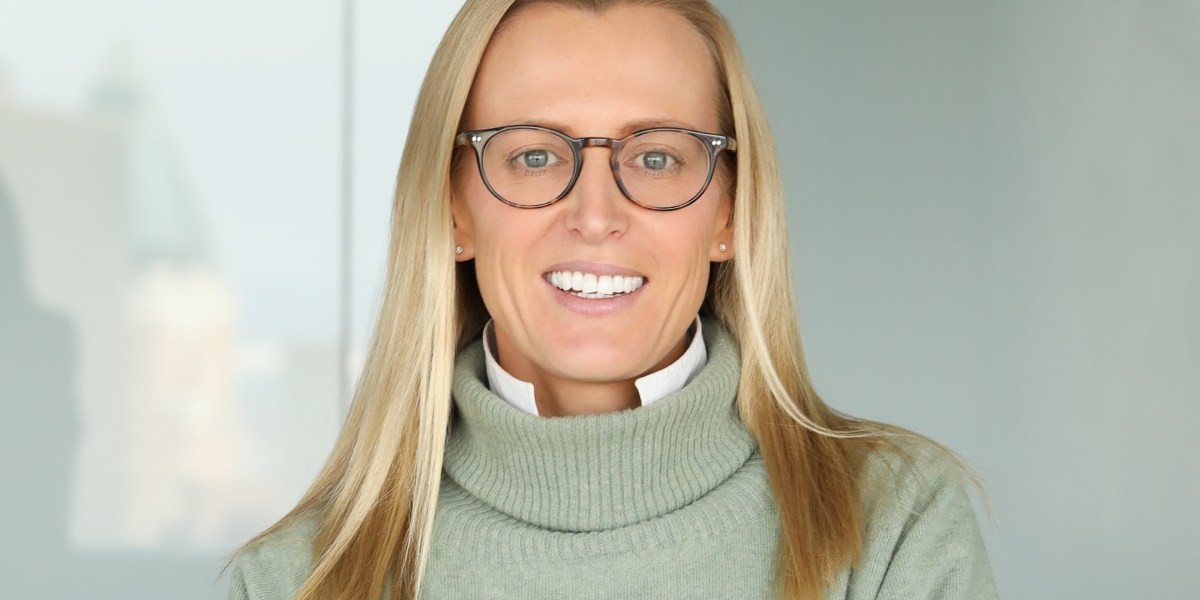
Jamie Dimon signed off on a handover this week that says more about the next five years at JPMorgan Chase than about the next five quarters. The bank named its investment banking finance chief, Ms. de Best, as its next chief financial officer, putting a 43-year-old Dutch national in charge of the largest balance sheet in American banking.
The mechanics are deliberate. Jeremy Barnum, 54, moves to vice chairman, keeps the CFO title until the first-quarter earnings report next year, and then hands over the numbers. He is expected to leave the bank in early 2028. The overlap is intentional, and it keeps the outgoing finance chief available through a full reporting cycle.
What changes hands is not a reporting job. The CFO at JPMorgan supervises regulatory capital, presents the quarterly earnings call and runs relationships with global investors, which in practice means explaining to shareholders why a bank of this size should be allowed to stay this size.
The balance sheet she inherits is $5.1 trillion, larger than the annual output of most countries and roughly the size of the assets of the next two American banks combined. Every decision about capital return, credit standards and trading inventory passes through that number. She will also have to defend its size to supervisors who would prefer it smaller.
The motive behind the timing is succession, though nobody at the bank will use that word. Dimon has run JPMorgan for twenty years, and the CFO seat has long been one of the two or three jobs from which a chief executive is credibly drawn. Moving a rising executive into it a year before the handover is expected gives her time to be tested in public.
It is also the second senior change this year. Marianne Lake, who ran the consumer bank, left in June, and the bank has since reshuffled responsibilities across its operating committees. Two changes in one year at that level is more than this institution usually shows.
Compare the rest of Wall Street and the pattern is familiar. Large banks have spent the past several years promoting finance chiefs from inside rather than hiring from rivals, on the theory that capital rules are now so bespoke that only an insider can explain them to a regulator. JPMorgan followed that logic, choosing a candidate who has already run the finance function of its most complicated division.
That division is the commercial and investment bank, which generates the largest share of the group’s revenue and almost all of its volatility. A CFO who has modeled trading inventory, underwritten loan commitments and priced syndicated risk arrives with a view of the balance sheet that a controller never gets.
Analysts said the choice points to continuity rather than a change of strategy. The bank’s capital position is strong, its buyback program is running, and the questions investors ask are about credit quality and the cost of deposits, not about direction.
The job is harder than it looks. Regulators are still rewriting the capital rules that apply to the largest banks, and the final version will determine how much capital JPMorgan must hold against trading and lending exposures. Whichever way that lands, the CFO will be the person who tells the market what it costs.
Then there is the earnings call, which at this bank functions as a semi-annual seminar on the American economy. Barnum has used it to set expectations about net interest income and credit losses. His successor will have to do the same with less of a public record behind her.
The costs of the arrangement are visible in the org chart. The commercial and investment bank now has no permanent finance chief, and the bank said the seat will be filled early in 2027, which leaves a division that produces most of the profit reporting to an interim appointment during the year-end close.
Her compensation was not disclosed, and the bank did not say whether the package includes retention terms that would tie her to the role through the transition. For a bank this size, the number matters less to shareholders than the signal it sends about how long she is expected to stay. The bank declined to comment beyond its statement.
There is also the question the bank will not answer. Naming a 43-year-old to the CFO role keeps the internal bench deep and the succession options open, and it avoids anointing anyone publicly. Dimon has given no timetable, and this move does not create one.
For shareholders the read is narrow and testable: watch whether capital return guidance survives the next rules update, and whether the bank holds its net interest income forecast when the deposit mix shifts. The person answering those questions changes in the first quarter. The questions do not.