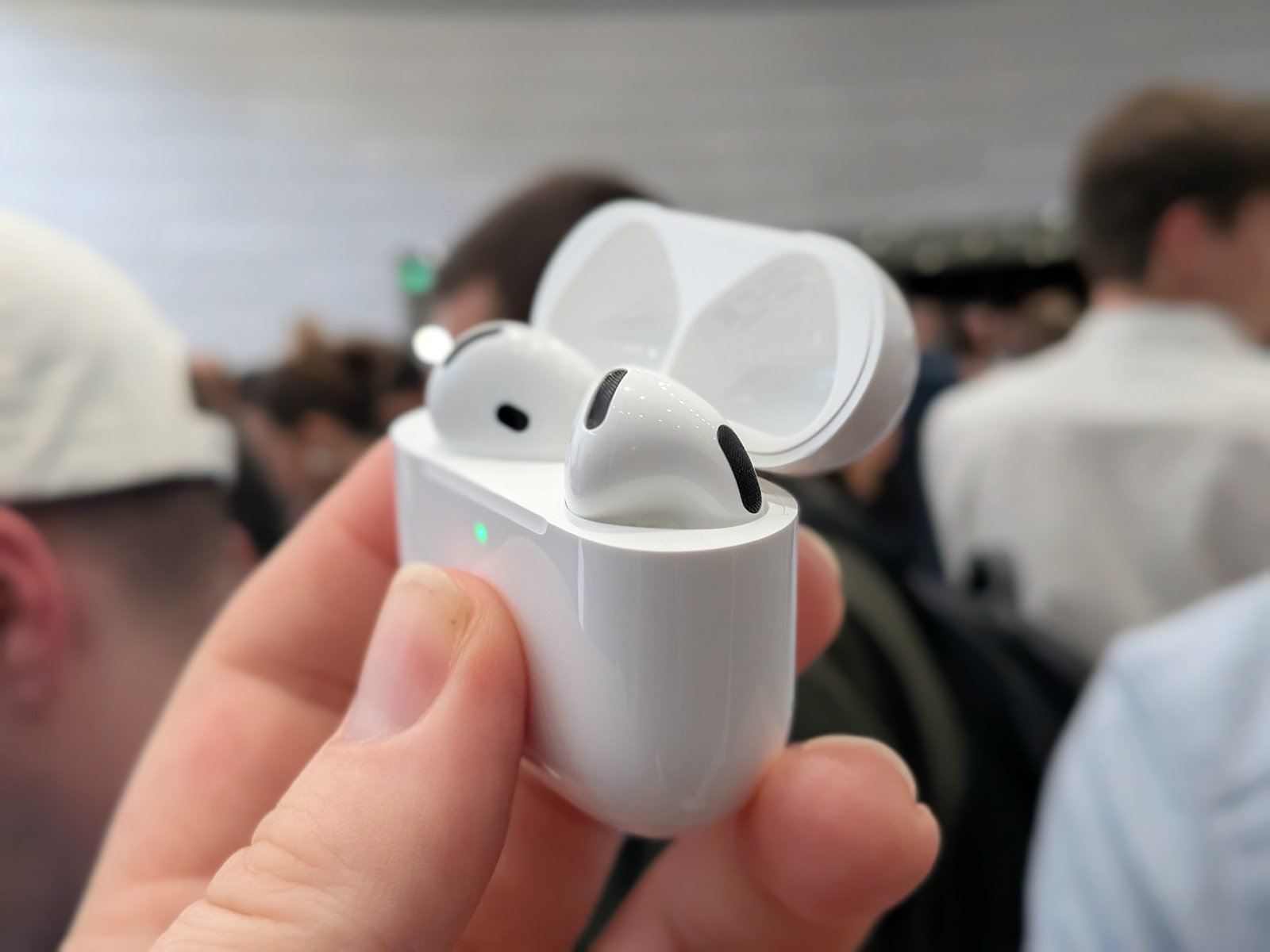
The product reveal came in a file most people will never open. MacRumors, sifting through the demo video inside the macOS Tahoe 26.7 release candidate, found footage of AirPods fitted with cameras, hardware Apple has never announced, apparently bound for integration with the company’s Visual Intelligence features so that Siri can identify what the wearer is looking at. The same codebase carried traces of a foldable iPhone, the site reported on Aug. 17.
The leak is the kind Apple hates most, not because it reveals a single product, but because it reveals the direction of the whole lineup. Camera-equipped AirPods would make the ear a visual input channel, an always-on sensor that captures what the wearer sees and feeds it to Apple’s on-device intelligence. The foldable iPhone traces point to the company’s biggest hardware bet in years. Together, the two hints describe a company that is putting cameras and AI into everything it makes.
The AirPods camera idea has circulated inside the industry for years. Cameras in the ear solve a problem that phones cannot: they sit where the user is looking, without requiring the user to hold anything. Paired with Visual Intelligence, the feature Apple introduced to let the iPhone camera identify objects, translate text, and answer questions about the world, earbuds could extend that capability to every moment of the day, hands-free and eyes-free.
The privacy implications are the obvious concern. A camera worn on the ear is a camera pointed at the world from the user’s own head, and the question of who sees the footage, where it is processed, and what happens to the recordings will be central to how the product is received. Apple’s standard answer, on-device processing and minimal data retention, will be tested harder here than it has been with phones, because an always-on wearable camera changes the social contract in a way a phone camera does not.
The foldable iPhone traces are the more consequential signal. Apple has been reported for years to be preparing a foldable device, and the appearance of traces in the same software build as the camera AirPods suggests the two products are moving through development together. A foldable iPhone would be Apple’s largest hardware launch since the original device defined the modern smartphone, and its panel supply, expected to come from Samsung Display, has been the subject of industry speculation for months.
The leak itself is a measure of how much Apple’s secrecy system has changed. The company once controlled product information with a discipline that was itself a competitive advantage, but the shift to software-delivered features has opened new channels for leaks. Demo videos, code strings, and configuration files inside operating system updates are now inspected line by line by the technology press, and every release candidate carries the risk of exposing what the hardware teams are building.
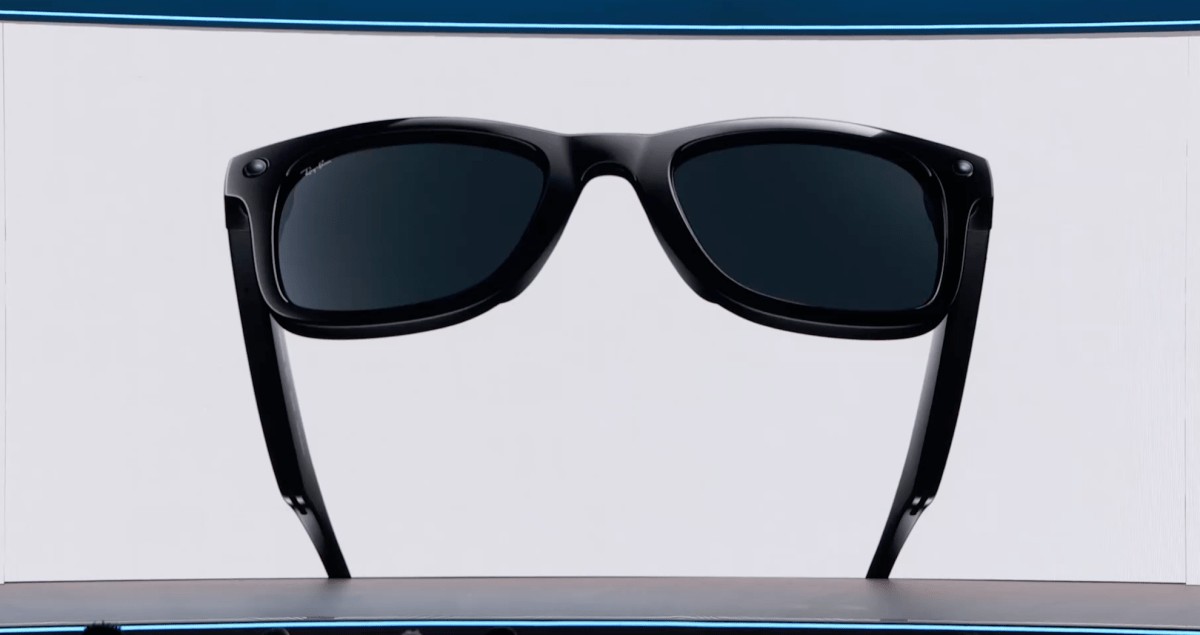
Analysts said the camera AirPods, if they ship, would be Apple’s entry into the wearable-computing competition that the industry expects to define the next decade. Smart glasses from other companies have struggled with the balance between capability and social acceptability, and earbuds, which people already wear constantly, avoid part of that problem. The question is whether a camera in the ear crosses a line that glasses have already stumbled over.
For Apple, the stakes are the same as they have always been: controlling the interface between the user and the digital world. The company has moved that interface from desktop to pocket, and the camera AirPods point to the next move, from pocket to ear. The leak has taken some of the surprise out of the announcement, but it has also confirmed that the company is building toward a future in which the device you wear knows what you are looking at. That future is closer than the secrecy system would like.
The leak is consistent with Apple’s broader push into ambient intelligence. The company has been adding cameras and sensors to every device it sells, treating visual data as the raw material for the on-device AI features that differentiate its products, and a camera in the ear completes a picture that began with the phone camera and extends to watches and glasses in development. Analysts said the AirPods cameras would let Apple extend Visual Intelligence to contexts where holding a phone is impossible or inappropriate, from cooking to walking to meetings.
The foldable traces are the bigger story for investors. Apple’s first foldable device has been the subject of supply chain speculation for more than a year, with reports pointing to a large-screen device that would finally put Apple in a category where rivals have sold millions of units, and the appearance of traces in the same software build suggests development is well advanced. The device’s panel supply is expected to come from Samsung Display, which has been preparing capacity for the order.
The secrecy breach itself is a data point. Apple’s product information once leaked through factories and suppliers; now it leaks through software, because the company ships features to existing devices that are built on code shared across the lineup. The camera AirPods are coming, the foldable is coming, and the update files that preview them will keep getting read, line by line, until Apple finds a way to ship software without shipping its secrets.