The deal was signed on a Sunday and announced the same day. Space42, an Abu Dhabi-based artificial intelligence and space technology company, and Viasat, the American satellite operator, said on September 14 that they will build a joint platform called Equatys. The venture will combine space and ground infrastructure to extend mobile coverage into places ground networks do not reach.
Each company will commit an initial $400 million in equity, according to a statement. Space42 is expected to invest a further $200 million in a later equity round that will be opened to third-party investors. Viasat is expected to be named the platform’s main technology contractor, the statement said.
The total puts the first phase of the venture around $1 billion, a meaningful sum in a satellite industry that has consolidated rapidly and now competes for direct-to-device business against the largest players in the field. The money will fund the integration of the two companies’ networks rather than a new constellation built from scratch.
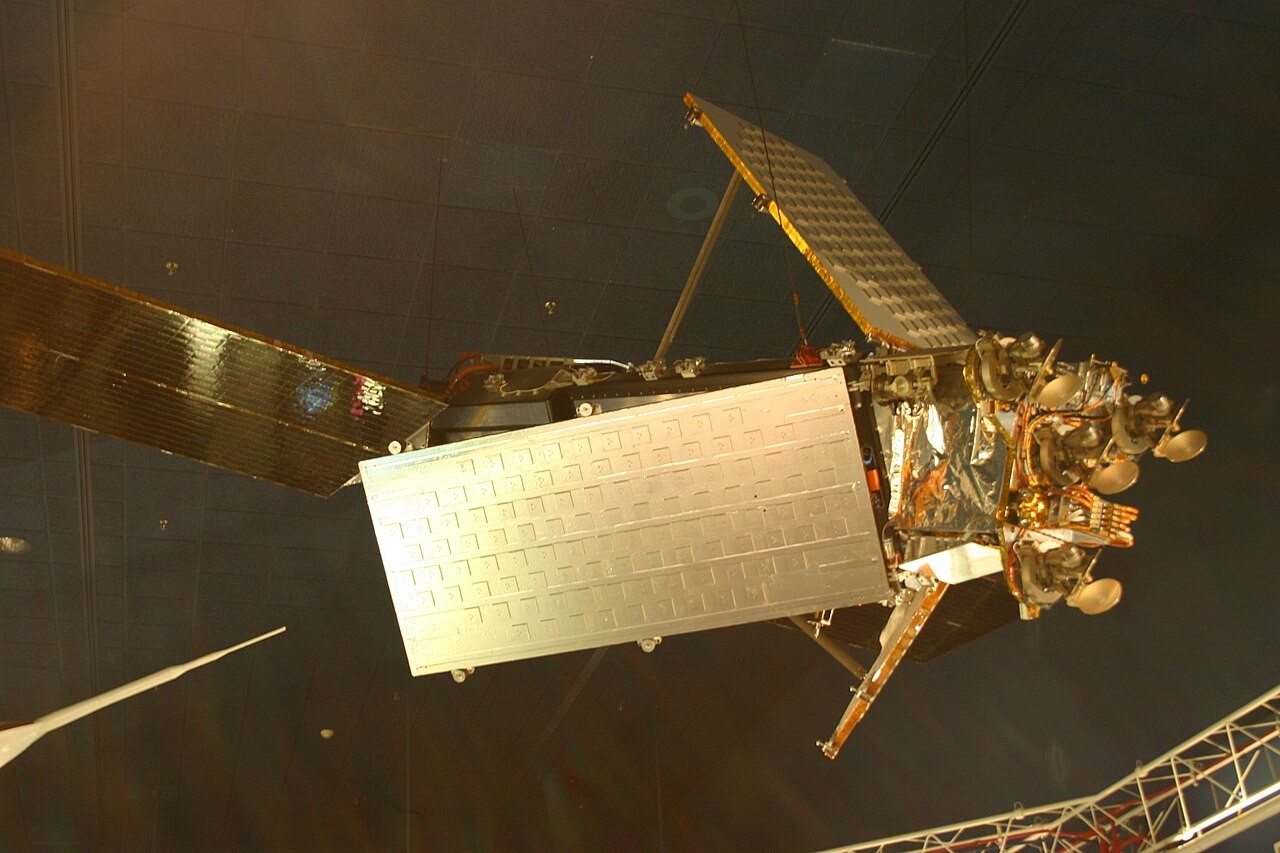
Equatys is aimed at what the industry calls non-terrestrial networks: satellites that reach phones and terminals in areas where towers are absent, expensive or impractical. The market has drawn attention because it promises coverage over oceans, mountains and remote regions, and because the technology has finally matured enough to be sold.
Space42 brings a particular angle. The company was formed in 2024 from the merger of Bayanat, a geospatial AI firm, and Yahsat, the Emirati satellite operator. Its pitch has been to apply artificial intelligence to satellite data and services, and the Viasat partnership extends that ambition into mobile connectivity.
Space42 is listed on the Abu Dhabi Securities Exchange and counts the emirate’s sovereign and state-linked investors among its backers. That gives it access to patient capital that Western operators often lack, and it has allowed the company to pursue multi-year infrastructure bets without the pressure of quarterly earnings.
Viasat brings scale and spectrum. The California company bought Inmarsat in 2023, adding maritime and aviation connectivity to its broadband business, and it operates a large fleet of geostationary satellites. Its role as technology contractor suggests it will supply much of the engineering and the orbital assets behind the platform.
Viasat’s path has been different from its new partner’s. The Inmarsat acquisition loaded the company with debt, and it has spent the years since paying that down and integrating the two networks. A partnership that brings in outside equity, rather than requiring new borrowing, fits a company still working through its balance sheet.
The partnership is also a response to competition. SpaceX’s Starlink has reset expectations for satellite connectivity, and other companies are racing to serve phones directly from orbit. A joint platform backed by a sovereign-linked operator and a major incumbent is an attempt to assemble a credible alternative without one party bearing the cost alone.
The structure keeps the venture at arm’s length. By creating Equatys as a separate entity and opening a later round to outside investors, Space42 and Viasat can fund expansion without loading debt onto their own balance sheets. Third-party investors would get exposure to a connectivity business rather than to either parent.
Analysts estimate the direct-to-device market could be worth tens of billions of dollars a year by the end of the decade, though forecasts vary widely and depend on how quickly phones can use satellite links without specialized hardware. The race has drawn SpaceX, AST SpaceMobile and a lengthening list of incumbents.
The economics remain unproven. Extending mobile coverage from space requires terminals, spectrum deals and agreements with mobile operators, none of which happen quickly. Analysts said the platform’s success will depend less on the technology than on how many carriers and governments agree to route traffic through it.
The mobile operator piece is the linchpin. Direct-to-device services need partnerships with telecom companies that control the customers, and those operators have shown caution about ceding a revenue stream to satellite providers. Equatys will have to persuade them that the satellite layer is a complement rather than a competitor.
The regulatory path adds another layer. Spectrum for satellite-to-phone service is contested, and approvals vary by country. Both companies hold existing licenses and relationships that will help, but scaling a global service still means clearing regulatory hurdles in each market the platform enters.
The deal also fits a broader pattern of Gulf investment in space and connectivity. Abu Dhabi and its neighbors have used sovereign capital to enter industries from semiconductors to satellites, and the region’s operators have grown more willing to partner with Western incumbents rather than build alone.
Space42’s emphasis on artificial intelligence distinguishes the venture from pure connectivity plays. The company has argued that AI can improve how satellite capacity is allocated, how networks are managed and how the data flowing through them is used. Whether that translates into a commercial edge is still being tested.
The announcement offered no timeline for when Equatys will begin commercial service or how the network will be phased. People familiar with the arrangement said the two sides are still working through the technical and commercial details, and the equity commitments are the first concrete step in a multi-year effort.
What the deal signals is that the race to connect the unconnected is drawing in more than the usual suspects. A $1 billion commitment between a Gulf operator and an American incumbent shows the market is still being divided up, and that neither company intends to sit that contest out.