Firmus, an Australian operator of data centers built for artificial intelligence workloads, plans to test public markets before the end of October. The company is targeting an initial public offering that could raise as much as $5 billion, Bloomberg reported on September 14, citing people familiar with the matter. If the deal prices near that figure, it would stand among the largest listings in Australian history.
The timing is deliberate. Data center assets have commanded steep valuations through the current AI spending cycle, as cloud providers and model developers sign long-term leases for computing space. Firmus is moving while that window remains open, rather than waiting to see whether investor appetite cools.
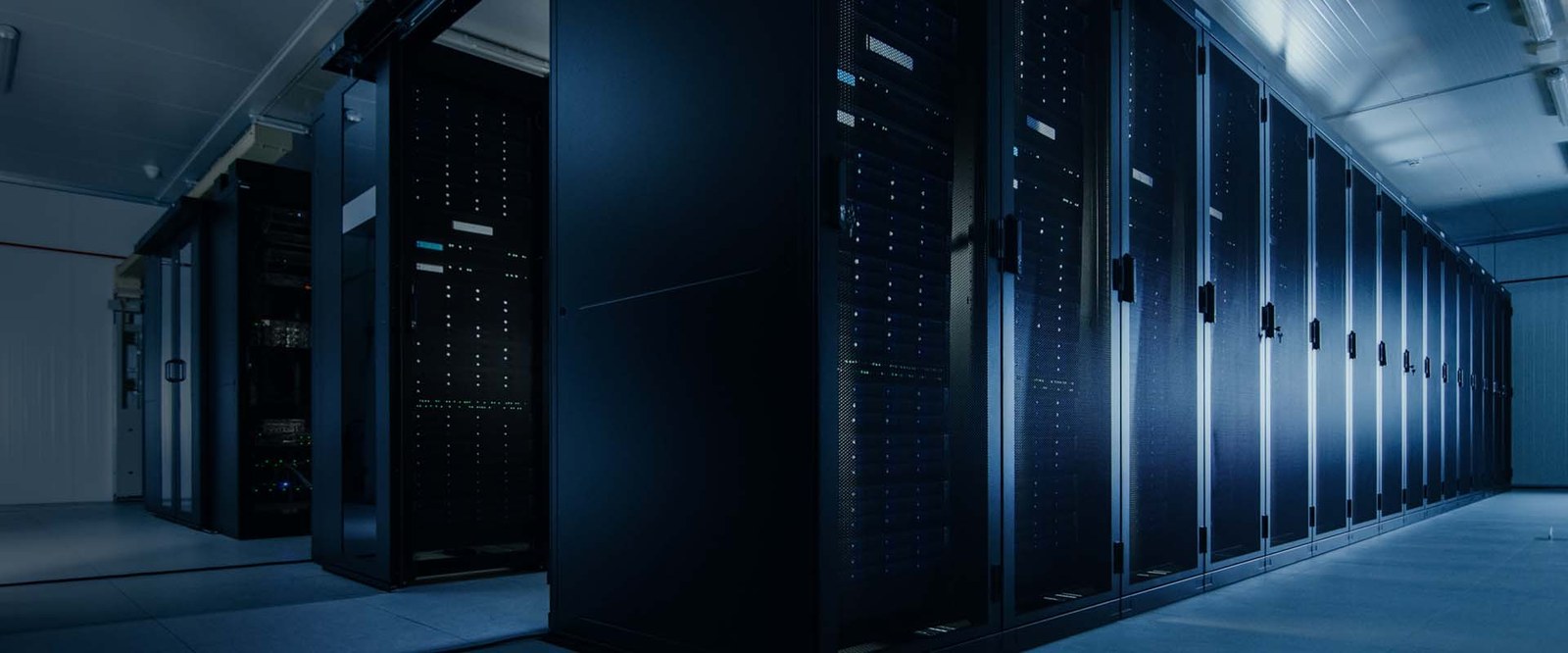
The company sits at the physical layer of the AI economy. Its facilities house the servers and networking equipment that large customers rent to run training and inference workloads. That business has become one of the few ways public investors can buy direct exposure to AI infrastructure without betting on a single chipmaker or cloud vendor.
Australia has turned into a favored destination for such investment. Global cloud providers have announced large Australian builds in recent years, drawn by the country’s energy resources, available land, and proximity to Asian demand. State and federal officials have spent months working out how to supply power to a wave of new facilities.
Firmus has leaned on energy as its differentiator, according to people familiar with the company. Operators that can secure power and grid connections ahead of competitors command a premium, because electricity, not real estate, has become the binding constraint on the industry’s growth. A data center without a firm power commitment is, in the current market, a building without a purpose.
The most direct comparable came in 2024, when Blackstone agreed to acquire AirTrunk, another Australian data center operator, in a deal that valued the company at more than A$24 billion. That transaction reset expectations for what private buyers would pay for Australian computing assets and pushed rivals to consider their own exit routes.
The listing would also join a small but growing group of public data center operators. Specialized real estate investment trusts and infrastructure funds tied to data centers have become popular proxies for the AI trade, and their shares have broadly outperformed the wider market since the AI buildout began.
Analysts said a Firmus listing would offer a fresh read on how public markets value data center operators at a moment when private markets have been generous. Several listed peers trade at premiums to the value of their underlying property, a pattern that has encouraged operators to pursue public exits.
For several quarters, the data center sector has been one of the few corners of the technology trade that produces dependable cash flow. Customers sign leases that stretch a decade or more, and the land and power capacity beneath a facility grow scarcer as grids strain to keep pace. That scarcity, rather than the servers inside, is what investors increasingly pay for.
Investors weighing the offering will look first at contracted revenue and the creditworthiness of the company’s tenants, analysts said. Data center operators earn their valuations through long-term leases with large customers, and a listing’s reception often depends on how much of future revenue is already locked in.
The test carries risks. Data center stocks have swung in recent weeks as investors argue over whether AI capital spending can sustain its current pace. A successful debut would signal that the boom in physical computing infrastructure still has room to run in public markets; a weak one would send the opposite message.
The listing also arrives amid a running debate over AI capital spending. Some investors have questioned whether the billions flowing into AI infrastructure can be recovered, and a prominent recent call for the leading AI labs to slow their expansion rattled chip and data center stocks across Asia, Europe, and the United States.
People familiar with the plans cautioned that terms could still change and that a listing of this size would depend on market conditions at the time. The company has not yet set a final price range, according to the report.
What is clear is that appetite for data center assets remains strong among a narrow set of large buyers. Pension funds, sovereign wealth funds, and infrastructure investors have all chased the sector, betting that demand for computing space will keep rising even as the mix of AI spending shifts.
A Firmus offering would put that thesis to a wider audience. The question is whether ordinary equity investors share the conviction that private capital has shown, or whether they will demand a discount to the valuations that buyout firms have been willing to pay.
The answer matters beyond one company. Public listings have become a way for the AI infrastructure trade to recycle capital, letting early backers sell and new investors buy. If that channel stays open, the building boom can continue; if it closes, the sector’s most aggressive builders will have to slow down.