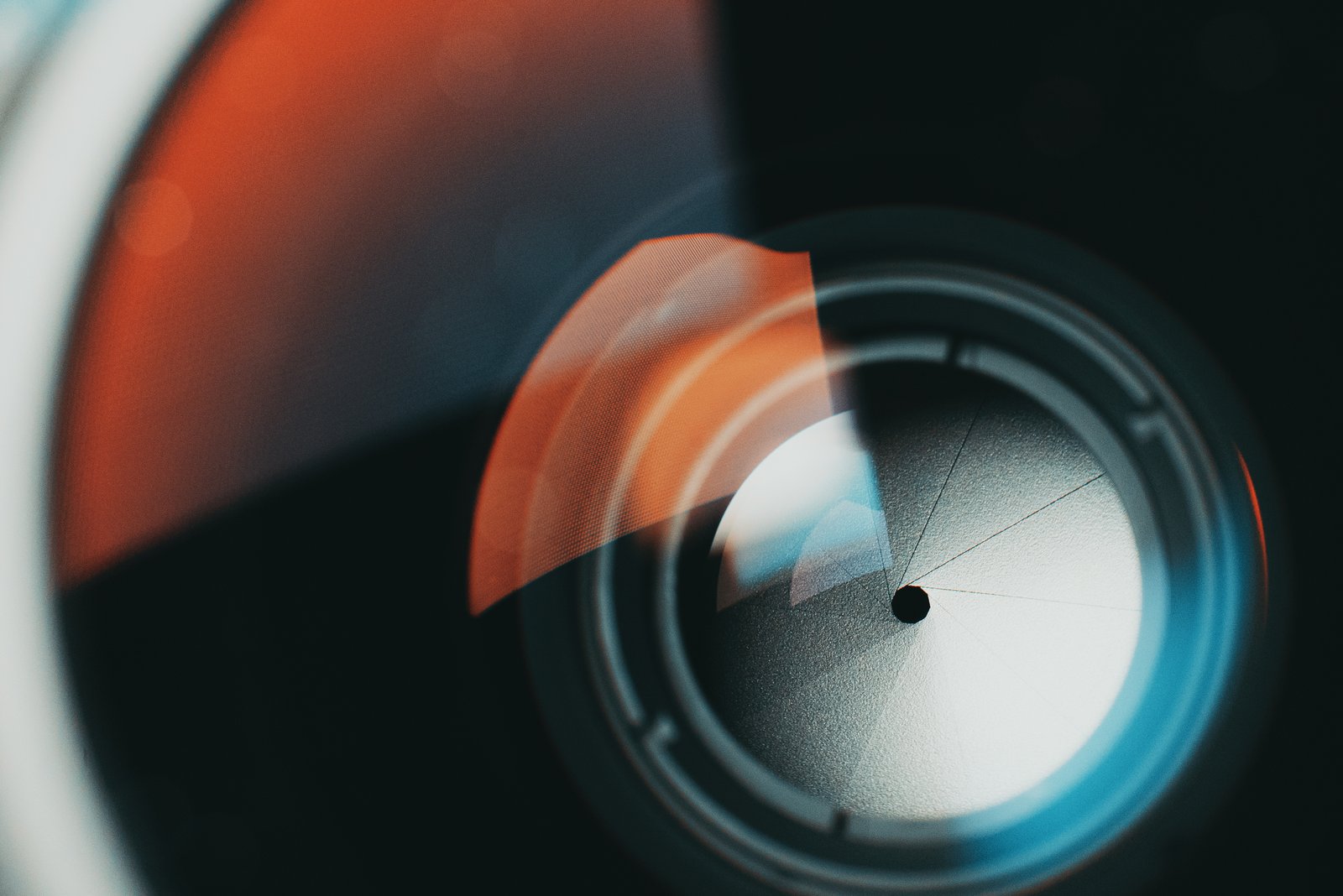
The company sits in Los Altos, a quiet patch of California, and for most of its life it has worked on a single, unglamorous problem: how to make phone cameras see better. On September 14, The Wall Street Journal reported that OpenAI had quietly bought the company, Glass Imaging, for more than $300 million.
The deal had not been disclosed. Glass Imaging was founded in 2019 by two former Apple engineers who had led the team behind the iPhone’s Portrait Mode, the software trick that blurred backgrounds and made a phone lens behave like a professional camera. That pedigree, more than any product, is what OpenAI was paying for.
The price is striking because of how little the startup had raised. Glass Imaging had collected roughly $30 million in total funding before the acquisition, according to the report. A buyer paying more than ten times that amount is not buying revenue. It is buying talent and a specific technical capability.
OpenAI declined to comment. But the purchase makes sense only in the context of the company’s first hardware device. OpenAI has been reported to be planning a movable, speaker-like product for next year, and imaging is a piece of that puzzle that cannot be skipped.
Any device that sits in a home and interacts with people will need cameras, and cameras need the kind of computational photography that Glass Imaging’s founders spent their Apple years perfecting. OpenAI could license the technology from someone else, but it appears to have decided to own it instead.
The acquisition is part of a quiet hardware push. OpenAI has spent the past year assembling the pieces of a device business while saying almost nothing about it publicly. Buying a camera startup is the kind of move that only becomes legible when the product finally ships.
Analysts read the deal as a signal about where OpenAI thinks its next product lives. For two years the company has sold access to models that run in the cloud. The next thing it sells, the reasoning goes, will sit in a customer’s hand, and that thing will need to see.
There is a deeper strategic point. The most valuable AI companies have begun to conclude that the model alone is not the product. Hardware gives them a direct channel to users, a way to escape the margin squeeze of selling tokens, and a surface on which their own models are the default.
Glass Imaging brings more than founders. Its work on mobile imaging touches the entire pipeline, from sensors through to the software that turns raw light into a usable picture. For a hardware team starting from scratch, that removes years of trial and error.
The deal also says something about the market’s view of talent. A company that raised $30 million and built a specialized camera stack was worth more than $300 million to a buyer with a specific hole to fill. Specialized teams, not general headcount, are what command the premium now.
OpenAI is not the only model company eyeing hardware. The broader trend, according to people familiar with the industry, is that frontier labs are moving down the stack toward devices, either through partnerships or outright acquisition, as the cost of compute keeps rising and the value shifts to distribution.
Whether the device ships on time is a separate question. Hardware is unforgiving, and OpenAI has no track record in it. The imaging purchase removes one risk but leaves many others, from supply chains to software integration to the simple question of whether people want another speaker in their home.
Portrait Mode was more than a feature; it was a proof that software could do what lenses could not. Apple’s ability to turn a phone camera into a credible portrait camera with computation, not optics, changed the industry, and the team that did it became one of the most sought-after in mobile imaging. OpenAI has now bought that expertise outright.
The reported device is the other half of the story. A movable, speaker-like product would spend its life in a home, pointed at people, and a camera would be its primary way of understanding its surroundings. That is not a peripheral feature. It is the device’s senses, and OpenAI has decided the senses are worth more than $300 million.
The deal also reads as a statement about the company’s ceiling in software. Selling access to a model is a good business while the model is scarce, but scarcity fades. A device with a camera, a speaker, and a direct relationship to a household is a durable channel, and OpenAI is quietly assembling the pieces to own one.
What the acquisition makes clear is the direction. OpenAI has decided that its next product will not live only in a data center. It will have a lens, and the company has now bought the people who know how to make that lens see.