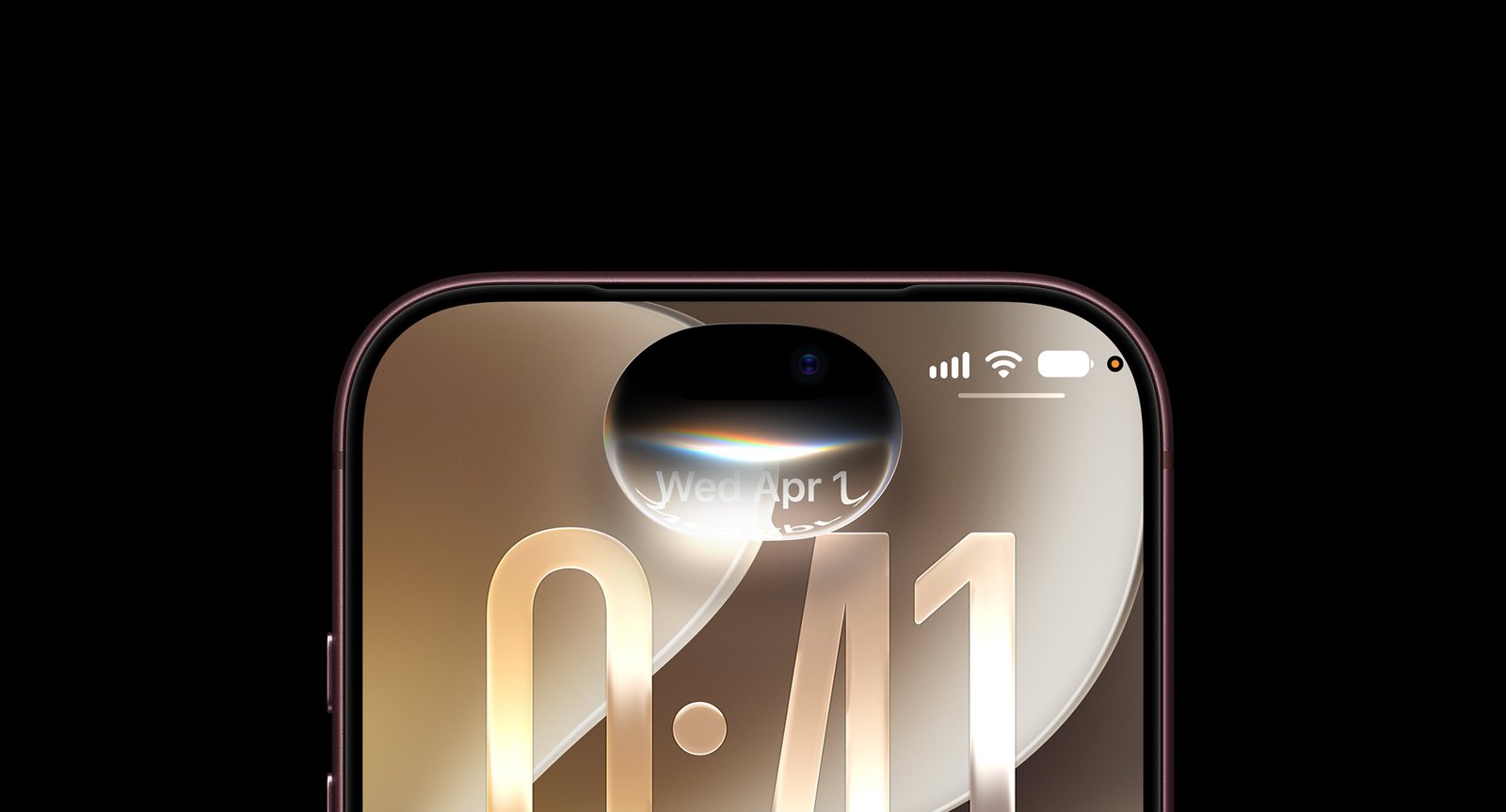
The beta went out on a Monday, quietly, in the same way Apple ships software to millions of phones at once. Starting September 14, users with a supported device set to English could begin using Siri AI, the reimagined assistant that Apple unveiled at its developers conference in June. The company said five more languages would follow within a month: French, Japanese, Korean, Portuguese, and Spanish.
The rollout marks the public debut of a product Apple has positioned as its answer to years of criticism. Siri, the assistant Apple introduced in 2011, has long been judged the laggard in the voice assistant race, and Apple’s competitors in AI have spent the past few years shipping chatbots that made the older Siri look dated. Siri AI is meant to close that gap, and the bet is that it can do so without abandoning Apple’s habits around privacy and on-device processing.
The new assistant is built on Apple Intelligence, the company’s framework for generative features across its devices. Apple has said Siri AI can draw on personal context, finding things across a user’s messages, emails, and photos in a way the old Siri could not. The pitch is not that Siri will match a frontier chatbot on every question, but that it will be more useful inside the apps and data a person already owns.
Language is the harder problem, and Apple knows it. A voice assistant that speaks only English is a niche product in most of the world, and Apple’s most valuable markets span Europe and Asia. The decision to add French, Japanese, Korean, Portuguese, and Spanish within a month is an attempt to make the rollout global quickly, rather than letting the English version define the product before the rest of the world has tried it.
Apple has also disclosed a longer language list for Apple Intelligence as a whole, including Danish, Dutch, German, Italian, Norwegian, Swedish, Turkish, Vietnamese, and simplified and traditional Chinese, among others. Some features will lag behind the core languages, and availability will vary by region. The pattern is familiar: Apple ships broadly, then fills in the details.
The gap between the two announcements, the English beta and the coming languages, is a window Apple will be judged on. Every week the assistant is English-only is a week the company’s rivals, several of which already ship in dozens of languages, can point to Apple’s pace. Apple’s argument has been that it would rather be late and right than early and wrong. The beta is the first public test of that claim.
The stakes are commercial as much as reputational. Apple’s hardware business depends on the iPhone continuing to feel current, and AI features have become a reason to buy a new phone. If Siri AI underwhelms, it weakens the case for an upgrade. If it works, it gives Apple’s devices a feature that competitors cannot match with the same depth of integration.
Analysts said the rollout will be watched as much for what breaks as for what works. A beta, by definition, is unfinished, and Apple is releasing it to a broad audience rather than a small group of testers. The company has warned that some features may be limited or inaccurate, a hedge that every AI company now attaches to every release.
The bigger test comes next month. When the five additional languages arrive, Siri AI will either hold up across them or reveal the seams that English can hide. Apple has built a reputation on software that feels the same everywhere. A new assistant is only as good as its weakest language, and Apple has just committed itself to five of them at once.
Apple’s language rollout has a strategic logic. The company’s rivals, Google and OpenAI, ship assistants in many languages simultaneously, and Apple cannot afford a long English-only period. But Apple has also historically waited until a feature works in a language before releasing it, rather than rushing a translation. The one-month gap is its compromise between those two instincts.
The assistant’s reception in the English beta will shape what follows. If early users find Siri AI genuinely more capable, the language expansion will be met with anticipation rather than skepticism. If the beta disappoints, the added languages will simply widen the audience for the criticism. Apple is, in effect, rolling the dice in public.
For now, the English beta is in the wild, and the phones are doing the work. The question Apple has spent years preparing to answer is whether Siri, given a second act, can finally keep up. The next few weeks will provide the first real data, one spoken request at a time.