Microsoft raised its quarterly dividend by 8 percent to 98 cents a share on September 15, a quiet increase that told investors the company’s cash machine is still turning. Buried in the same disclosures was a figure that drew more attention inside the industry: Azure’s annual sales have passed 100 billion dollars for the first time.
The company also said its annual meeting will be held online on December 8. And a day later, on September 16, Microsoft confirmed it will hold its first Windows and Surface event in two years on October 7, though the technology site Windows Latest reported the event is unlikely to bring Windows 12.
The dividend increase is the kind of announcement that used to be the whole story for Microsoft. The company has raised its payout every year for more than a decade, a ritual that reassures shareholders who remember when the stock traded flat for years. An 8 percent increase is slightly above the company’s recent pace, a small nod to confidence.
What has changed is what investors are really watching. Azure, the cloud business that is the company’s largest growth engine, has become the lens through which the market reads Microsoft. Crossing 100 billion dollars in annual sales puts Azure in a class of software businesses that only a handful of companies have ever built.
Microsoft did not break out the exact timing of that crossing, but the disclosure landed as the company reported that its AI-related spending has reached 145 billion dollars. That number covers data centers, chips and the other infrastructure that underpins both Azure and the company’s own AI products.
The two figures tell one story. Azure is producing more than 100 billion dollars a year in revenue, and Microsoft is spending 145 billion dollars to keep it growing. The gap between the two is financed by the rest of the business, from Windows to Office to gaming, and by the company’s willingness to borrow against its future.
Analysts said the market’s question about Microsoft has shifted from whether it can grow to whether it is spending too much to do so. The AI buildout has made Microsoft one of the largest capital spenders in corporate America, and each earnings report is now read as much for the spending guidance as for the revenue.
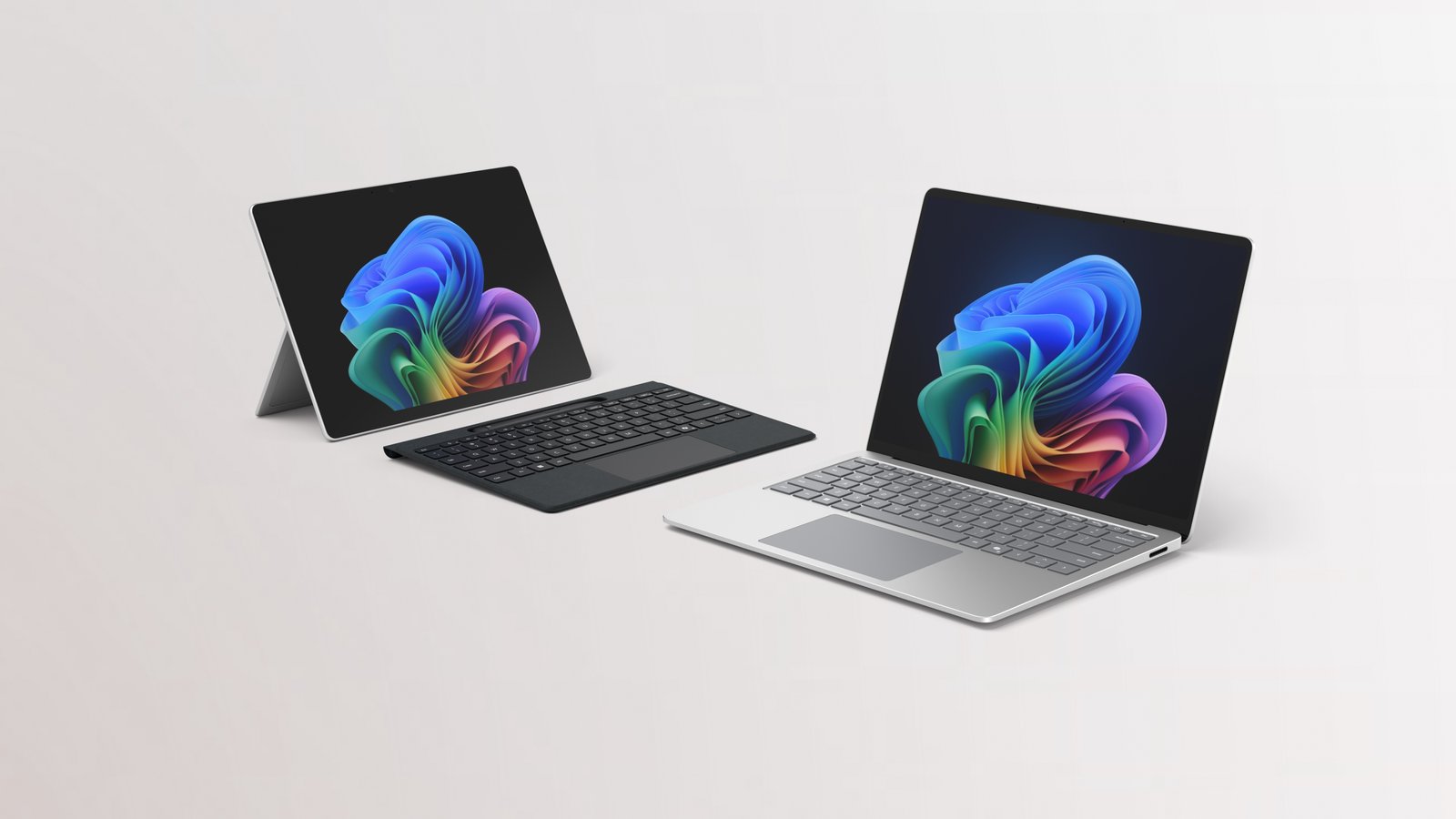
The Windows event announced for October 7 adds a different thread. Microsoft has not staged a major Windows or Surface launch in two years, and the announcement raised speculation that the company was preparing to reveal a new version of its operating system. Windows Latest poured cold water on that idea, reporting that Windows 12 is unlikely to appear.
The company has been rethinking what Windows is for. In a market where the operating system matters less to consumers than it once did, Microsoft has pushed Windows toward business users and tied it more closely to its cloud and AI services. The October event, analysts said, is more likely to feature hardware and AI features than a new version number.
The dividend, the Azure figure and the Windows event are three different kinds of news, and they point to three different audiences: income investors, cloud customers and the PC buyers Microsoft still hopes to win back. Microsoft is one of the few companies that has to talk to all three at once.
Shareholders will vote on the usual matters at the December meeting, including the board and the pay package that has drawn periodic criticism from advisory firms. The dividend, which will be paid to holders of record at a date the company will set, is unlikely to face any serious opposition.
Microsoft’s dividend has become an annual ritual for income investors. The company has raised its payout every year for well over a decade, and the stock now yields a modest but reliable amount even as the shares have climbed. The 8 percent increase keeps that streak intact.
The Azure figure is harder to pin down than the dividend. Microsoft has not broken out Azure revenue separately in years, and the 100 billion dollar figure came as a disclosure rather than a line item. Analysts have had to estimate the cloud unit’s size from the growth rates Microsoft reports each quarter.
The company’s competition with Amazon Web Services frames the number. AWS long led the cloud market, and Azure has spent years closing the gap. Crossing 100 billion dollars in annual sales puts Microsoft’s cloud within reach of the top of the industry, even as both companies race to add AI capacity.
The 145 billion dollars in AI spending is the number that worries some shareholders. That level of capital expenditure is far above anything Microsoft spent in the past, and it will take years to know whether the data centers and chips it buys will earn back their cost.
For now, the takeaway is that Microsoft is still raising its payout even as it pours capital into AI. The company can afford both, for the moment, because Azure keeps growing and the rest of the business keeps throwing off cash. The question the market keeps asking is how long both can stay true.