The deal has the scale of a sovereign financing and the logic of a hardware lease. According to a Bloomberg report on September 16, a group of ten banks assembled a $22 billion loan for Crux AI, a cloud company jointly owned by Blackstone and Alphabet, to buy Google’s TPU chips. The borrower is less than a month old in name, but the model behind it is one the market has come to recognize.
Crux AI was formally named only in September, and it has already hired Alan Duong, who ran Meta’s data-center engineering, away from the social-media giant. The speed of the assembly, a name, a marquee hire, and a $22 billion financing in a matter of weeks, tells the market that this is not a startup feeling its way; it is a vehicle built to scale fast.
The playbook is the one the new cloud operators have spent two years perfecting: borrow money to buy chips, then rent the compute out under long-term contracts. The debt is collateralized against the hardware and the revenue streams it generates, and the economics work only if demand for the compute stays high enough to service the interest and repay the principal.
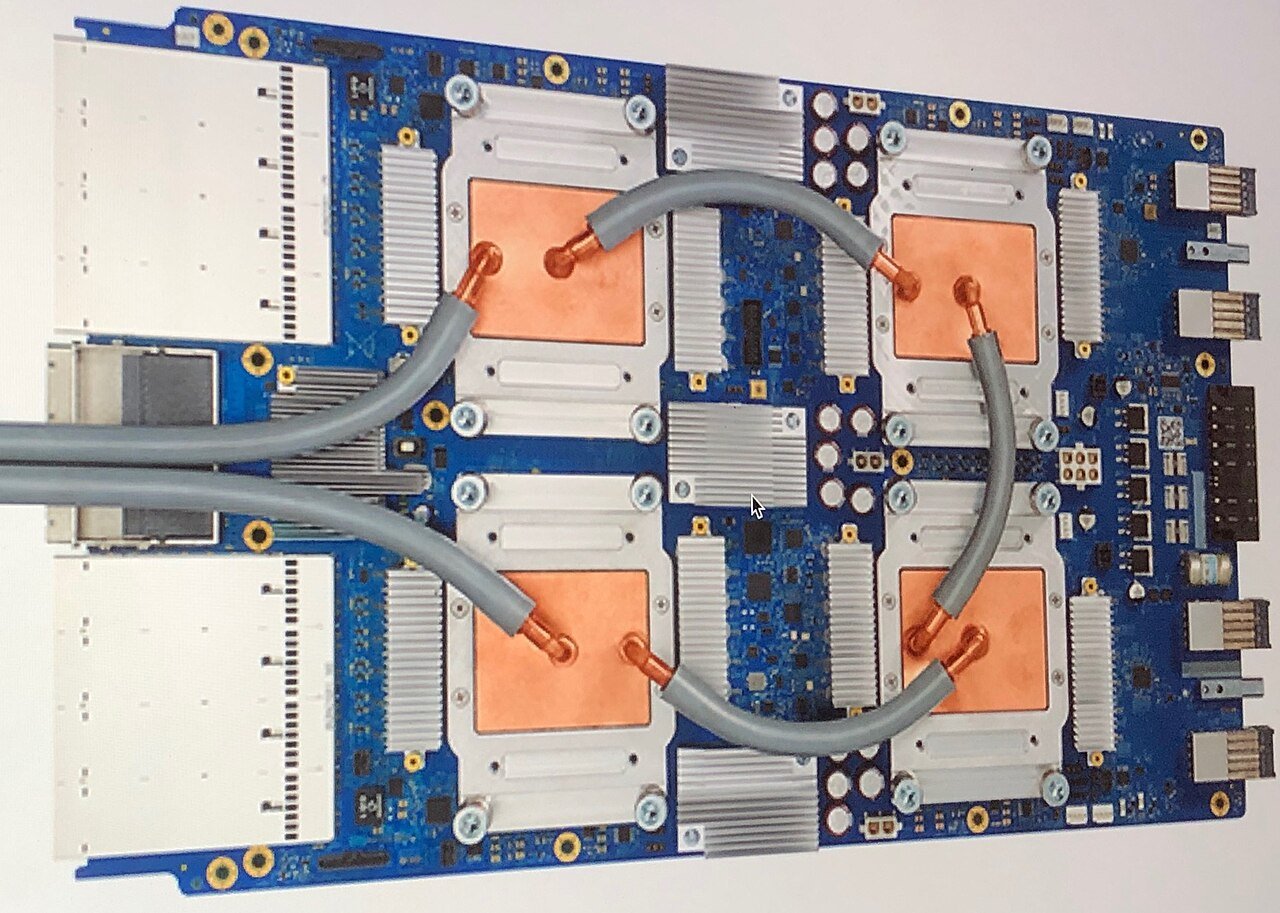
What makes Crux AI different is the chip. The earlier wave of these companies, led by CoreWeave and others, built their fleets around Nvidia’s GPUs. Crux AI is applying the same model to Google’s TPUs, the tensor processing units that Alphabet has developed in-house and, until recently, mostly kept for its own use. That is a bet that Google’s silicon can compete for third-party AI workloads.
For Blackstone, the deal extends a run of aggressive bets on AI infrastructure. The firm has poured tens of billions into data centers and the companies that fill them, and it has argued that the shortage of compute is the defining bottleneck of the decade. A stake in a TPU cloud is a way to own a piece of the alternative to Nvidia’s dominance, and to do it with other people’s money, structured as debt.
For Alphabet, the arrangement serves a purpose it has been reluctant to admit openly. Google has built a formidable in-house chip program, but the TPU has been the walled garden of its own cloud. Selling the chips to a third party, through a joint venture it partly owns, is a way to turn that program into a revenue line and to build a beachhead against Nvidia in the rented-compute market.
The $22 billion figure is the part that concentrates attention. It is an enormous sum for a company with no track record, and it signals that the banks, and the lenders they serve, believe the demand for AI compute will persist long enough to repay it. That is the same bet the GPU-cloud companies made, and it has not always paid off on schedule.
The hire of Alan Duong fills in the operational story. Data centers are where the business is won or lost, and the difference between a profitable cloud and an expensive warehouse is the skill of the people who build and run it. Poaching Meta’s data-center chief is a statement that Crux AI intends to run its own infrastructure at serious scale, rather than outsource the hard part.
The risk is the one every debt-financed cloud carries. If AI demand cools, or if a cheaper way to get compute emerges, the loans still come due, and the chips, which depreciate fast, are worth less than they cost. The GPU clouds learned this in real time as pricing softened, and the TPU experiment is exposed to the same cycle.
The broader significance is that Google’s TPU is now a tradeable asset with a market price, financed by outside capital. That was always the strategic question behind the chip program: whether Google would keep its best silicon to itself or let it compete in the open market. Crux AI is the answer, and $22 billion is the size of the first bet.
The TPU itself has a history. Google first disclosed its custom tensor processing units in 2016 as the engine behind its AI workloads, and for years the chips were a closely held advantage, never sold to outsiders. The decision to let a joint venture buy them at scale is a departure, and it reflects a strategic calculation: Nvidia now dominates the rented-compute market, and the only way to build an alternative is to finance it externally.
The ten-bank syndicate is itself a signal. A loan of twenty-two billion dollars is not assembled casually, and the banks’ willingness to commit that capital to a company with no operating history rests on the collateral: the chips themselves, and the contracts that rent them out. That structure is the same one that financed the Nvidia-cloud buildout, and its extension to Google’s silicon is what the market will be watching.