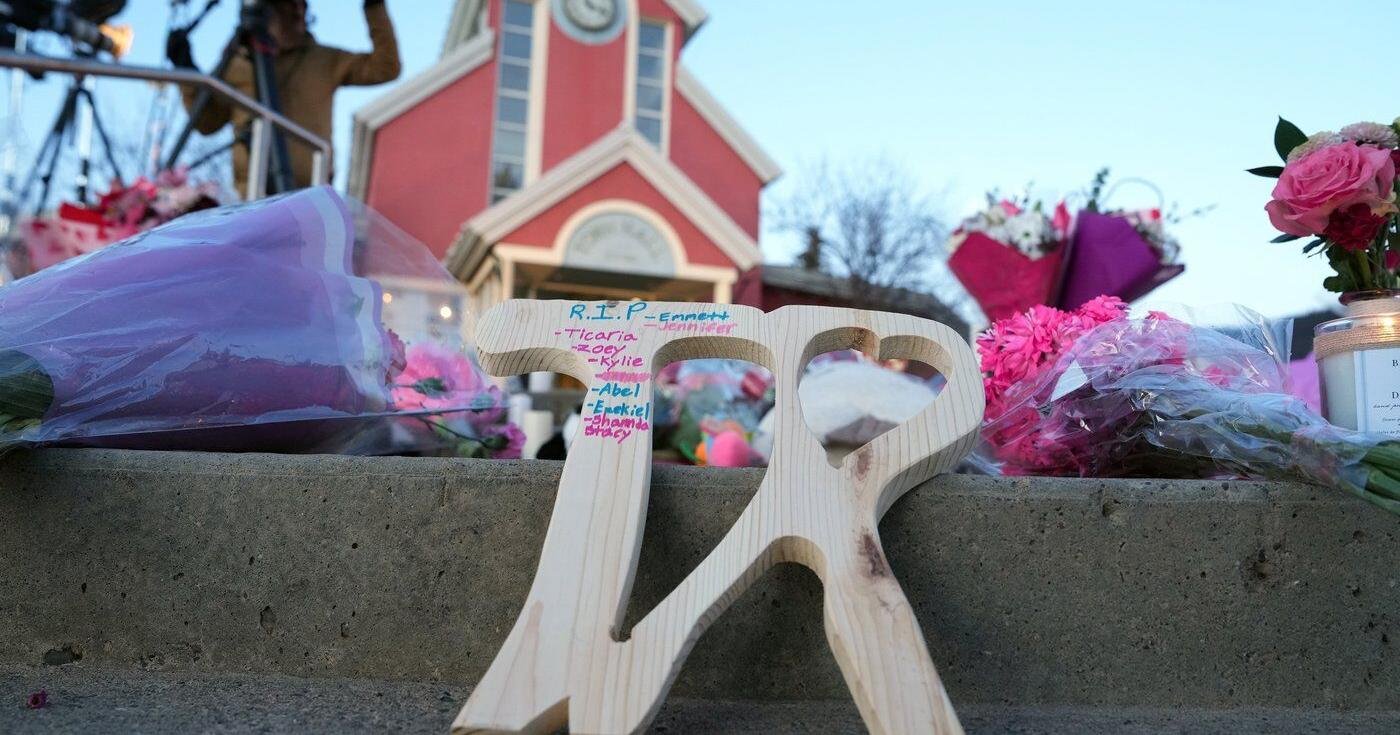
Months before an 18-year-old walked into a school in the northeast British Columbia town of Tumbler Ridge and killed eight people, OpenAI’s safety team had already flagged the gun-violence content in her ChatGPT account, according to the provincial government. No one called the police.
On Monday, British Columbia Attorney General Niki Sharma filed suit in a federal court in California against OpenAI and its chief executive, Sam Altman. The province is seeking to recover the public cost of the February 10 attack, and it is asking a judge to order changes to how the company’s chatbot handles threats of violence.
The shooting was one of the deadliest in Canadian history. Jesse Van Rootselaar, 18, shot and killed her mother and half-brother at their home before driving to Tumbler Ridge Secondary School, where she fatally shot five children and an educator. Eight people died, six of them children. The shooter died of a self-inflicted wound.
The government’s core claim is that OpenAI saw the danger and did nothing. In the months before the attack, roughly a dozen OpenAI employees urged the company to notify Canadian authorities about the shooter’s plans, according to the province’s account. Sharma said she asked OpenAI to hand over the shooter’s chat records and was refused. The province went to court instead.
Altman apologized publicly in April. “I deeply regret not alerting law enforcement,” he wrote to the community of Tumbler Ridge. Some families of the victims said the apology was not enough; several had already filed their own lawsuits in California, and the province followed this week.
The province’s filing is the first time a government entity has sued a model company over violence connected to its products. Families of the victims have made related claims in their own cases: that the shooter used ChatGPT to plan violent scenarios, that her account was flagged for disturbing content before the attack, and that the company did not act on the warning.
British Columbia framed the case in financial terms. The province wants OpenAI to cover the costs that would otherwise fall on taxpayers, and it wants the court to impose changes to the company’s threat-detection and escalation systems rather than leave those decisions to the company alone.
The dispute also touches on how OpenAI handles accounts it deems dangerous. The company has said it bans users who violate its policies. The province and the families argue that OpenAI in practice deactivates accounts, a step that can be reversed within minutes, and that the shooter returned under a new email address and her real name within days.
The case lands at a delicate moment for OpenAI. The company has spent the year courting governments over how artificial intelligence should be governed, even as it pushes new products to market and works toward a public listing. A finding that it ignored internal warnings about a school shooting would complicate that position.
OpenAI has said it operates a zero-tolerance policy for using its tools to assist violence, and that it has tightened safeguards since February, improving how ChatGPT responds to distress, how it escalates threats, and how it spots repeat offenders. The company has not responded in detail to the province’s specific claims.
Premier David Eby has said the shooting might have been prevented had OpenAI warned authorities earlier. The Governor General visited the grieving community in the days after the attack. Tumbler Ridge, a town of roughly 2,000 people near the Alberta border, was still reckoning with the loss when the province decided to sue.
Legal analysts said the case will test how far a government can go in holding an AI company responsible for harm that follows a failure to act on its own internal warnings. Damages in Canadian courts are capped well below what the families are pursuing in the United States, one reason the litigation has clustered in California, where OpenAI does business and where Altman lives.
Whether a court accepts the framing is far from certain. Model companies have been largely insulated from liability for what users do with their products, and no judge has yet drawn a clear line for when a company’s duty to report begins. British Columbia is betting that a school shooting, and a record of internal warnings, redraws that line.
Governments in Europe and elsewhere have begun writing rules that would require AI companies to report imminent threats of serious harm. None of those rules existed when the warnings about Van Rootselaar were raised. The case asks, in effect, whether a company should have acted anyway.
For the province, the case is about the bills that land on a government after a massacre. For the industry, it raises a question the companies have been slow to answer themselves: what a model maker owes when its own systems see the warning signs first.