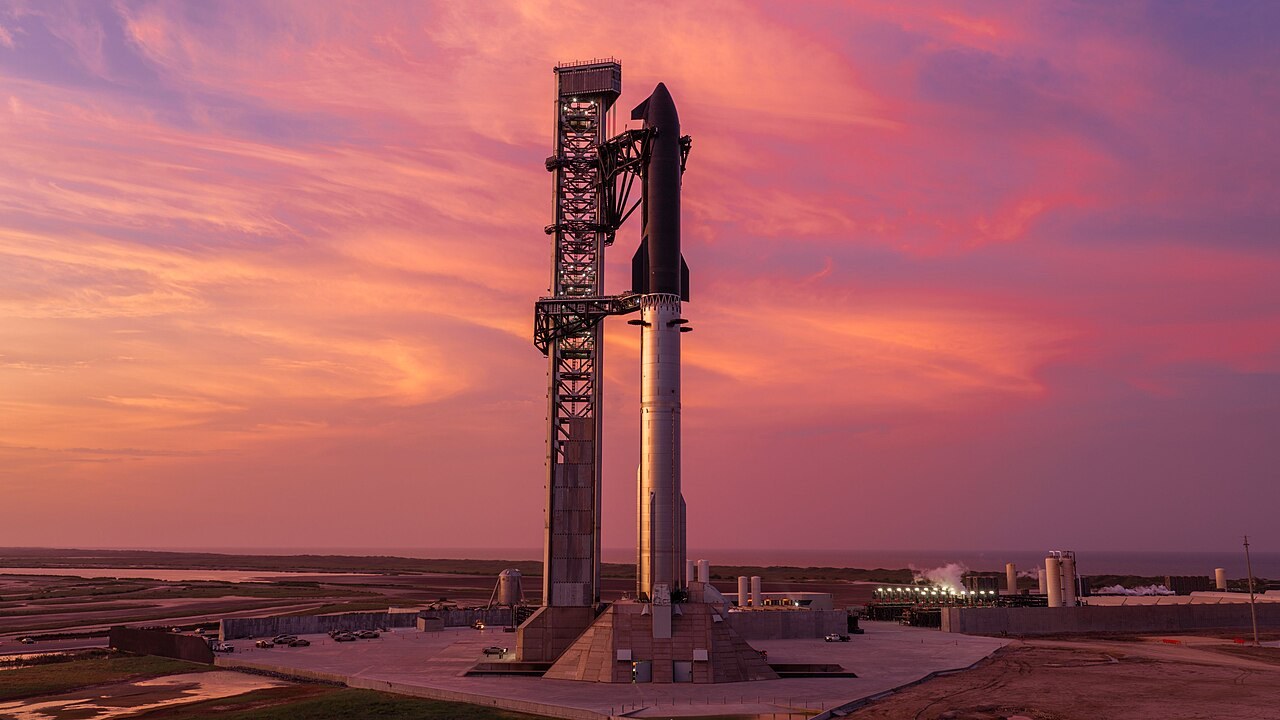
The Super Heavy booster stood on the launch mount at Starbase in south Texas early Wednesday, its Starship upper stage lowered on top in the first full stack of a rocket meant for orbit. A few hundred miles away and a world apart, traders were watching a different kind of countdown: the release of as many as 328 million SpaceX shares from a lockup that has governed the stock since its June listing.
The shares became eligible for sale on Sept. 24, according to company filings tracked by analysts. The stock slipped about 0.6 percent in premarket trading after falling 4.11 percent the prior session to $148.36. Over the preceding three weeks, retail investors had been net sellers, offloading roughly $570 million worth of stock, and several institutions had flagged the risk that a fresh wave of supply would weigh on the price.
The mechanics are unusual by the standards of most public offerings. When SpaceX listed in June, it sold 638.9 million shares to the public, but the freely tradable portion of the company was just 4.9 percent of shares outstanding. Rather than release the rest on a single date, the company staggered the expiration across nine tranches. The first and largest, on Aug. 6, freed 911.5 million shares worth nearly $99 billion at the time. The Sept. 24 tranche is the next major installment.
That structure has made the shares a moving target. Each unlock expands the pool of stock eligible to trade, though it does not by itself force anyone to sell. Analysts have argued that many early holders will sell anyway. “We believe that most of the available shares will come to market, because the existing sellers have low cost basis and long holding periods,” Morningstar’s Nicolas Owens wrote ahead of the August release. A JPMorgan analyst, Doug Anmuth, cautioned the same month that a good deal of the selling had already been priced in.
The thin float has also left the stock unusually sensitive to retail sentiment. With only a sliver of shares trading in the early weeks, individual investors could move the price in ways a larger market would have absorbed. When the August tranche arrived, many of those investors appeared to have misread the calendar: the 911.5 million shares freed that day were only the first slice of a schedule that runs for months, and a further wave was always going to follow. The Sept. 24 release is that wave.
What distinguishes this unlock from the one in August is the price. The stock spent its first weeks under water, trading below its IPO price after a sharp post-earnings selloff. By late September it had recovered to around $148 a share, which means employees and early investors who choose to sell now are doing so with a gain in hand rather than a loss. That changes the calculus for exactly the sellers analysts expect to move first.
The unlock lands alongside the most consequential test of the company’s engineering since the IPO. SpaceX stacked the Starship upper stage, designated Ship 41, atop the Super Heavy booster at Starbase on Sept. 23, ahead of what the company calls Flight 14. The mission is designed to send Starship on six full orbits before a controlled reentry and recovery, the first time the vehicle would complete an orbital flight after thirteen earlier tests that stayed on suborbital trajectories. A launch window opens Sept. 28, pending regulatory approval.
The two events are not unconnected. SpaceX’s valuation, and therefore the price at which these newly freed shares trade, rests in part on a single open question: whether Starship can be reused. The rocket is central to the company’s plan to launch Starlink satellites at scale and to Elon Musk’s goal of reaching Mars. If reuse works, the economics of the entire fleet improve. If it does not, the premium built into the stock has less to stand on.
That is why the orbital flight matters to people who will never watch a launch. NASA has tied its Artemis program, the effort to return astronauts to the lunar surface, to a Starship variant, and the agency has already pushed back its timeline because of development delays. A successful orbit and recovery would give the company flight history it can show to government and commercial customers alike. A failure would raise the cost of that credibility.
SpaceX is trying to retire one rocket while proving another. Its Falcon 9 remains the workhorse of the commercial launch industry, but the company has been steering its newest and most important missions toward Starship, and it needs flight history on the new vehicle before government customers will certify it for the heaviest payloads. Every launch that matures Starship brings the valuation story closer to being settled.
For now, the two clocks are running in parallel. The rocket is assembled and waiting for a launch permit. The shares have been assembled for months and are waiting only for their holders to decide. Both will resolve in the next few days, and the market is likely to read one answer through the other.