Spools of electrical wire sit outside the assembly tents at the Stargate AI data center in Abilene, Texas, where crews are still pouring concrete for a campus that will not earn back its cost for years. The money building that campus, and hundreds like it, was borrowed. This week, the price of that borrowing climbed to a level not seen in two decades.
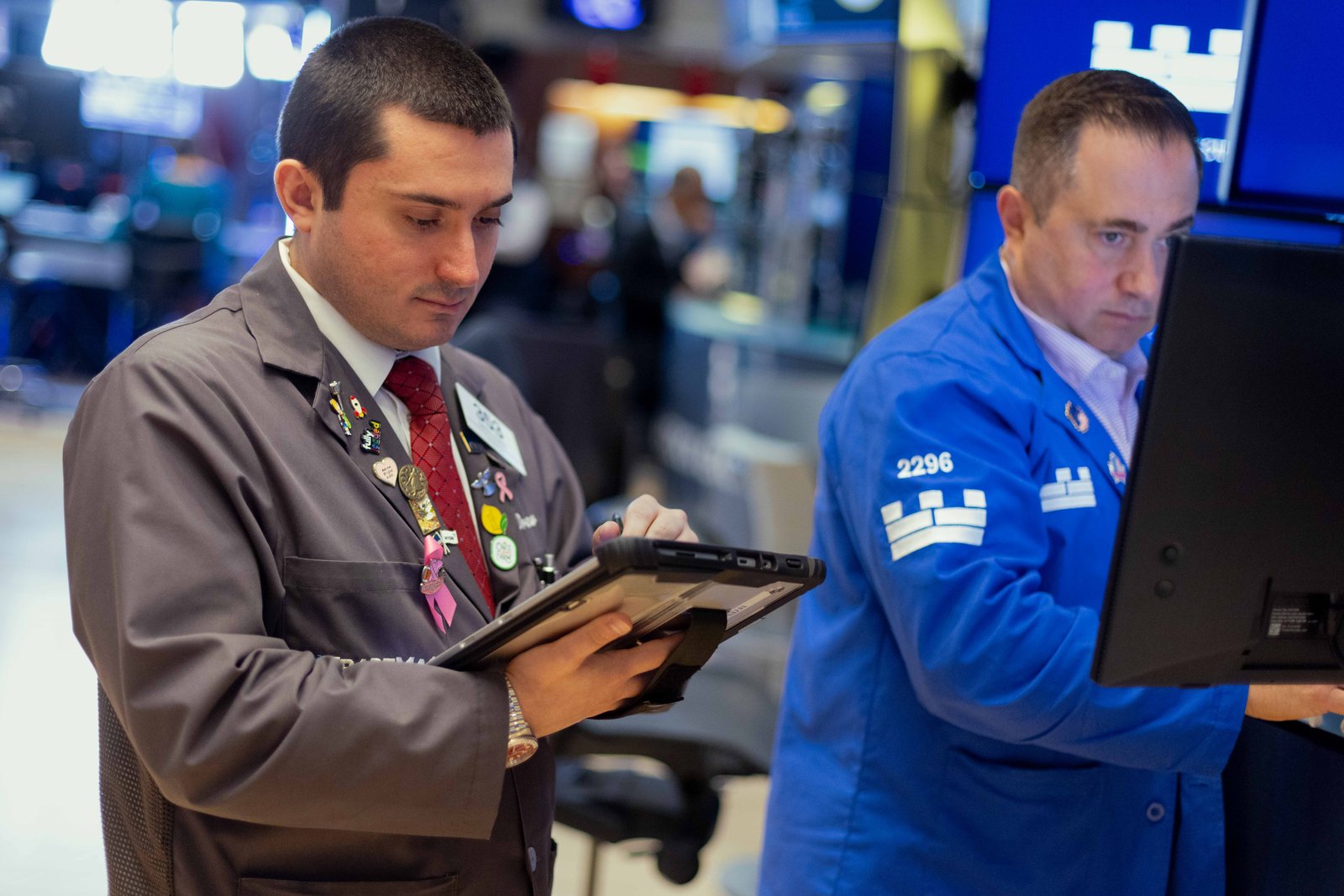
The yield on the 10-year U.S. Treasury note pushed past 5% and touched its highest level since 2007, according to CNBC, as traders wagered the Federal Reserve could raise interest rates again. The 10-year note sits at the base of nearly every corporate bond priced in America. When it rises, the cost of financing an artificial-intelligence data center rises with it.
Few borrowers are more exposed than the companies racing to build the physical infrastructure of AI. JPMorgan Chase estimated in June that $4.1 trillion of AI-related debt will be issued through 2030, as data center operators, chip buyers and the hyperscale cloud companies scramble to add capacity.
The bank has been lifting its numbers all year. It now expects AI capital spending to reach $5.5 trillion through 2030, up from a prior estimate of $5.1 trillion, a revision it ties to expectations of 138 gigawatts of data center capacity growth by the end of the decade. AI-related debt issuance has already passed $300 billion this year, with data center borrowing among the biggest drivers of corporate credit markets.
So far, companies have been willing to absorb the higher costs. That patience is starting to fray. Some investors now say they are worried about how future financings will get done, a shift in mood that matters because the buildout is only partly paid for.
The debt is spread across the sector. Data center landlords such as Equinix and Digital Realty borrow to build. So do specialized AI cloud providers such as CoreWeave, and the hyperscalers, Microsoft, Amazon, Alphabet and Meta, that are their largest customers. JPMorgan raised its forecast for technology, media and telecommunications bond sales this year to $540 billion from $450 billion, citing spending by the big technology companies leading the investment cycle.
The bank’s credit analysts expect high-grade corporate debt markets alone to supply more than $2.1 trillion of financing for AI infrastructure over the next five years. The next squeeze, they argue, could come from the chips themselves: more than $3 trillion may be needed over the next five years to finance graphics processors and custom AI accelerators, as companies expand computing capacity and eventually replace aging hardware.
“Finding the right silicon financing paradigm is the billion-dollar question,” the team, led by JPMorgan analyst Tarek Hamid, wrote.
The climb in yields is not specific to AI. Traders have been betting the Federal Reserve may need to raise rates again to cool inflation, and the 10-year yield had already risen through September, settling around 5.1% to 5.2% by the end of the month. But the effect on the data center sector is outsized, because the sector is now the fastest-growing borrower in the corporate bond market.
The problem for borrowers is timing. A data center signs a lease and begins generating cash only after construction, which can stretch for years. The debt that finances that construction is priced now, at rates that reflect a bond market that has repriced sharply. Companies that locked in fixed-rate financing earlier are shielded. Those that need to refinance, or that borrowed at floating rates, are not.
For the data center operators, the squeeze arrives on two fronts. The base rate they borrow against has risen, and the spread investors demand for lending to a young, capital-hungry industry has widened as the amount of new issuance has grown. A company that could raise a billion dollars at a comfortable rate a year ago now pays more for the same money, and the difference compounds across a buildout measured in hundreds of billions of dollars.
The AI boom, in other words, has become a credit story as much as a technology one. Equity investors have concentrated on chipmakers and software companies. The credit market, JPMorgan argues, may end up doing much of the heavy lifting for the buildout itself.
Private credit firms have played a growing role in financing AI hardware purchases, but the bank expects public markets to supply a much larger share over time. Analysts said the question is no longer whether the money is available but at what price.
The last time the 10-year yield sat this high, in 2007, the global financial system was months from a reckoning built in part on cheap debt. No one is predicting a repeat. But the comparison captures the anxiety: a buildout financed on borrowed money is only as sound as the rates that underwrite it.
For now, the construction continues. The tents in Abilene are part of a buildout measured in gigawatts and trillions of dollars, financed on the assumption that the returns will outrun the borrowing cost. This week, that assumption got a little more expensive.