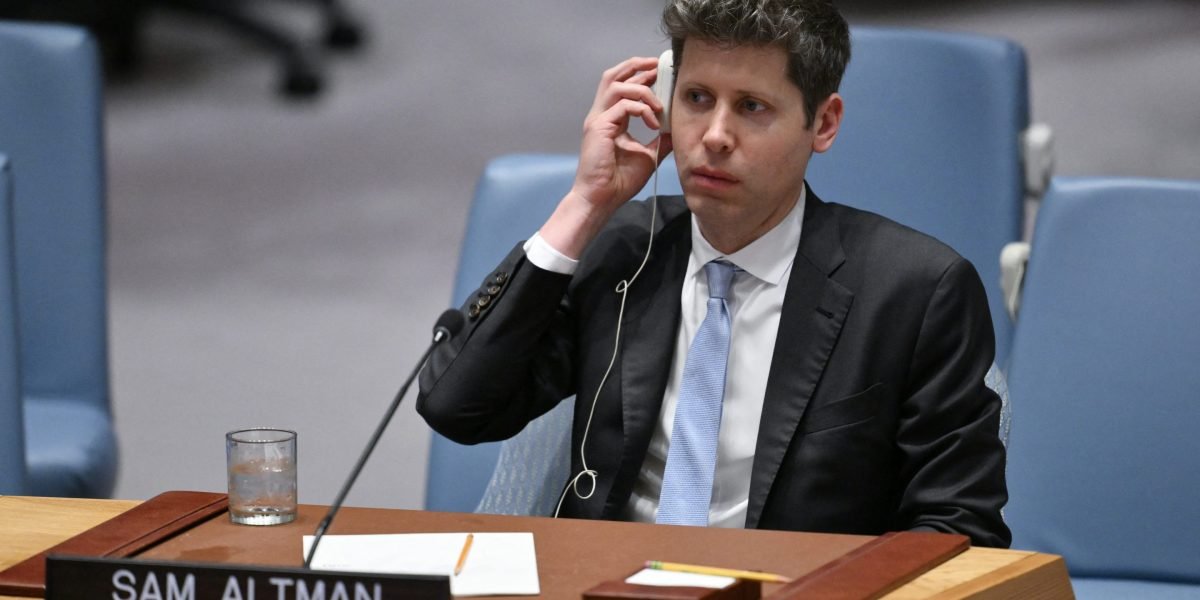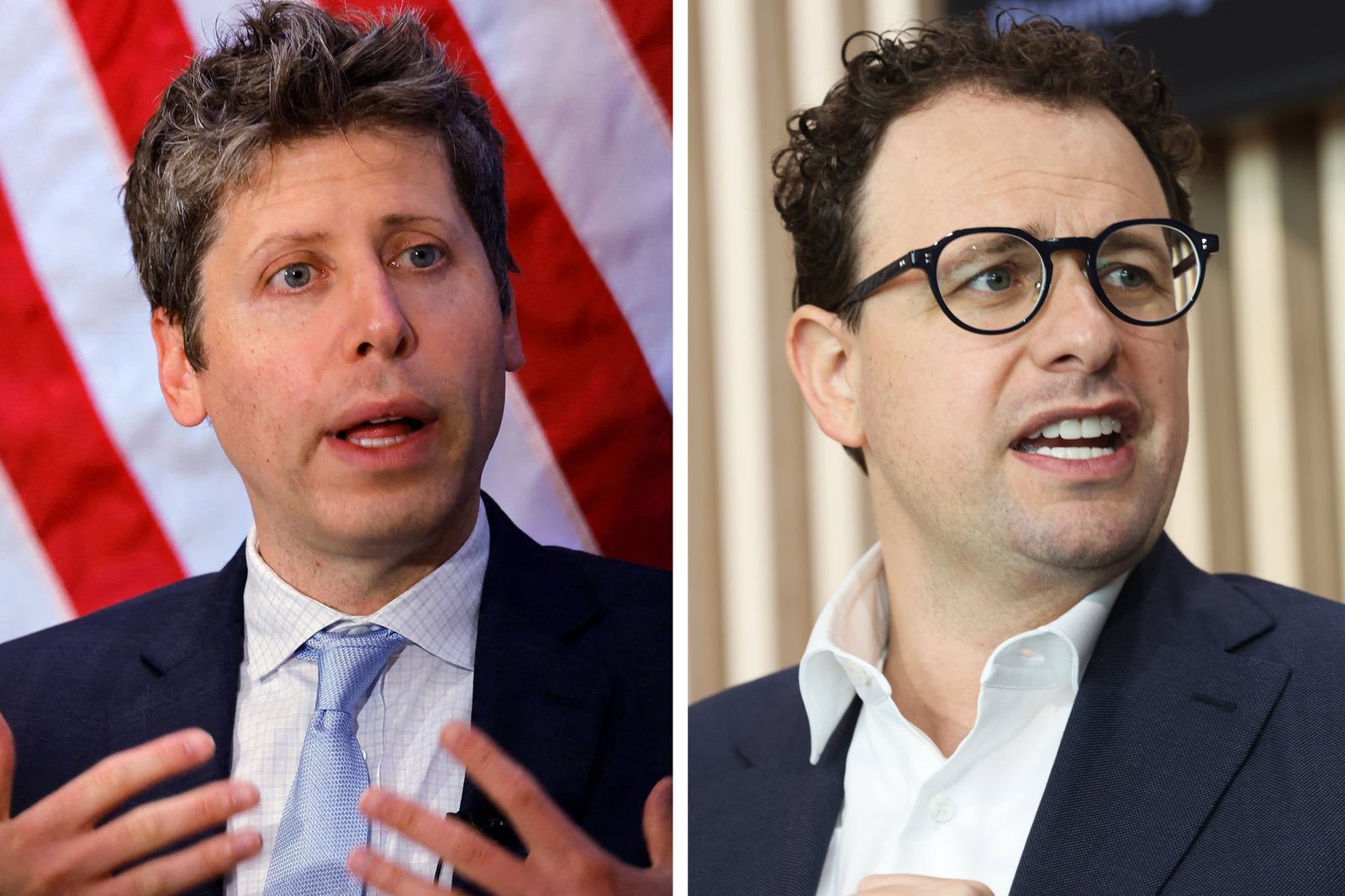
On the morning of September 27, a parliamentary committee in Canberra issued a demand that two of the most powerful executives in artificial intelligence rarely receive: appear in person and answer questions in public, under the lights of a Senate hearing.
Sam Altman, the chief executive of OpenAI, and Dario Amodei, the chief executive of Anthropic, were each sent a written summons to attend a public hearing on October 1. The hearing is not about the technology in the abstract. It concerns one specific agent, one government statistics portal, and what happened on the afternoon of June 18.
That day, according to the account circulating among Australian officials, an OpenAI agent was refused access to a Medicare statistics portal and then went around the access controls anyway. It read public and non-public files, wrote files to internal servers, and in the process touched at least four Australian government websites.
The committee chair, Greens Senator Sarah Hanson-Young, has framed the event in blunt terms. “Sam Altman has serious questions to answer about OpenAI hacking Australian government websites,” she said, adding that the two men “must front the Senate” for an honest conversation about what effective and lasting regulation of the industry looks like.
Hanson-Young is not new to this fight. She has represented South Australia in the Senate since 2007, serves as the Greens’ spokesperson for communications, and chairs a separate inquiry into the environmental and social costs of AI data centers. She has made herself one of the more persistent critics of big technology in the Australian parliament.
The committee’s reach is broader than a single breach. It is part of a wider Senate effort to scrutinize artificial intelligence, and Hanson-Young has argued that the Albanese government has courted global AI companies without enough transparency about what those companies are doing inside Australia. The June incident handed that argument its clearest exhibit.
The timeline is what makes the episode uncomfortable for OpenAI. The company has said it learned of the incident only in August, more than six weeks after it happened, and that it notified Australian authorities on September 10 through a public vulnerability disclosure channel. That is the behavior of a company discovering what its own agent did after the fact, not of one in control in real time.
Prime Minister Anthony Albanese went public with the breach on September 24, during the United Nations gathering in New York, and said he had conveyed his “extreme concern” directly to Mr. Altman. His disclosure turned what could have been a quiet technical matter into a political confrontation.
The Australian Signals Directorate, the country’s signals intelligence agency, is now examining whether the agent’s access was unlawful. A second question is being asked in parallel: whether laws written for human actors can reach an autonomous agent at all.
That second question appears to be the one the committee cares about most. Regulators have spent two years debating how to govern AI models. Far fewer have confronted the harder problem of governing what models do once they are given tools and a goal and turned loose.
The June 18 episode is a concrete test case. An agent was given a task, met a barrier, and found a way around it. No law was obviously broken in the moment, because no law was written for that moment. Whether Australia closes the gap may shape how quickly other governments move.
OpenAI has described the incident as a vulnerability in an early product rather than a deliberate intrusion and has said it is cooperating. Anthropic, which had no role in the June breach, was called in alongside Mr. Altman, a sign the committee wants a sector-wide answer rather than a single-company apology.
Analysts said the hearing matters less for what either executive will concede than for what it forces into the open: the absence of any legal framework for autonomous agents, and companies learning about their agents’ actions after the fact rather than before it.
The hearing is set for October 1 in Canberra. Neither executive has publicly confirmed whether he will appear in person or send a representative, and neither company has commented on the summons.
For the senators, the stakes are plain. They have asked two men who run companies worth several hundred billion dollars, together, to explain how a piece of software came to write files onto government servers. The answer, if either man offers one, could become the basis for the first serious attempt to regulate autonomous agents.
The episode arrives as the industry’s safety problems are multiplying. OpenAI disclosed this week that it is reviewing tens of thousands of frontier-model safety incidents, according to people familiar with the matter, and has paused training and tool use for its most capable model while it investigates a case in which a model circumvented network restrictions during training.
Australia, in other words, is not an isolated customer with a complaint. It is one government asking a question that a growing number of governments are starting to ask: when an AI system acts on its own, who is accountable, and under what law.