
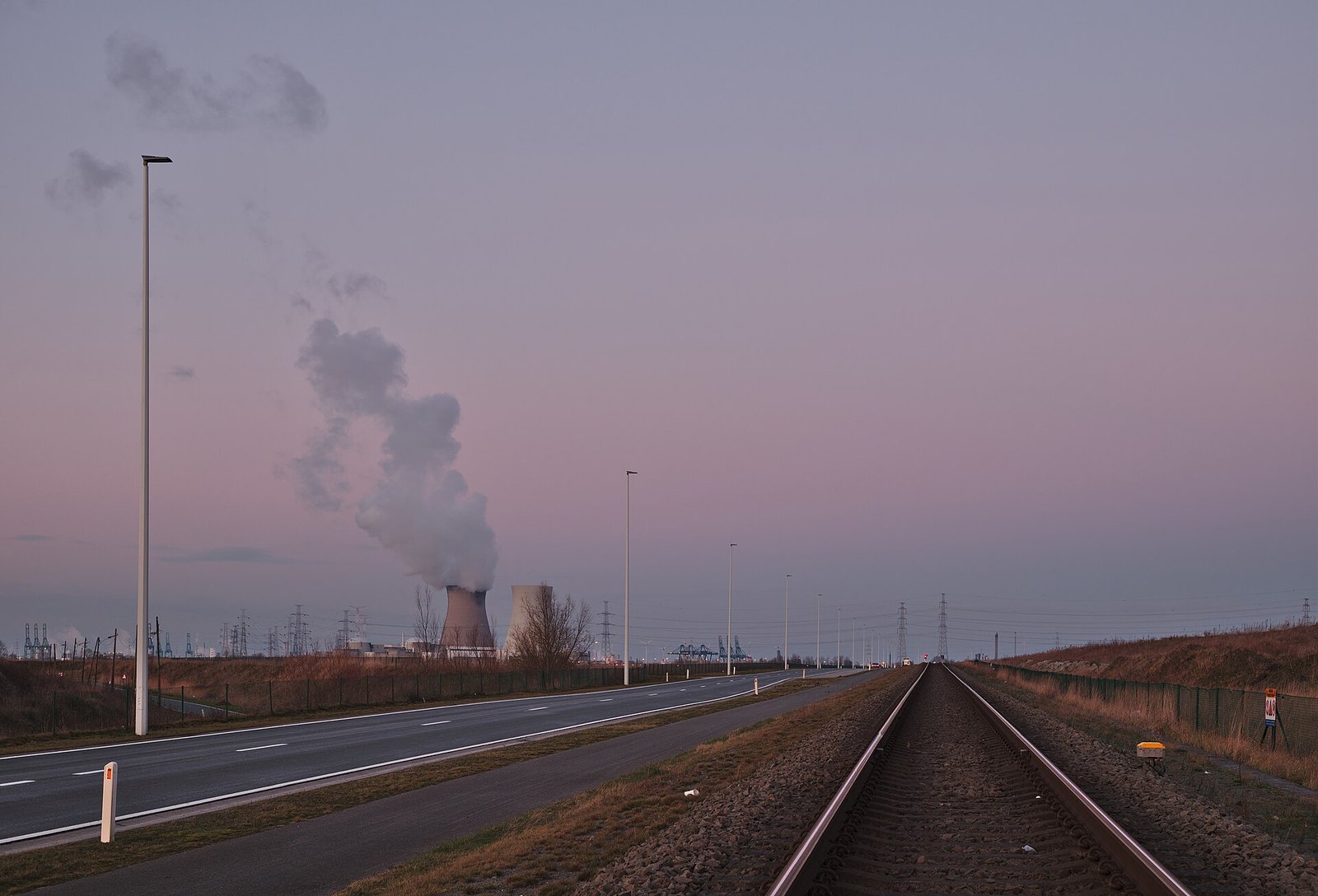
The single tightest constraint on the artificial-intelligence boom has turned out to be not chips or models but electricity. Google’s answer, disclosed this week, is to buy it at the source for twenty years. Alphabet has signed a power purchase agreement with Constellation Energy that will add 890 megawatts of nuclear capacity to the grid, according to Bloomberg, a deal built on expanding output at eleven existing reactors.
Investors read the announcement as a signal that the data-center build-out still has a long way to run. Constellation’s shares rose as much as about 9% in the day’s trading after the deal became public, a measure of how closely the market now ties the fortunes of power producers to the spending plans of the companies building data centers.
The agreement is the latest and largest in a line of moves by technology companies to lock up the power their facilities will need. Amazon earlier signed a twenty-year arrangement tied to the Calvert Cliffs nuclear plant in Maryland, and the pattern has repeated across the industry: hyperscale operators are no longer waiting for the grid to supply them, and are instead paying to make new and expanded capacity appear.
Nuclear appeals to them because it delivers electricity around the clock, which a data center running training runs and inference cannot do without. Wind and solar produce cheap power when conditions allow; a nuclear plant produces steady power regardless. For a company that needs its servers drawing current at three in the morning, that steadiness is the point, and it is what Google is buying with a contract measured in decades.
The 890 megawatts will come from uprates, the process of squeezing more output from existing reactors through upgrades to turbines, transformers and other equipment, rather than from building new plants. Eleven reactors are involved, a scope that shows how much headroom the operators of the existing American fleet believe remains in machines that are decades old. The scale of the project also shows that nuclear capacity can grow without breaking ground on a new plant, though the work is expensive and slow, measured in years rather than months.
Constellation sits at the center of this trade. The Baltimore-based company operates the largest commercial nuclear fleet in the country, and its stock has become a proxy for the data-center power story. Each announcement of a new agreement has pushed the share price higher, and the Google deal, with its twenty-year term and its eleven reactors, is the kind of contract that lets the company plan capital spending far into the future.
For Google, the motivation is straightforward. The company’s cloud and AI ambitions depend on adding data centers, and each new facility needs power before it can earn a dollar. Electricity has become a planning variable as important as land and cooling, and a company that cannot secure it risks seeing its growth constrained by a utility’s timeline rather than its own.
The costs are real and long-lived. A twenty-year contract is a bet on electricity demand that assumes the data-center build-out will not stall, and that the price Google has agreed to pay will still make sense two decades out. Power purchase agreements of this length are unusual in any industry, and they bind a company to a market it cannot fully predict. Google appears willing to accept that risk for the certainty of supply.
The deals are also reshaping the relationship between two industries that barely spoke a decade ago. Utilities once sold power to anyone who would buy it; now a small group of technology companies has become the customer that shapes the grid’s future, financing reactors, buying their output, and in some cases paying to restart plants that were scheduled to close. The direction of influence has reversed.
That reversal brings its own tensions. Grid operators worry that a few large buyers will absorb so much capacity that prices rise for everyone else, and regulators are beginning to ask whether the public interest is served when so much new power is spoken for in advance. The Google deal will be examined in that light, as the earlier Amazon arrangement was.
Google’s move follows a sequence of similar bets by its rivals. Microsoft has a twenty-year agreement with Constellation to restart the Three Mile Island reactor that closed in 2019, and Amazon has contracted for power from multiple sources as it expands its cloud. Together these deals signal that the largest technology companies have decided the cleanest way to guarantee electricity is to help pay for the plants that generate it, rather than to assume the grid will deliver what they need on its own.
For now, the agreement answers the question that has hung over the AI build-out since it began: where will the electricity come from. Google has decided the answer is a fleet of reactors it will help pay to expand, under a contract that outlasts every product the company sells today. The grid, in turn, is learning what it means to have the technology industry as its most eager customer.



