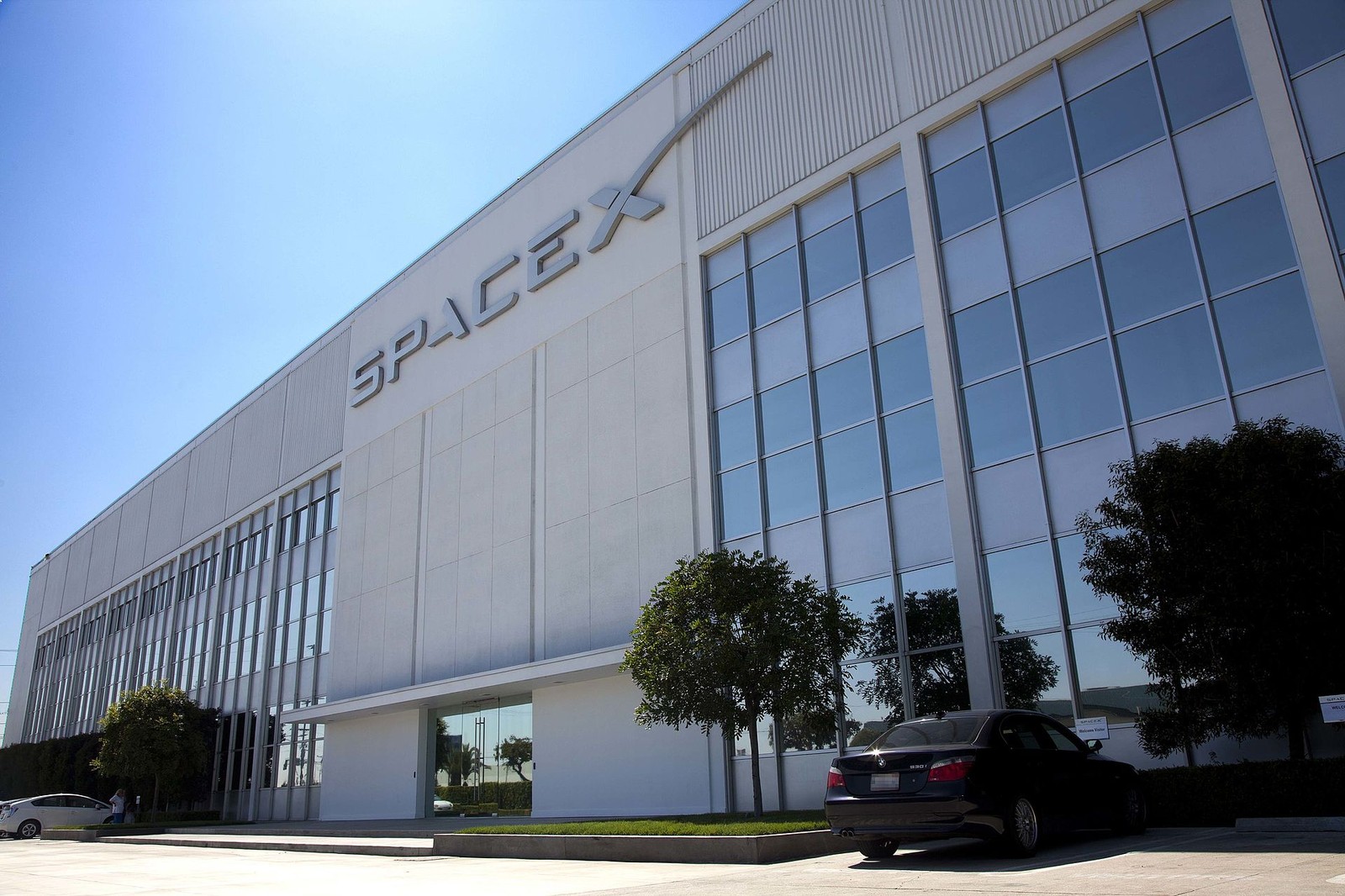
The post ran to two sentences. Next year, Elon Musk said on X on Monday, he will give one of his SpaceX shares to every kid in America. “This will be the first of many,” he wrote, and he did not say how the shares would be delivered, who would hold them, or what a parent is meant to do with a piece of a rocket company that has never traded on an exchange.
The multiplication is straightforward. The Census Bureau counted about 72 million Americans under 18 as of July 1, 2025. SpaceX was quoted at 146.03 dollars on Friday. One share apiece comes to roughly 10.5 billion dollars, a figure that Altimeter Capital’s Brad Gerstner described within the hour as the largest philanthropic gift in history.
The ownership behind the promise is a separate matter. An August filing with the Securities and Exchange Commission put Musk’s holding at about 4.8 billion SpaceX shares. Counting unvested awards and options, the number rises to 6.4 billion, or 48.4 percent of the company. Distributing 72 million shares would cost him a little over one percent of that position and would not change who controls the board.
What he is giving away, in other words, is a claim on a private company. SpaceX has no public float. Its shares change hands in periodic tender offers, priced by whoever is buying, and the 146.03 dollar figure is the most recent of those quotations rather than a closing print on a screen. A custodian asked to record one share for a nine-year-old has nothing to mark it against except the last private transaction, which may be six months old and was negotiated by institutions.
The mechanics are where the announcement stops. Gifts of private stock normally run through a transfer agent, a stock power and a medallion signature, one holder at a time. Doing that 72 million times requires an intermediary that does not exist yet. The obvious candidate is the account program created under last year’s tax law, which gives every newborn a government-seeded investment account; Gerstner suggested in his reply that the SpaceX shares could flow through it.
The tax treatment is the least difficult part. At 146 dollars a share, each gift sits far below the annual exclusion for gifts to a single recipient, so the transfers would not generate gift tax returns in any meaningful volume. The complications are administrative and legal instead: minors cannot hold title in most states without a custodian, restricted stock carries transfer conditions written into the company’s bylaws, and a distribution of unregistered securities to 72 million people is a transaction regulators have not seen.
Musk framed the gesture as an answer to Anthropic. Earlier the same day, the artificial intelligence company said it would place 5 percent of its equity in a public benefit fund, with a clause allowing the board to add two percentage points each time its valuation rises 50 percent above an undisclosed baseline. The fund would make large grants to nonprofits and distribute cash directly to selected groups. Musk’s response, posted in the thread, was that the money should go straight to the public rather than through an institution.
That exchange is the more interesting document. Two of the most valuable private companies in the world, both built on the same technology, proposed different answers to the same political question: who owns the gains. Anthropic’s answer is a foundation with a board, a charter and a grant process. Musk’s answer is 72 million individual shareholders, most of whom will not be able to vote, sell or value what they own for years.
His record on announcements of this kind is uneven. He promised as much as 1 billion dollars to OpenAI, the lab he co-founded, and contributed about 38 million dollars between 2016 and 2020 before cutting the funding during a fight for control. In 2021 he offered 6 billion dollars to the World Food Program on the condition that it publish a plan for how the money would be spent, and the transfer that followed did not match the number he had named.
The political context is harder to ignore than the philanthropic one. Musk has given more than 276 million dollars to Republican groups since July, including 158 million dollars to the Senate Leadership Fund in September through a Texas committee set up to support Ken Paxton, according to campaign finance disclosures. A gift to every child in the country, announced two weeks before the midterms, lands in the same news cycle as those filings.
SpaceX’s own position complicates the timing. The valuation has climbed with every tender offer, driven by Starlink revenue and launch contracts, and bankers have spent two years speculating about a listing that Musk has said he does not need. A distribution to tens of millions of households would create a shareholder register of a size no private company has carried, and would do so before any prospectus exists. Whoever underwrites a future offering would inherit it.
The comparison that will stick is with Michael Dell, who pledged 6.25 billion dollars to the same account program in December and was, until Monday, its largest individual donor. Musk’s number is close to double. Dell’s gift was cash, routed through a foundation structure, and required no new plumbing. Musk’s is stock in a company he controls, promised to people who cannot yet sign a form, and priced at a quotation that only he and a handful of tender offer participants have any say over.
For the families who read the post as a deposit, the practical question is what a share is worth in 2034, when the first recipients turn 18 and the company may or may not have listed. That answer depends on Starlink’s margins, on launch cadence, and on decisions Musk will make without consulting 72 million minority holders. The promise is large. The instrument is illiquid, the paperwork is unwritten, and the person who made it has missed this kind of deadline before.