The complaint appeared on Reddit before it appeared anywhere else. A user of Ray-Ban Meta glasses wrote that the frames had been capturing conversations with other people when nobody had said the wake phrase, and that the recordings were showing up in the Meta AI app as audio files with text transcripts attached. The “respond without Hey Meta” setting, the one that would authorize such behavior, was switched off.
The same thing happened on three pairs, spanning the second and third generations of the product, according to the post. It began after a firmware update. The user also noticed that the white capture light, the indicator that is supposed to tell everyone in the room that a camera and microphone are live, sometimes came on while the wearer was simply talking.
Meta’s response, given to several outlets on October 20, was four sentences long. “This issue has been resolved,” the company said, adding that people can manage, review and delete voice logs of their interactions with Meta AI through settings at any time. It did not say what caused the fault, when it began, how many devices were affected, or whether recordings had left the device.
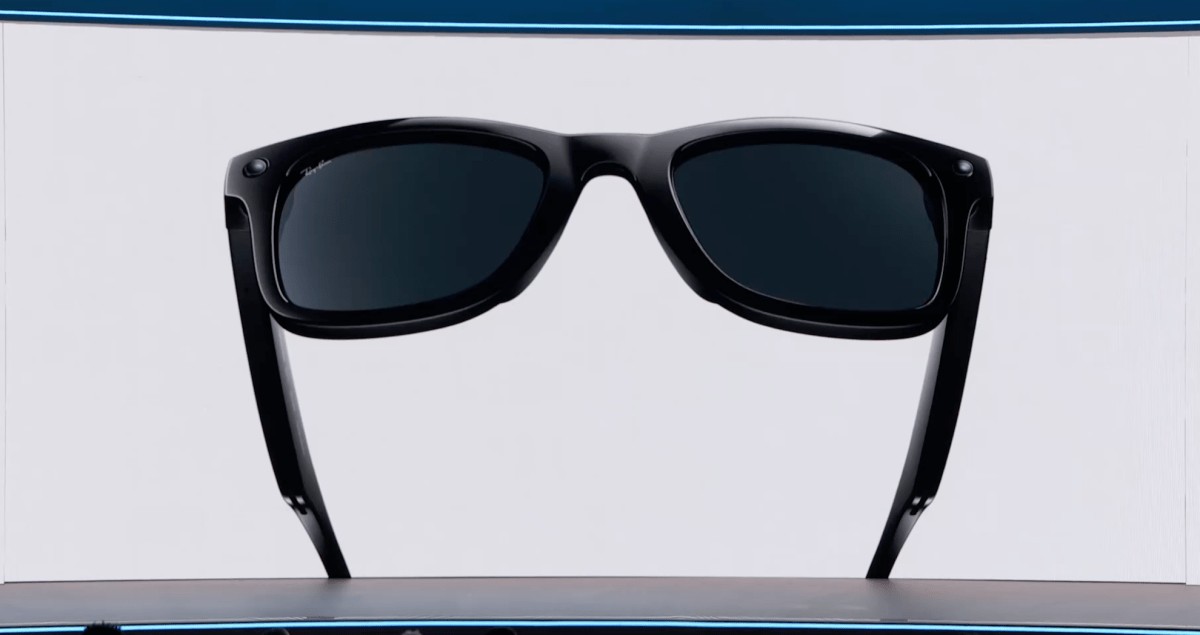
That silence is the part that matters beyond a single product. A wearable computer that sits on a person’s face and records the people around it depends on a social bargain: the light means recording, the absence of the light means no recording. If the light can be on when the wearer did not intend to record, or off when the microphone is open, the signal that bystanders rely on is no longer a signal.
The company’s first suggestion to the user, according to the account, was a list of settings to disable: microphone and camera permissions, wear detection, voice history, automatic updates. Those steps would have turned the glasses into ordinary spectacles. They would also have left the cause unexamined, which is what the user objected to, and which is why the exchange became a public argument rather than a support ticket.
This is the second privacy episode for the line in four months. In June, users found that the glasses would keep recording with the capture indicator physically covered, a failure that speaks to the same weak point in the design: the assurance is enforced by software and a small LED, not by a hardware interlock that a bug cannot reach.
Meta has been here before in a different form. Contractors in Nairobi told reporters in March that they had been paid to review hours of footage captured through the glasses’ live AI feature, including material recorded in bathrooms and bedrooms, as part of the labeling work that trains computer vision systems. The people in that footage had consented to none of it.
The regulatory weather has turned accordingly. Norway has considered a temporary ban on smart glasses in parks, beaches and schools. Courtrooms in several countries now prohibit them. The objections are not about the technology’s capabilities but about the impossibility of consent in a public space, where the person being recorded has no way to know it is happening and no practical way to object.
For Meta, the stakes are commercial as well as reputational. The glasses, built with EssilorLuxottica, are the company’s most visible consumer hardware success and the physical edge of its AI strategy. A device that people wear on their faces all day generates the kind of ambient data that a model company wants, and the pitch to buyers depends on the frames being socially acceptable enough to wear in a restaurant.
Trust in that setting is fragile in a way that software trust is not. A phone that misbehaves can be put in a drawer. Glasses that misbehave are on someone’s face in a conversation with people who did not agree to be recorded, and the remedy available to those people is social pressure applied to the wearer. Every incident raises the cost of wearing the product, which is why the company’s handling of this one is worth more attention than the bug itself.
A fix that arrives without an explanation is a common corporate reflex, and often a defensible one. Companies avoid describing security failures in detail because the description can be a roadmap for the next attacker. The argument is weaker when the failure is not an intrusion but an unintended function, and weaker still when the affected users cannot tell whether their own devices are among those that misbehaved.
The user who reported the problem said he was consulting a lawyer about a possible class action. Whether that proceeds depends on facts Meta has not disclosed, including how many devices recorded without a command and for how long the behavior persisted before the firmware was corrected. Those facts are also what regulators would need in order to decide whether a notification obligation was triggered.
What the episode establishes is narrower and more durable than a product recall. The glasses are a device whose permissions are set by software, updated remotely, and trusted by people who are not the customer. Meta can fix the code in a week. Rebuilding the assumption that the light tells the truth takes longer, and it is not something a release note can accomplish.