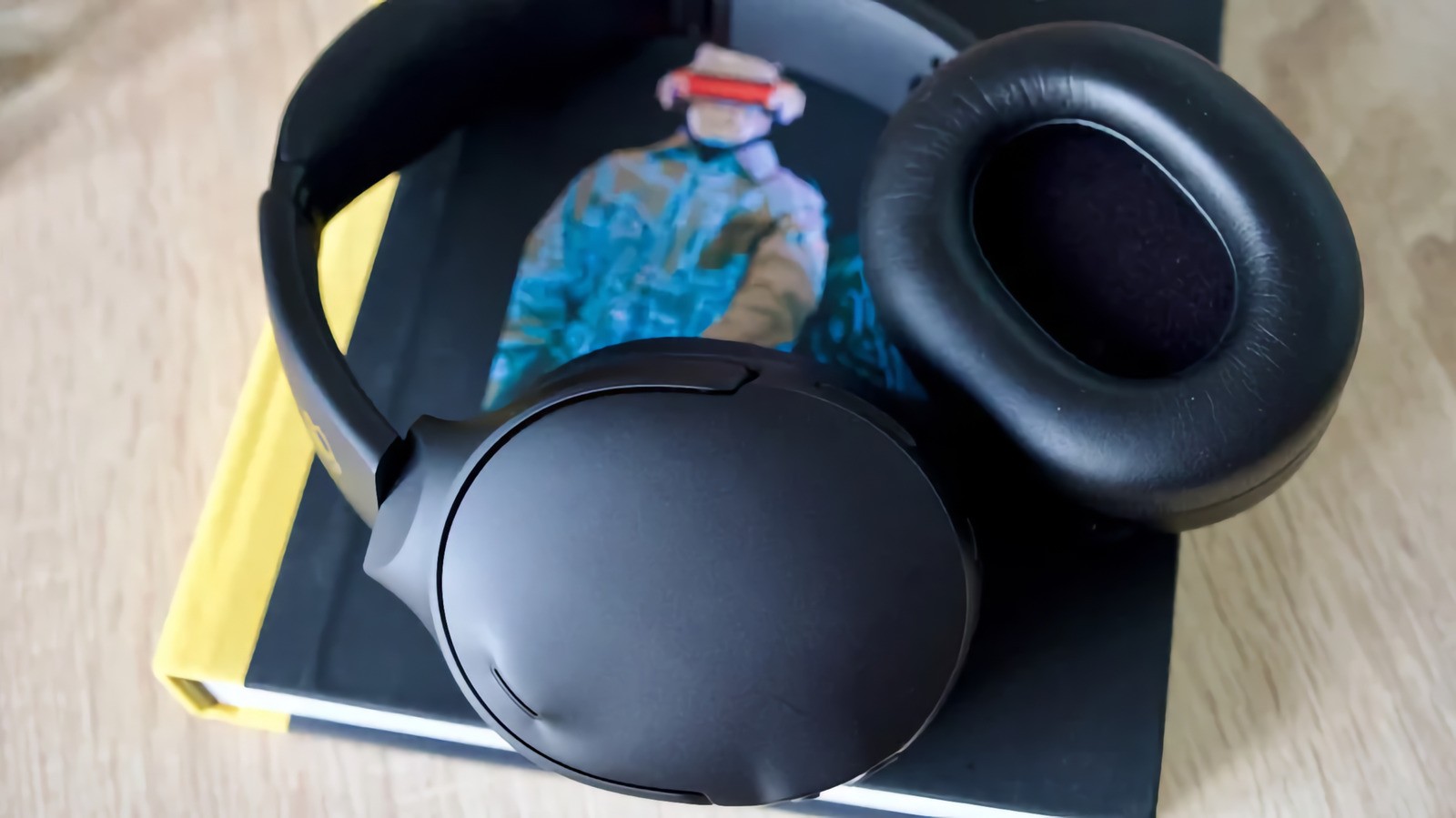
Skullcandy began in 2003 on a chairlift in Park City, Utah, selling headphones to snowboarders who wanted bass and did not want to pay Bose prices. On Wednesday, Bose bought the company, and said it will keep the name, the town and the customers exactly where they are.
The terms were not disclosed. Bose acquired Skullcandy from a fund managed by Mill Road Capital, the Connecticut firm that took the brand private in 2016 at $6.35 a share, roughly $196.9 million. The announcement came from Framingham, Massachusetts, and Park City, and the only numbers in it were the years involved.
Skullcandy will sit inside Bose’s premium consumer audio business as a separate brand, alongside McIntosh and Sonus faber, the luxury names Bose picked up with the McIntosh Group in November 2024. That portfolio now runs from an inexpensive pair of earbuds sold to a high school student to a hand-built valve amplifier for a listening room.
The deal did not come out of nowhere. Bose and Skullcandy have worked together for several years under a licensing arrangement called Sound by Bose, which put Bose tuning and noise processing inside Skullcandy headphones and earbuds. Both sides had already tested whether the engineering would travel down-market without dragging the brand with it.
“Skullcandy is a great example” of the long-term bets a private company can make, Lila Snyder, Bose’s chief executive, said in the announcement, describing a growing portfolio that includes technology partnerships as well as products. Brian Garofalow, Skullcandy’s chief executive, said joining Bose would bring more audio technology into Skullcandy products and open routes to take the brand further.
What Bose is buying is not manufacturing capacity. It is a customer it has struggled to reach: younger buyers, action-sports communities, gamers, gym users, people who treat headphones as part of an outfit. Skullcandy built its following in skate and snowboard culture and has kept those relationships with athletes and musicians for two decades.
That audience matters more than it used to. Grand View Research puts the global earphone and headphone market at $81.8 billion in 2025, rising to a projected $92.6 billion this year. The growth is concentrated at the two ends, in premium noise-cancelling models from Apple, Sony and Bose, and in inexpensive earbuds sold on marketplaces where brand loyalty is thin.
Mill Road made a version of the same argument when it took the company private, saying that leaving the public market let Skullcandy go back to being a lifestyle brand rather than a specifications sheet. Ten years of that work produced an asset a strategic buyer wanted.
Bose sits firmly at the premium end, with a price architecture built on research and retail demonstration. The company is privately held, with a non-voting stake held by MIT, and its products are sold through its own stores and a narrow set of partners. That structure has protected margins and limited reach.
Skullcandy arrives with the opposite profile: wide distribution through big-box retailers and marketplaces, aggressive pricing, loud design, a gaming headset line, and a customer who replaces a $60 pair without much deliberation. Its competitors at that end are Anker’s Soundcore, JBL and a wall of Shenzhen brands, all of which compete on the same shelf. It also arrives with a wholesale network that Bose does not control, which is why distributors in some markets spent Wednesday asking what happens to their agreements. Bose said Skullcandy will stay in Park City and keep its own identity, but said nothing about channel structure.
The strategic logic is familiar from other consumer categories. Procter & Gamble runs Tide and Gain for different shoppers. Volkswagen owns Skoda and Porsche. A company with engineering to sell can amortize it across price points only if it owns brands at those price points, and licensing reaches only so far.
For Bose, the alternative to buying a budget brand was to launch one. That is expensive, slow, and in audio, usually unconvincing: shoppers who want cheap headphones do not walk into a Bose store to find them. Buying an established name avoids the credibility problem and brings a management team that already knows the customer.
The risk sits in the middle of the price ladder. If Skullcandy products start carrying Bose noise cancelling and Bose pricing, the brand loses the reason it exists. If they stay cheap and undistinguished, Bose has bought revenue without learning anything. The licensing arrangement already showed the engineering can be handed over; the harder question is how much of it can be handed over without confusing either customer.
There is also the matter of the seller. Mill Road held Skullcandy for a decade after taking it private, a period in which the brand was rebuilt around lifestyle positioning rather than specifications. Private equity exits in hardware usually end in one of two ways, a sale to a strategic buyer or a sale to another fund. This one went to a strategic buyer that already knew the asset.
Bose has spent its sixty-plus years selling one idea, that sound quality is worth paying for. The portfolio it is assembling suggests a second idea alongside it: that not everyone will pay for it, and those customers should still be buying from Bose.
Whether a brand can be kept separate while its products are quietly improved is the question that will decide whether this was a purchase of a business or a purchase of a mailing list.