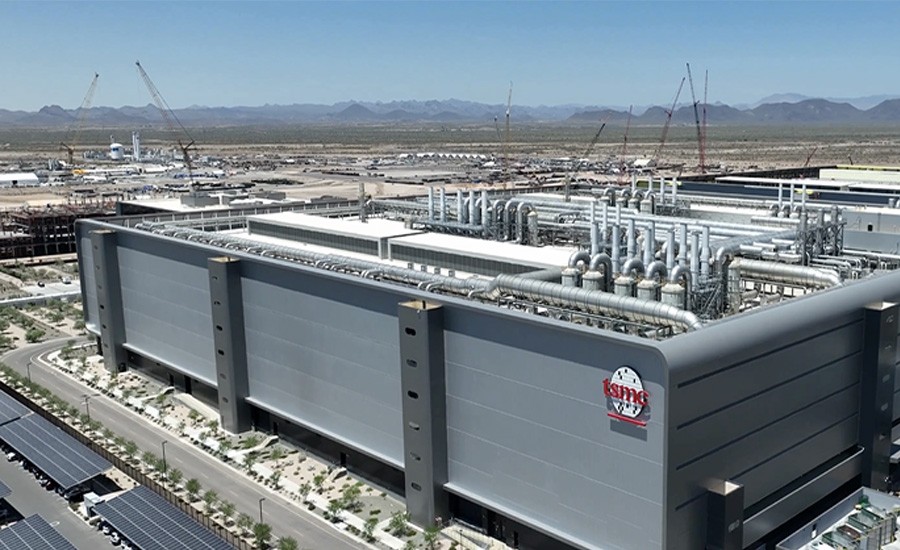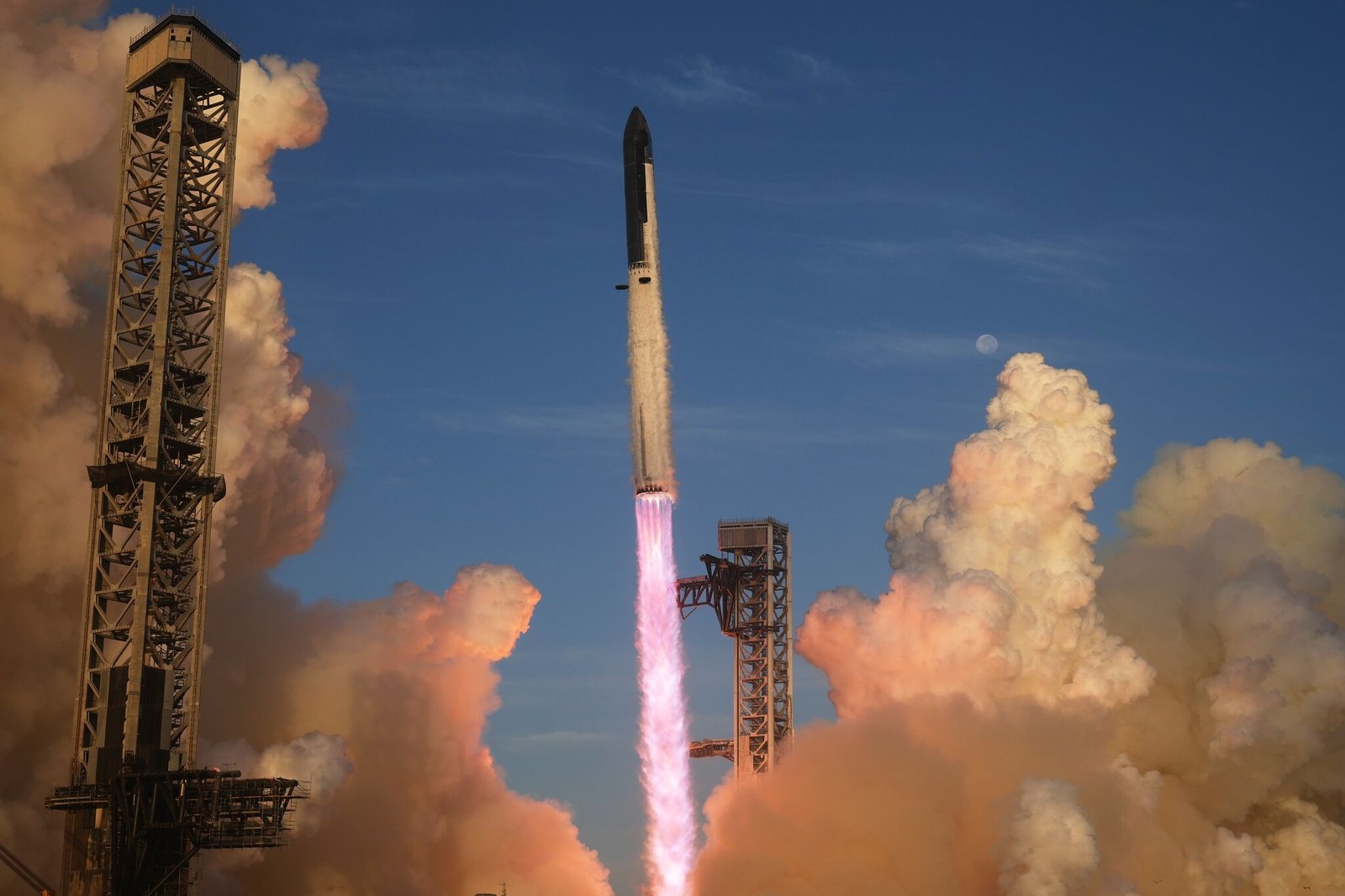
Elon Musk’s two largest companies are edging toward a combination that would be the biggest corporate transaction ever attempted, at the same moment one of them is preparing to retire the rocket the Pentagon relies on most.
SpaceX and Tesla are aiming to announce a merger in the first half of 2027, according to people familiar with the matter, a window chosen so the deal can close while President Donald Trump remains in office. The two companies carry a combined market value of roughly $3.7 trillion. No schedule has been published and no terms have been agreed.
Special committees of independent directors at both companies are working through structure and price. Musk, who runs both, has said he would recuse himself from the negotiations. On SpaceX’s earnings call this week he called a combination “a good idea,” then cautioned that persuading Tesla’s shareholders would be the harder task.
The voting arithmetic explains the caution. Musk holds more than 80% of SpaceX’s voting power but only about 20% of Tesla’s stock. SpaceX, which listed on June 12 at $135 a share, has climbed 47% since Aug. 5, making its equity an attractive currency for a transaction of this size, analysts said. Tesla shares fell more than 3% in after-hours trading on Wednesday after the carmaker reported a 43% drop in quarterly profit.
Politics sets the deadline. Midterm elections on Nov. 3 could hand Democrats control of either chamber of Congress, opening Musk’s companies to subpoenas and hearings while a president nearing lame-duck status loses much of his ability to shield them. A sustained selloff in chip and artificial-intelligence stocks is the market risk: it would compress the value of the shares SpaceX would use to pay for Tesla and chill the investor appetite a deal this large requires.
JPMorgan analysts doubled their price target on SpaceX to $500 this month and flagged a complication regulators will have to weigh. SpaceX’s national-security contracts sit awkwardly beside Tesla’s large manufacturing footprint in China, a pairing that invites scrutiny from both Washington and Beijing. Neither company responded to requests for comment on the timing, according to Bloomberg, which first reported the target window.
The launch problem landed the same day. Politico reported that SpaceX intends to phase out Falcon 9 in favor of Starship, a far larger vehicle that many military satellites were never designed to fit. SpaceX accounted for 85% of U.S. launches in 2025, according to the report, dwarfing every competitor.
The Space Force now confronts a gap it cannot quickly fill. United Launch Alliance’s Vulcan has been grounded since a solid-rocket-booster anomaly on a Feb. 12 national-security mission, with no return-to-flight date posted. Blue Origin’s New Glenn exploded on its Florida pad in May, damaging the facility. “Everybody’s having problems, so the Space Force is freaking out a little bit about launch,” one former Space Force official told Politico.
The shortfall is already visible in commercial pricing. SpaceX has stopped accepting rideshare orders that let small satellite operators buy space on a Falcon 9 alongside other payloads, pushing customers toward dedicated launches they must book years ahead. Robert Perez-Aleman, who leads space efforts at the Pentagon’s Defense Innovation Unit, has said thousands of satellites are scheduled for launch by 2030 and that shortfalls will leave more of them on the ground.
For the military, the merger would concentrate an uncomfortable amount of dependency in a single entity. The government’s dominant launch provider would become part of the same company building the data centers and AI systems the Defense Department is buying, all under a chief executive whose political exposure is rising rather than falling. Reviewers in Washington would have to weigh national-security risk against the fact that no alternative can match the capacity.
The financial case rests on Starlink. SpaceX reported third-quarter revenue of $14.58 billion, up 161% from a year earlier, its first profitable quarter since listing, with the satellite broadband business supplying most of it. A combination would fold a profitable connectivity unit, a launch monopoly, an AI division and a carmaker running a 2.6% operating margin into a single security, and force the index funds and pension managers who own Tesla today to accept exposure to rockets and satellites they never bought.
The backlog at United Launch Alliance tells its own story. Roughly $5.3 billion of national-security missions sit in its Phase 3 Lane 2 award, work that cannot move while Vulcan stays on the ground.
For Tesla’s shareholders the question is narrower and more immediate: whether a carmaker whose operating margin just halved should be paid for with stock whose value depends on AI enthusiasm holding through a midterm election and a long integration.
Musk has spent a decade arguing that his companies are worth more together than apart. The rocket shortage makes his case for him, and also makes the case against letting one man control both the launch pads and the capital that pays for them.
If the government’s access to orbit narrows to a single rocket family while that family’s owner is merging with its largest customer, who is left to say no?