Most autonomous-vehicle companies can show a demonstration, a pilot programme and a memorandum of understanding. Kodiak AI now has a signed order for trucks that will run with nobody in the cab.
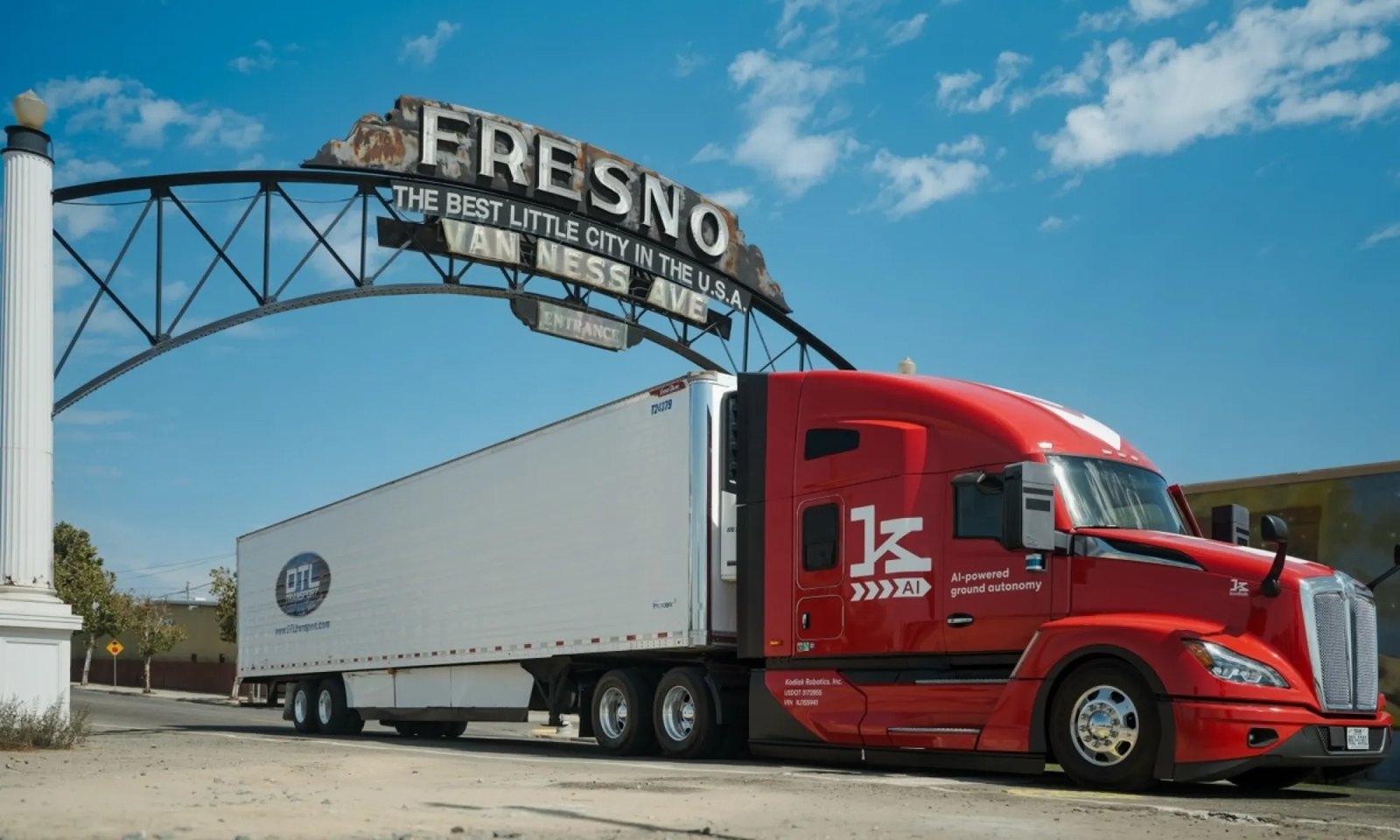
The company said on Wednesday that it will deliver 75 driverless trucks to DTL Transport, a California carrier that hauls fresh food and grocery loads, beginning in 2028. Kodiak described the agreement as the first binding commercial contract for driverless heavy trucks on public highways, a distinction that separates it from the pilots that have carried the sector’s valuations for five years.
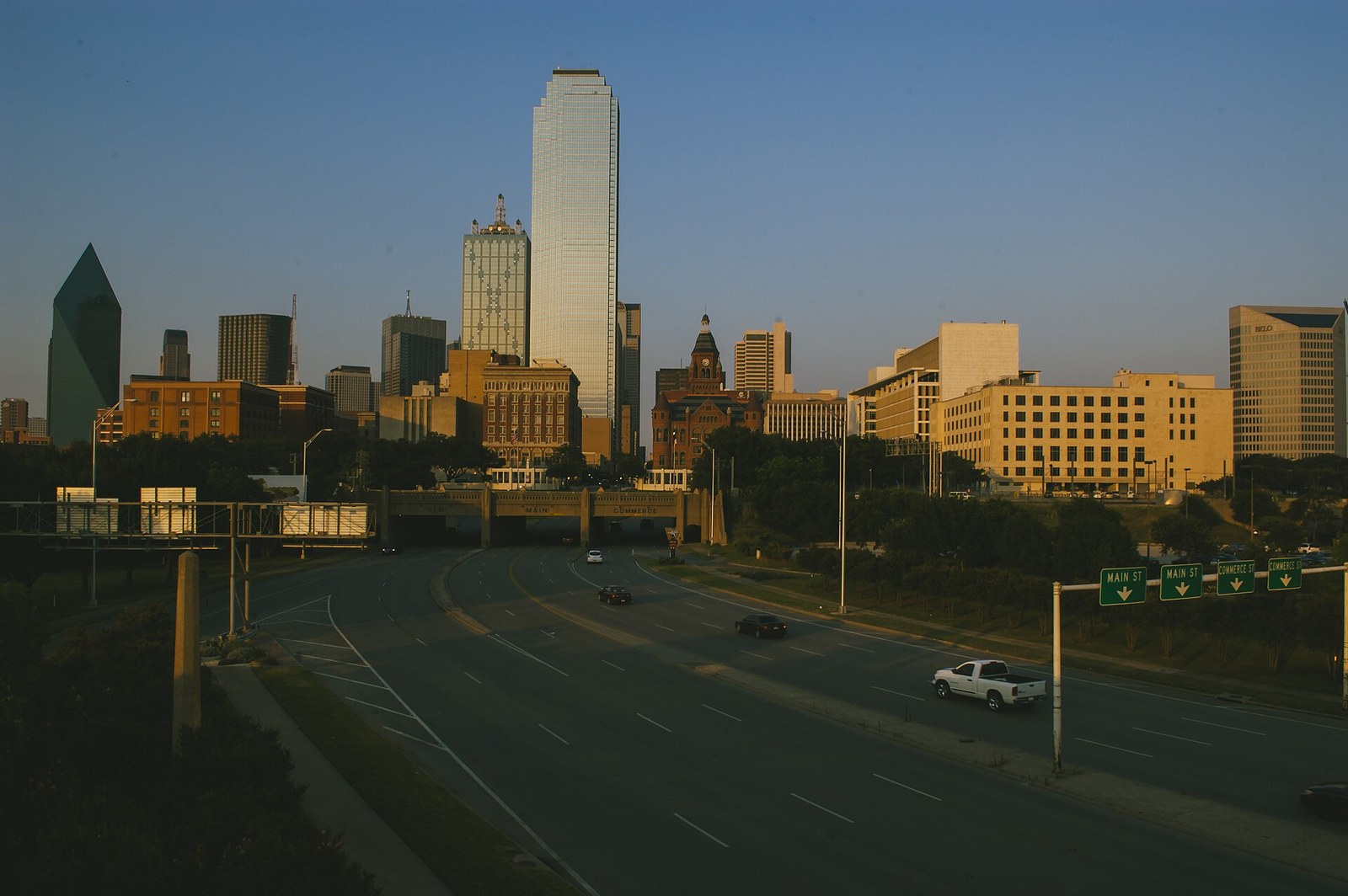
The lanes are named. DTL will run the trucks between Dallas and El Paso, and between Dallas and Atlanta along Interstate 20, corridors where Kodiak has already completed test operations. Before any of that, in December, the company plans to begin commercial driverless service without a safety driver on Interstate 45 between Dallas and Houston, carrying freight for IKEA.
Why the Southwest, and why those lanes, is not a mystery. Texas allows driverless commercial operation without a special permit regime, its highways are wide and straight, and the freight corridors out of Dallas run through states with similar rules. The distances are long enough that a driver’s legal day ends before the load does, which is the gap the technology is selling into.
Federal rules limit a driver to eleven hours behind the wheel in a fourteen-hour window, with mandatory rest afterwards. A truck that does not need a driver does not need the rest, and can cover a thousand miles while a crewed truck sits at a stop. That difference is the entire business case: the tractor becomes more productive by roughly a factor of two, and the driver’s pay, the largest cost after fuel, comes off the bill.
The trucks still cost more to build. Sensors, redundant braking and steering, and the computing that decides what to do when a mattress falls off a pickup ahead all add to the price of a tractor that is already the most expensive asset a small carrier owns. The bet is that the extra capital is repaid by the hours the vehicle runs rather than the hours a person is willing to sit.
The sector’s history argues for caution about timelines. The first wave of autonomous trucking companies went public in 2021 on projections of driverless freight within two years, burned through capital building sensor stacks, and then retreated to hauling with a safety driver aboard. One of the largest wound down its American operations entirely. What survived was the humbler version: fixed lanes between freight hubs, mapped in detail, with a human taking over at each end.
Kodiak’s own record on that list is mixed. The company listed in September 2025 and its shares are down about 87 per cent from the first-day price, a fall that reflects the market’s revised view of how long commercial autonomy takes and how much capital it consumes before revenue arrives. A binding order for 75 trucks does not repair that arithmetic on its own. A national fleet runs in the millions.
What it does repair is the argument about demand. A carrier that signs for 75 trucks, with delivery dates and presumably penalties attached, has made a judgment about its own costs that a pilot programme never requires. DTL moves food, a business with thin margins and strict delivery windows, and its managers have decided that a truck without a driver is cheaper over the life of the asset than one with.
The customer base that matters is not the giant fleets. The large carriers have the capital to wait and the scale to run their own tests, and they have been content to let smaller operators absorb the early risk. Regional grocers, produce distributors and drayage companies run older equipment on fixed routes and feel every dollar of driver pay, which makes them the natural first buyers.
Regulation remains the open question. There is no federal rule that governs driverless trucks as a category, so each state writes its own, and a carrier running Dallas to Atlanta crosses three of them. The lanes Kodiak has chosen are the ones where the answer is already settled. A national network would need the other forty-seven states to agree, and there is no mechanism that makes them.
Insurance will decide the pace as much as engineering does. Underwriters have no long record to price a truck without a driver, and the first carriers to run them will pay for that uncertainty in premiums until the claims data exists. That cost sits outside the hardware budget and is the part of the model the order does not disclose.
For the industry, the significance of the announcement is narrower than the headline. It is one contract, with one customer, for trucks that do not exist yet, on routes that have been driven in testing. But it moves the discussion from whether driverless freight works to who will pay for it, and that is a different argument, conducted with purchase orders rather than press releases.