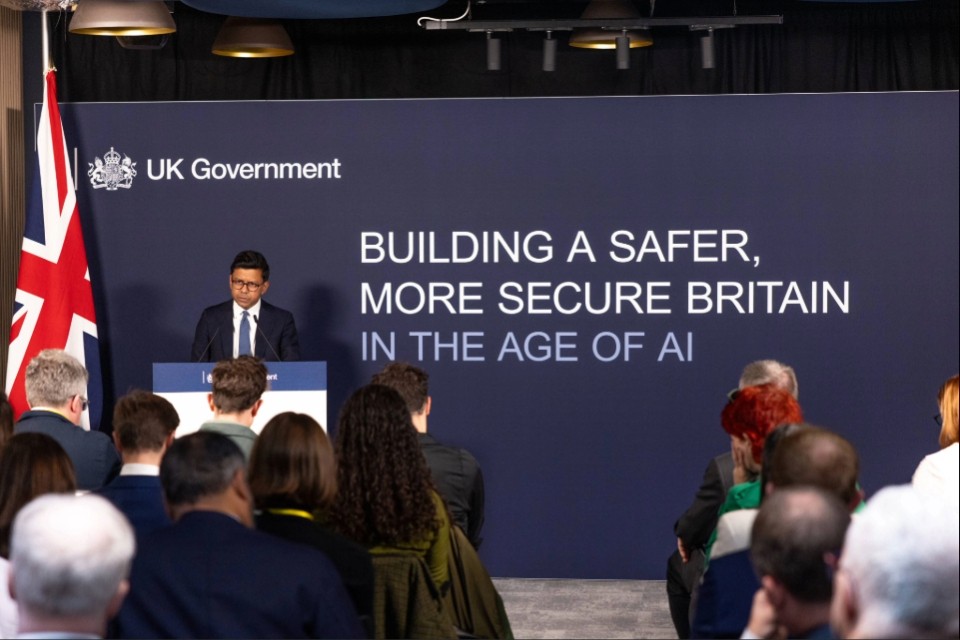
Chris Lehane’s team spent the weekend before the midterm elections putting the finishing touches on a public-relations campaign, and one item on the list was a change of vocabulary. OpenAI, the people briefed on the plan said, would stop calling its buildings data centers. They would be AI compute campuses.
The report, first published by Axios on Sunday and confirmed hours later by an OpenAI spokesperson, lands on the eve of a vote that the company expects to change the terms of its political life. “The midterms are a bit of a movie trailer for what you’re going to see in 2028,” Lehane, OpenAI’s chief global affairs officer, told Axios, predicting that AI would be the issue in the next presidential election.
The renaming is one line in a larger package. Lehane described proposals for AI “speed limits”, for convincing the public that the technology expands what people can do, and for an American role in setting global standards. Axios reported that his global affairs team intends to open Congress’s lame-duck session with proposals on frontier AI safety, community agreements with host towns, and state legislation on where facilities can be sited.
The word itself is doing work that a policy cannot. A data center is a shed full of servers that draws a substation’s worth of power and returns little to the town that hosts it, which is close to how many neighbours now describe one. A campus carries a different set of associations: a place with a gate, a lawn and an institution behind it, the kind of thing a planning board approves because it sounds like a school.
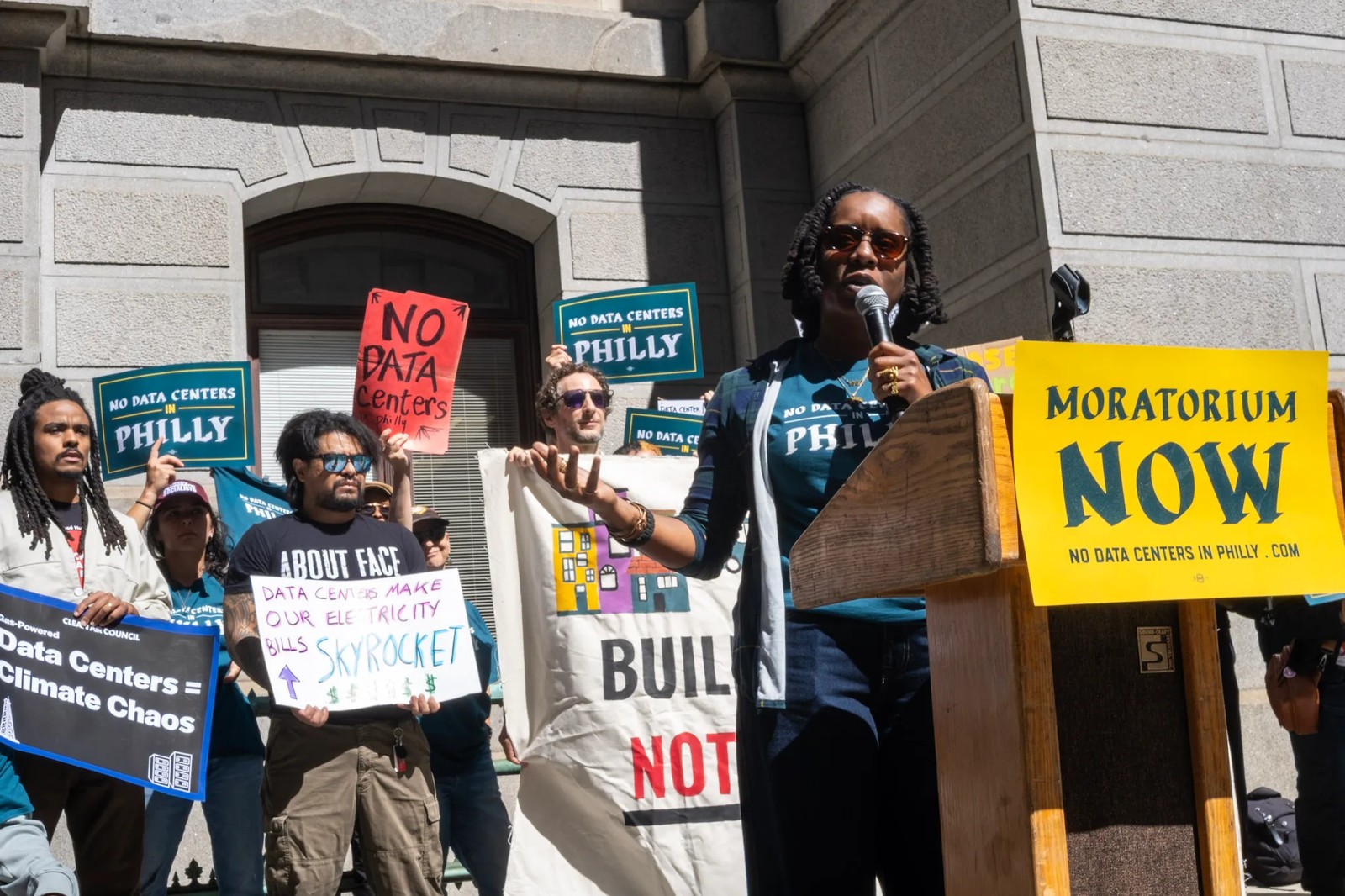
The opposition that prompted the change is measurable. In a Quinnipiac poll in September, 72 per cent of respondents opposed a new data center in their own community, up from 65 per cent in March. Forty-one related measures are on ballots in ten states on Tuesday, according to Ballotpedia’s tally, and Ohio alone accounts for 21 of them, in a state where 138 municipalities have already imposed moratoriums. Data Center Watch counted at least 45 projects worth a combined $68 billion that were stalled by local opposition in the second quarter.
Lehane did not dispute any of that. He called the argument over data centers “good and healthy”, and said communities should hold companies accountable so that they “really and truly get a transformative benefit from these projects”. That is the language of a company that has concluded the fight is local and that it has been losing it.
There is precedent for what OpenAI is attempting. The industry renamed server farms as cloud infrastructure two decades ago, and the abstraction did more than any white paper to make the business legible to investors; the physical plant disappeared from the conversation. More recently, hyperscalers have taken to describing their leases, their water use and their backup generators in the language of stewardship, with mixed results in the towns that host them.
The concessions are already arriving elsewhere. Amazon and Microsoft have both said they will no longer use non-disclosure agreements when negotiating with local governments over new facilities, a practice that had allowed towns to learn the terms of a project only after they had signed. That retreat, reported this autumn, is the clearest sign that the industry expects siting to be contested in public from now on.
OpenAI’s exposure to that contest is larger than most. The company has described infrastructure commitments of roughly $1.4 trillion over eight years, a figure that only works if the buildings get built, energised and paid for, and every one of them requires a local permission. A rebrand cannot produce a grid connection. It can, at the margin, change who shows up at the hearing.
Analysts said the campaign is best read as an attempt to move the debate from cost to purpose, and that it will be judged at the county level rather than in Washington. A planning commission in Ohio or Virginia is not weighing the national interest in frontier models. It is weighing traffic, noise, water and the price of electricity for its own residents, and it has heard from the company’s lawyers rather than its researchers.
The name will be tested quickly. OpenAI’s next round of site announcements will use it, and the first local newspaper that writes “so-called AI compute campus” will decide whether it sticks. Companies have won such arguments before, usually when the thing being renamed delivered something the town could see.
What has not changed is the arithmetic behind the phrase. A campus implies a fixed population and a bounded footprint; a compute buildout at the scale OpenAI has promised is a rolling programme that adds capacity wherever power is cheap and permission is granted. The gentler word describes a smaller thing than the company intends to build.
Lehane’s own framing gives the game away. If 2028 is when AI becomes the central issue in American politics, then the constituency OpenAI needs is not the one that reads its research blog. It is the one that votes on zoning, and that constituency has spent the past year saying no under the old name.