The change went live at midnight UTC, and by morning the developer forums were full of arithmetic. GitHub switched Copilot from a flat-rate subscription model to token-based billing on June 1, replacing the premium request system that millions of developers had used for years with a metered currency called AI Credits. One credit costs one cent, and every interaction now consumes credits based on the input, output and cached tokens processed, with per-model rates that vary depending on which AI model a developer chooses. The reaction was immediate, loud and overwhelmingly negative.
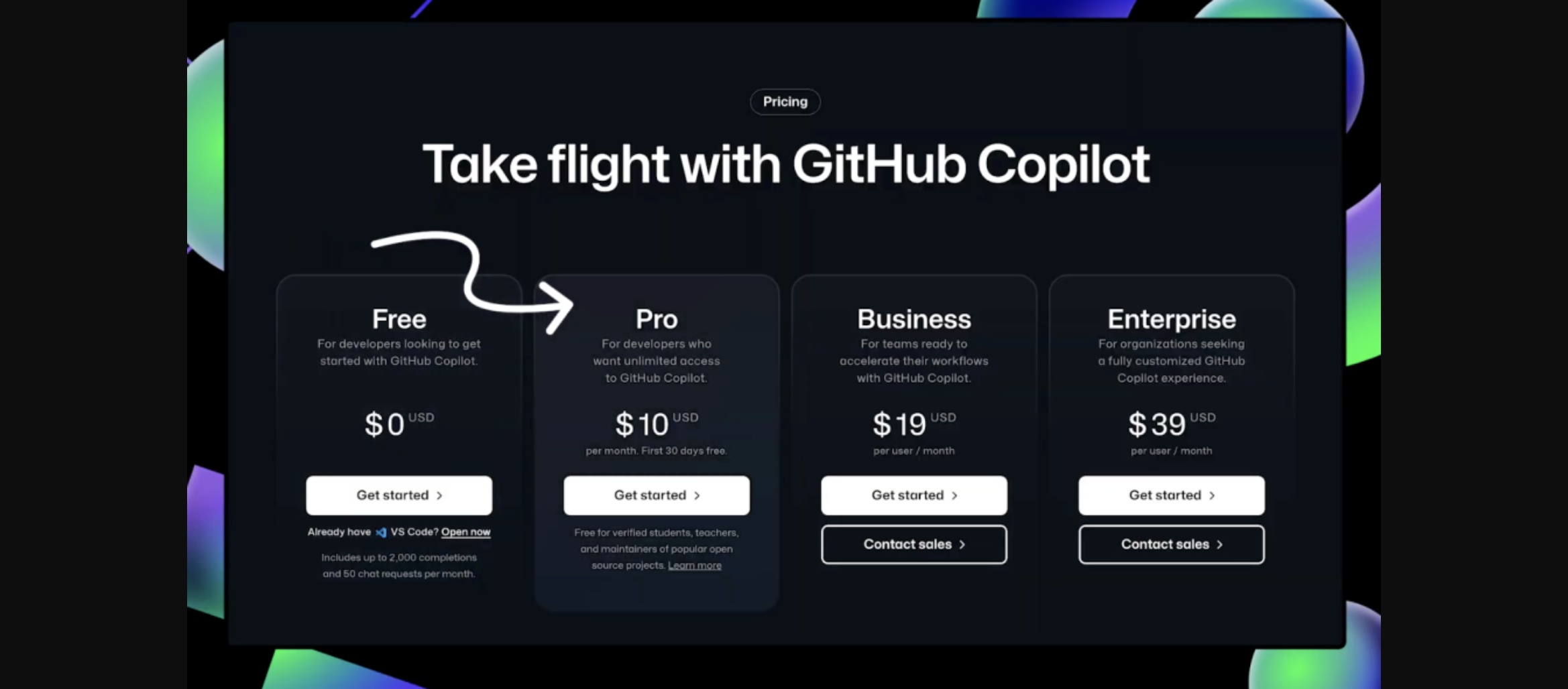
The scale of the change explains the anger. Copilot has about 4.7 million paid subscribers, and most of them woke up to a different product than the one they used the day before. The headline subscription prices did not change: Pro remains $10 a month, Pro+ $39, Business $19 per user and Enterprise $39 per user. But those prices now buy a fixed pool of credits rather than unlimited premium requests. A Pro subscriber gets 1,000 credits a month. A developer who runs a single agentic coding session, the kind where an AI agent plans, writes code, runs tools and iterates, estimated that session consumed $30 to $40 in credits, three to four times a Pro subscriber’s entire monthly allotment. Developers reported bill increases of 10 to 50 times for heavy usage.
The community discussion on GitHub’s own forum drew more than 400 comments and nearly 900 downvotes, and the reaction spilled onto Reddit and X, where developers described the change as a de facto price increase disguised by unchanged headline rates. A developer on the forum reported getting exactly 10 requests to a top-tier model for $40, an effective cost of $4 per conversation turn with the flagship model. The old system had a safety valve: when premium requests ran out, Copilot quietly fell back to a cheaper model so work could continue. That fallback is gone. When credits run out, premium features stop until the next billing cycle, unless the user has enabled additional spending.
GitHub had telegraphed the change. Chief Product Officer Mario Rodriguez announced the shift on April 27, arguing that Copilot had evolved from an in-editor assistant into an agentic platform and that the old flat-rate model was no longer sustainable. Internal Microsoft documents obtained by journalist Ed Zitron and reported in his newsletter added context: the week-over-week cost of running Copilot had nearly doubled since January, making the transition feel less like a strategic plan and more like an emergency response. Microsoft, which reportedly subsidized heavy Copilot users at a significant loss, needed the economics to change. The company’s data center costs, driven by AI chips and model inference, are the largest line item in its AI ambitions.
GitHub has tried to cushion the landing. It is offering promotional credits for June, July and August, an extra $30 a month for Business customers and $70 for Enterprise, and it has kept basic code completions and next-edit suggestions free and unlimited. Annual plans are being retired, with annual subscribers moved to the new model when their terms expire. The company frames the change as the natural maturation of a product that moved from autocomplete to autonomous coding, and it points out that usage-based pricing is how the rest of the AI industry works; OpenAI, Anthropic and Google all charge API customers per token.
The developer backlash is not just about money; it is about predictability. Under the old model, a developer knew their monthly cost. Under the new model, the cost of a session depends on the prompt length, the model selected, the context files loaded and the complexity of the output, which makes budgeting nearly impossible. One developer’s comment captured the mood, describing the change as a joke, a reaction the company’s community managers have been fielding since the announcement. The deepest complaints come from the developers who adopted agentic coding most enthusiastically, the exact users GitHub is trying to retain.
The competitive implications are significant. Copilot’s rivals, including Cursor, Codeium and Amazon’s Q Developer, have been positioning their own pricing as a differentiator, and several have responded to GitHub’s change by emphasizing predictable pricing. Copilot’s advantages remain real: deep integration with GitHub’s pull request and issue workflow, and support across VS Code, JetBrains, Neovim, Visual Studio, Xcode and Eclipse. But the agentic coding market is young, switching costs are lower than they were, and a pricing change that alienates power users hands competitors an opening.
Analysts said the shift reflects a broader industry movement toward usage-based AI pricing, as the cost of running frontier models forces providers to meter consumption. The tension is that developers have been trained to expect flat rates from their tools, and AI coding assistants are tools first and AI products second. Microsoft’s calculation appears to be that the economics leave no choice, and that the promotional credits will carry the community through the transition. The question is whether the developers who ran the numbers on June 1 will still be there when the promotions end in September. The math, this time, was not on GitHub’s side of the argument.