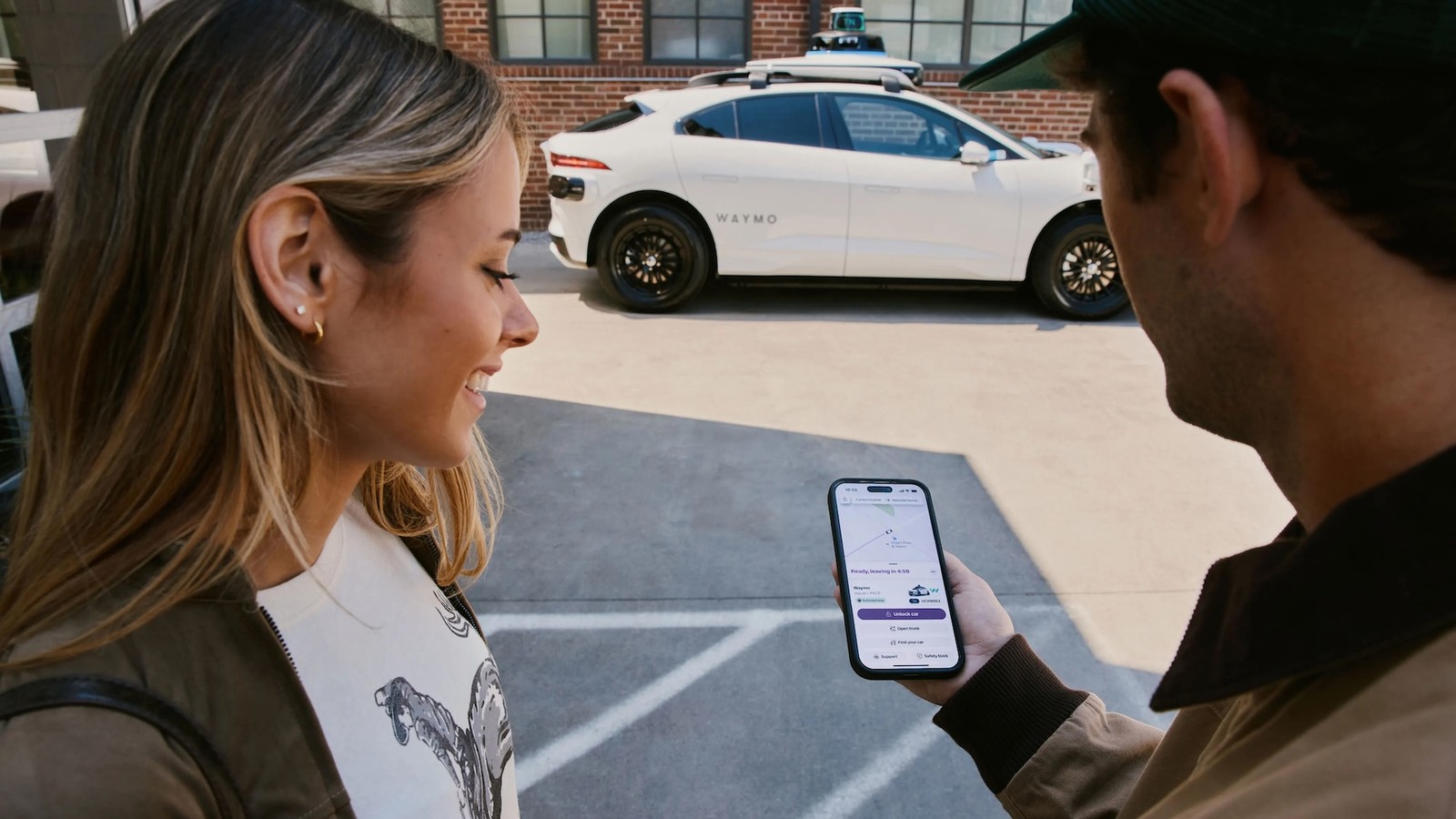
Lyft riders in Nashville can now summon a car with no one in the driver’s seat. On September 13, Waymo’s driverless taxis became available through the Lyft app, the first time Lyft has operated a commercial robotaxi service without safety drivers. The launch places Lyft in a market it abandoned as a builder and is now entering as a platform.
Lyft is not developing the self-driving technology. Waymo provides the autonomous system and the vehicles, while Lyft handles the pieces it knows well: fleet services, vehicle preparation, maintenance, and depot operations. A Lyft subsidiary, Flexdrive, carries out that work.
The arrangement follows a decision Lyft made years ago. In 2021, the company sold its self-driving unit to Toyota’s Woven Planet for $550 million, conceding that it could not afford to compete with Waymo and Cruise on building the technology. Since then, Lyft has argued that its network of riders and drivers would make it a natural home for whoever solved the problem.
The bet is now being tested. By putting Waymo’s cars on its app, Lyft gains access to a technology it does not have to fund, while Waymo gains access to Lyft’s demand. Both companies have described the partnership as a way to reach riders without duplicating each other’s work.
The Nashville launch is a starting point, not a full rollout. The companies have not said how many vehicles are in service or how quickly the service will expand. Robotaxi economics depend on utilization, and the early phase is about proving that riders will accept driverless cars and that the operations can scale.
Lyft’s platform strategy extends beyond Waymo. The company has said it plans to add vehicles from Baidu to its expansion list for 2026 and 2027, signaling that it wants to be a marketplace where multiple autonomous providers compete. That would let Lyft arbitrage between suppliers rather than depend on one.
The robotaxi market has consolidated around a few players with deep pockets. Waymo leads in the United States, backed by Alphabet, and has expanded from Phoenix to San Francisco, Los Angeles, Austin, and now Nashville. Lyft’s rival Uber has its own partnerships, including one with Waymo, which means the two ride-hailing companies now compete for the same driverless capacity.
That overlap is awkward but not fatal. Lyft and Uber both want autonomous rides because they carry no driver payout, which improves the margin on each trip. The competition is over how much of that margin each platform can capture, and over which fleet owners they can lock in.
For Lyft, the partnership is a low-cost way to stay relevant. The company lacks the balance sheet to build or buy a self-driving stack, and its platform has lost ground to Uber in recent years. Hitching itself to Waymo lets Lyft offer the same headline product as its larger rival.
The Nashville choice is notable because the city is not one of Waymo’s coastal strongholds. Launching in a mid-sized market tests whether robotaxis work outside dense, gridlocked cities, where the economics and driving conditions differ. Both companies will be watching the data closely.
Analysts said the partnership’s value to Lyft depends on scale. A handful of cars in one city does not move the company’s numbers, but a network of autonomous vehicles across many cities could change its cost structure. The path from the first city to a broad footprint is long and expensive.
Waymo, for its part, gains a second distribution channel without ceding its technology. The company has kept control of the autonomous system and the vehicle, which is where its advantage lies. Lyft brings riders and operational labor, which Waymo would otherwise have to build itself.
The launch comes as the ride-hailing industry’s economics are being redrawn by autonomy. Drivers remain essential today, but the companies that control the technology and the fleets will set the terms of the next phase. Lyft’s bet is that a platform can earn a place in that future without owning the hardest part.
Lyft’s earlier exit from self-driving development was widely read at the time as a surrender. The Nashville launch suggests the company saw the same facts differently: that the winning technology would be too expensive for anyone but a few to build, and that the durable business would be in matching that technology to demand.
The partnership also hands Lyft a test case in a market where it trails. Lyft’s share of U.S. ride-hailing has hovered well below Uber’s for years, and autonomous rides offer a way to compete on product rather than price. Whether Waymo’s presence in the app changes rider behavior is something both companies will measure closely.
Whether that logic holds will show up in the numbers Lyft reports over the coming quarters. If autonomous rides lift revenue without a matching rise in costs, the platform argument gains force. If the volumes stay small, the partnership will look like a hedge rather than a strategy.