The chips that remember are now the chips that matter most. Over September 20 and 21, shares of Samsung Electronics and SK Hynix rose in tandem, driven by a shortage of the high-bandwidth memory that AI systems cannot do without. The rally came even as a broader selloff in AI infrastructure stocks suggested investors were beginning to doubt the boom.
SK Hynix carried extra momentum of its own. The company announced a large-scale share buyback and posted record AI chip earnings, giving investors two reasons to bid the stock higher in the same week. Samsung, the world’s largest memory maker by revenue, rose with it, as the shortage that has squeezed buyers now shows signs of reaching shareholders.
Korean industry forecasts are now pointing to a global chip market of more than $1.6 trillion this year. The figure, cited by industry analysts in Seoul, reflects a market where memory prices, not logic chips and not software, are doing the heavy lifting. For months, the worry has been that AI spending would slow. So far, that worry has not reached the factory floor.
Memory is the most unforgiving variable in the AI supply chain. Compute can be delayed; a company can wait a quarter for a GPU. Capacity cannot. When memory is short, every AI data center on the planet competes for the same wafers, and the price moves accordingly. High-bandwidth memory, the kind stacked next to AI accelerators, has been in short supply for more than a year, and the shortage has only deepened as the newest accelerators demand more of it per chip.
The dynamic has reversed a brutal cycle. Only two years ago, memory makers were cutting production and writing down inventory as a glut crushed prices. Samsung and SK Hynix both reported steep losses. Now the same companies are rationing supply and raising prices, and their share prices have recovered with the turnaround. The memory industry has always been cyclical; what is unusual is the speed and scale of the swing.
Samsung’s position in this upcycle is more complicated than its rival’s. SK Hynix has taken a clear lead in high-bandwidth memory, the segment that commands the biggest premiums and the strongest demand. Samsung, which lost that lead, has been working to close the gap, and its stock has lagged SK Hynix’s over the past year. The shortage lifts both, but it lifts SK Hynix more.
The buyback only widens the gap in shareholder returns. SK Hynix’s decision to repurchase shares on a large scale signals confidence that its record earnings will persist, and it gives investors a reason to hold the stock even if the AI trade wobbles. Samsung, which has faced pressure from its own shareholders to return more capital, has been slower to move.
Analysts caution that the $1.6 trillion figure depends on the shortage persisting through the second half of the year. If AI infrastructure spending pauses, and the recent selloff suggests some investors think it might, memory prices could soften quickly, and the rally could unwind as fast as it built. The market, for now, is betting that capacity constraints will outlast the fear.
The physical facts support the bulls. Building a new memory fab takes years and tens of billions of dollars, and the high-bandwidth-memory lines that serve AI customers are largely spoken for. Even if demand slows, supply cannot be switched on overnight, which keeps a floor under prices in the near term. That is why the Korean chipmakers have kept climbing while AI software names have wobbled.
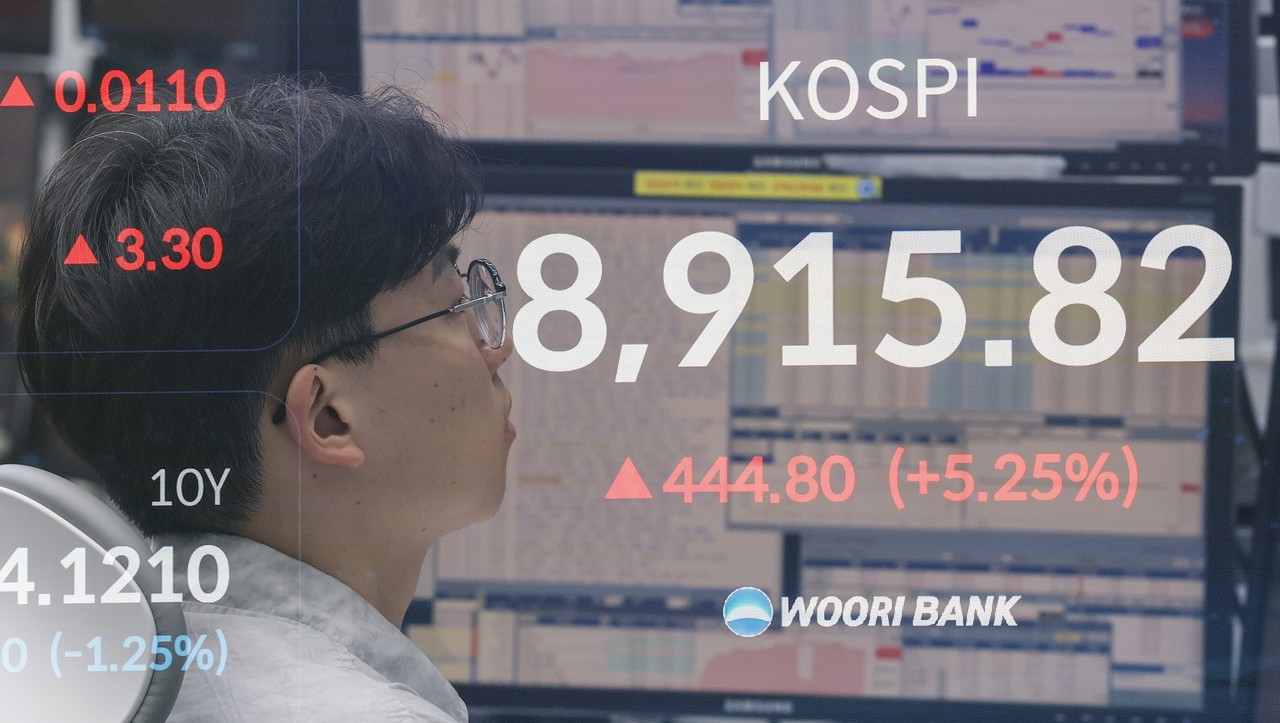
For South Korea, the stakes extend far beyond two companies. Samsung and SK Hynix are the two largest companies in the country’s stock market, and their combined weight means the memory cycle moves the entire KOSPI. When memory prices rise, the Korean economy’s export figures rise with them, a fact that gives the shortage political as well as financial significance.
The shortage is most acute in high-bandwidth memory, or HBM, the fast DRAM stacked directly beside AI accelerators. Nvidia’s newest chips carry more HBM than their predecessors, and each generation multiplies the megabytes of memory a single accelerator consumes. Demand from those accelerators has soaked up a large share of the industry’s most advanced capacity, leaving less for conventional DRAM and NAND. That spillover is why a shortage that began in a premium niche is now lifting prices across the entire memory complex.
The next test comes with earnings. Both companies will report in the coming months, and the numbers will show whether the shortage has translated into the kind of margins that justify the run-up. Until then, the rally rests on a simple proposition: that the world’s appetite for memory will keep growing faster than the industry’s ability to supply it, and that the $1.6 trillion forecast is the floor, not the ceiling.