SpaceX has gained exclusive access to classified space-tracking data from the U.S. Department of Defense, a channel that until now had been reserved for a small number of government agencies, according to reports of the arrangement.
The deal, reported by Dealbreaker and Benzinga on Sept. 24, allows SpaceX to draw on the Pentagon’s data for what was described as internal use. The details of what the company can see, and what it gives in return, were not fully disclosed, and neither SpaceX nor the Defense Department offered public comment on the terms.
Space-tracking data is the picture of everything moving in orbit: where satellites are, where debris is, and what might be drifting toward a collision. The military calls it space domain awareness, and it has long been treated as a government function. Handing a private company direct access to the raw stream moves SpaceX inside a circle that has historically included only agencies and their closest contractors.
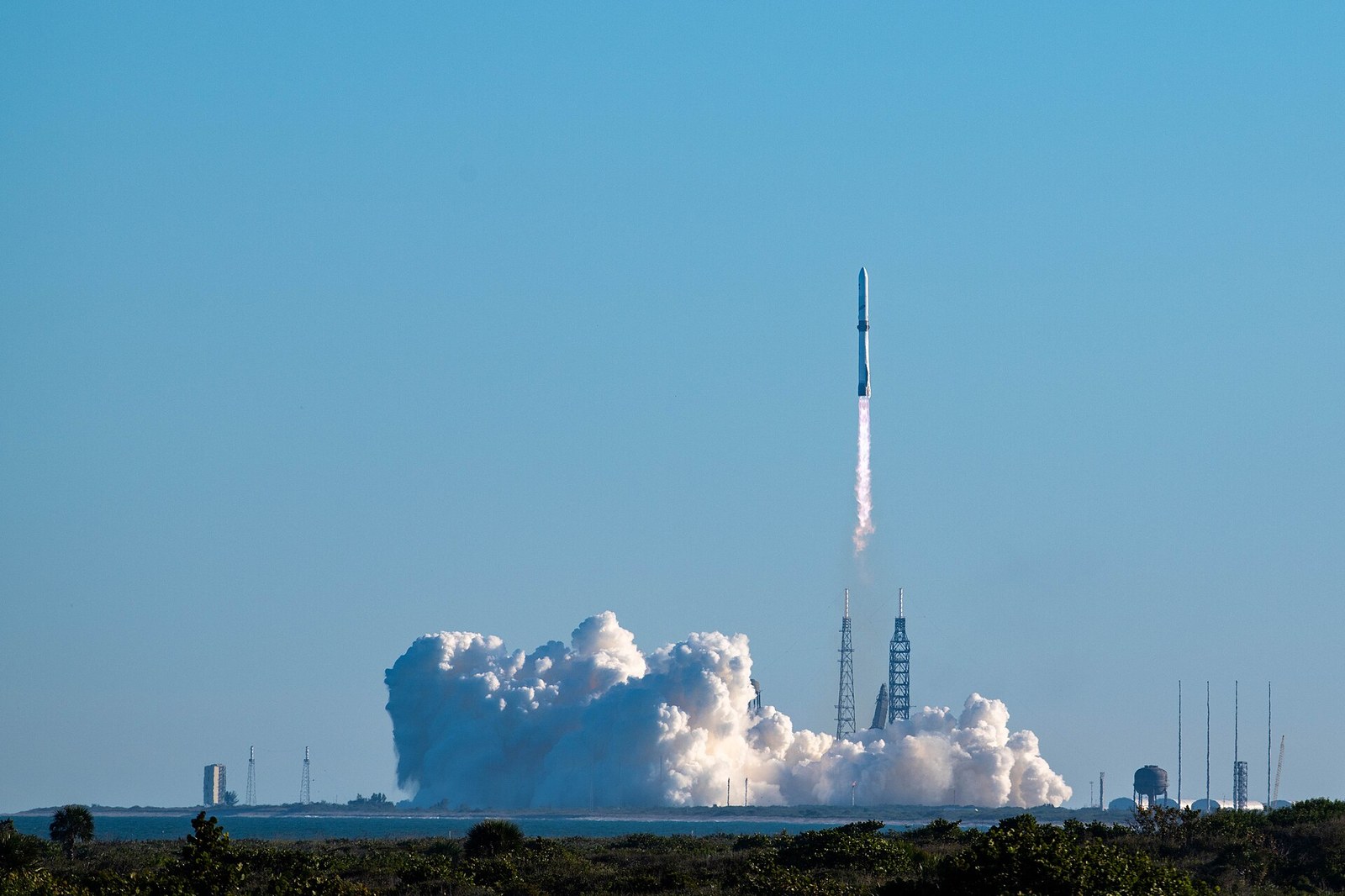
The arrangement matters because of how much of America’s space infrastructure now runs through one private company. SpaceX launches most of the Pentagon’s national-security payloads aboard its Falcon and Starship rockets, and its Starlink constellation has become a backbone of military communications, most visibly in Ukraine, where the satellites have kept frontline units connected since 2022.
The company has also built a classified satellite program, Starshield, on a separate track from its commercial internet business, deepening the overlap between SpaceX and the government. Access to space-tracking data fits squarely into that relationship. Analysts said it effectively treats SpaceX as an extension of the national-security apparatus rather than a contractor on the outside.
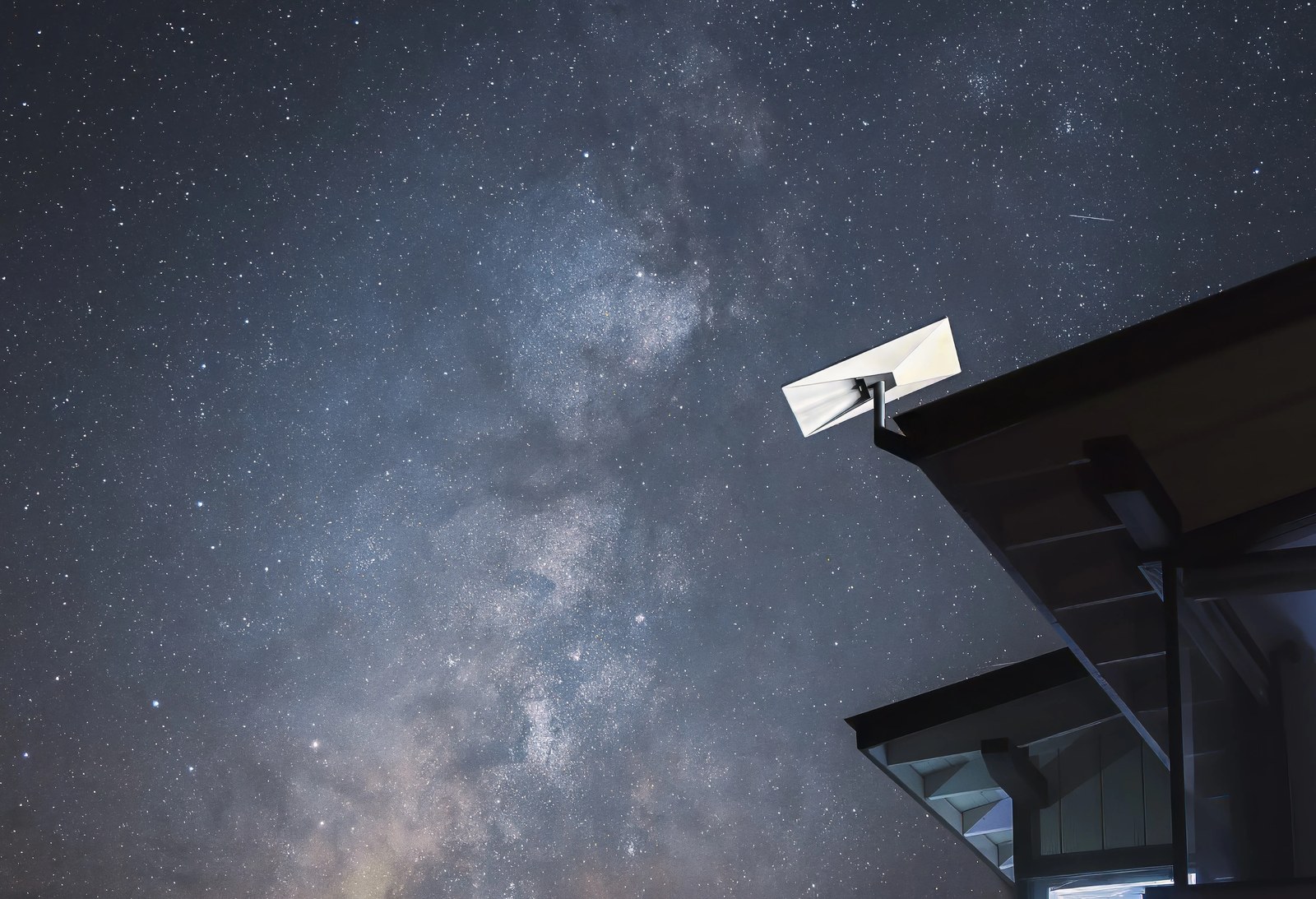
The same day the Pentagon channel was reported, an event in Europe showed the risks that now attach to that role. Poland’s government said a fire at a Starlink ground station in the center of the country was a deliberate act of sabotage, and a Danish intelligence assessment used the incident to warn that the threat from Russia was rising.
The Polish station sits at an Exatel facility used by several internet providers, and Poland’s digital-affairs minister said the fire had been set intentionally. Polish officials have accused Russia of sabotage repeatedly since the full-scale invasion of Ukraine in 2022, pointing to a campaign of arson, railway disruption and cyberattacks against NATO and European Union member states along the alliance’s eastern flank.
The two stories are different chapters of the same development. SpaceX has become essential to Western security in a way that would have been unthinkable a decade ago, and that status now shows up in both directions: the U.S. government is sharing its most sensitive orbital data with the company, while ground stations carrying its signals have become targets.
For the Pentagon, the benefit is speed. A private company that can see where every object in orbit is can maneuver its own satellites faster than one that has to request the information through a chain of command. For SpaceX, the data is a competitive edge, giving its constellation operators a picture of the orbital environment that few private rivals can match.
The arrangement also raises questions about how the military draws the line between public and private in space. What SpaceX can do with the data, who else may see it, and how the arrangement is overseen were not laid out in the initial reports, and people familiar with the matter said the terms are closely held.
The trust has been years in the making. Starlink proved itself in Ukraine when the country’s own networks failed, and SpaceX has since won contracts across the services for launch and communications. The Pentagon’s willingness to share its tracking data is a logical next step in a relationship that has moved from vendor to partner.
Analysts said the two events are best read together:
The Pentagon has been moving for years to fold commercial systems into its own operations, a shift accelerated by the war in Ukraine. SpaceX has been the chief beneficiary of that policy, and the tracking-data arrangement is the clearest sign yet that the line between its fleet and the military’s own has been allowed to fade. What once would have been treated as a company serving a customer is now closer to a company operating inside the enterprise. the more the West depends on SpaceX, the more the company is both trusted with state secrets and exposed to state attack. The Pentagon’s decision to hand over its tracking data is the trust. The fire in Poland is the exposure.
For now, the arrangements move forward without a public framework. SpaceX continues to launch, to track and to expand, and the ground stations that feed its network keep operating across Europe. The company has spent two decades arguing that its interests and the government’s have converged. The events of Sept. 24 suggest the convergence is now complete enough that the two can no longer be told apart.